



Is Blue Passion Flower Toxic?Passiflora caerulea

Toxic to Pets & Humans
  • HumansModerate
  • CatsSevere
  • DogsSevere
Toxic compound
cyanogenic glycosides
Toxic parts
leaves & stems
Contact risk
no contact risk listed
Passiflora caerulea Toxicity

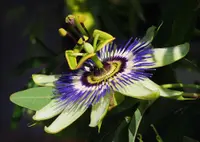
Blue passionflower (Passiflora caerulea) is toxic to humans, cats, and dogs. Its leaves and stems contain cyanogenic glycosides. Poisoning is a concern when these parts are chewed or swallowed; skin contact is not associated with dermatitis.

GroupToxicityShort answer
Humans
Toxic
Toxic

Eating leaves or stems can cause poisoning. Ordinary handling is not associated with dermatitis.

Cats
Toxic
Toxic

Chewing leaves or stems can expose cats to cyanogenic glycosides and cause poisoning.

Dogs
Toxic
Toxic

Swallowing leaves or pieces of stem can cause poisoning in dogs, rather than simply irritating the mouth.

Blue passion flower (Passiflora caerulea) contains cyanogenic glycosides, compounds that can release hydrogen cyanide when plant tissue breaks down. Cyanide interferes with cellular respiration, preventing cells from using oxygen effectively even when oxygen is available.

Exposure occurs when people or pets chew or swallow toxic plant material, including pieces left after pruning. Tissue damage brings these compounds into contact with plant enzymes that help release cyanide.

Plant partContains toxinDetails
Leaves
Contains toxin: Yes
Yes

Leaves contain cyanogenic glycosides. Chewing or swallowing them provides a route of exposure for people and pets.

Stems
Contains toxin: Yes
Yes

Stems contain cyanogenic glycosides and are a potential source of exposure, including when discarded as pruning debris.

As blue passion flower climbs and spreads, careful trellis placement and tidy pruning help keep leaves and stems away from children and pets.

  1. Choose a Restricted Growing Site

    Place this climbing vine’s trellis away from children’s play areas and pet enclosures, where leaves and stems could grow within easy reach.

  2. Redirect Escaping Stems

    Check tendril-bearing stems as they extend beyond their support. Train them back onto the trellis or prune growth reaching paths and neighboring fences.

  3. Contain Cuttings During Pruning

    Put leafy stems directly into a collection bag or container while pruning. Keep collected cuttings inaccessible to children and pets until disposal.

  4. Collect Fallen Leaves

    Inspect the ground beneath the vine and remove fallen leaves and broken stems, especially where pets explore or children play.

Identify Unfamiliar Plants, Understand Your Household’s Risks

Let Botan App help identify plants from photos and check available toxicity information for humans and pets.

A child and a cat next to a houseplant

FAQ

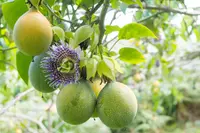
Yes. The pulp of fully ripe fruit is edible for people, but this does not make the rest of the plant edible. Leaves and stems contain cyanogenic glycosides and should not be eaten.

More Plant Toxicity Guides

Use Photo ID on a Nursery Find

Get an unfamiliar plant’s name from a photo in Botan App.

Botan app checking whether a plant is toxic
12 Best Cold-Hardy Vegetables for Cold Weather

7 min read · 13 Oct 2026

12 Best Cold-Hardy Vegetables for Cold Weather

Cold-hardy vegetables can keep a garden productive through chilly fall, winter, and early spring weather. This guide covers 12 reliable crops, their frost tolerance, and practical growing tips for better cold-season harvests.

Plant Recommendations
12 Best Cold-Hardy Vegetables for Cold Weather
20 Funny Plant Names That Make You Laugh

8 min read · 16 Oct 2026

20 Funny Plant Names That Make You Laugh

Some plants carry names that sound like jokes. This guide explains the origins of 20 funny plant names. You will also see which of these plants you can grow at home.

Plant Recommendations
20 Funny Plant Names That Make You Laugh
How To Revive a Dying Plant: 6 Steps To Bring A Plant Back To Life

6 min read · 1 Sept 2026

How To Revive a Dying Plant: 6 Steps To Bring A Plant Back To Life

Drooping leaves and brown tips don't always mean the end, and a weakened plant can often recover with a little help. These six simple steps will help you revive a dying plant and restore its health.

Plant Care
How To Revive a Dying Plant: 6 Steps To Bring A Plant Back To Life