Is Maypop Toxic?Passiflora incarnata

Toxic to Pets & Humans
  • HumansModerate
  • CatsSevere
  • DogsSevere
Toxic compound
cyanogenic glycosides
Toxic parts
leaves & stems
Contact risk
no contact risk listed
Passiflora incarnata Toxicity

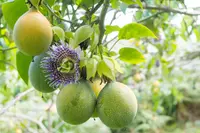
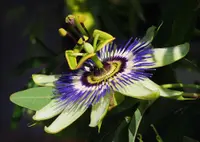
Purple passionflower (Passiflora incarnata) is toxic to humans, cats, and dogs. Its leaves and stems contain cyanogenic glycosides. Poisoning is a concern when these parts are chewed or swallowed, rather than through ordinary handling.

GroupToxicityShort answer
Humans
Toxic
Toxic

Eating the leaves or stems can cause poisoning; touching the plant is not associated with dermatitis.

Cats
Toxic
Toxic

Chewing leaves or stems can expose cats to toxic compounds and cause poisoning.

Dogs
Toxic
Toxic

Swallowing leaves or pieces of stem can cause poisoning in dogs; the concern is eating plant material, not skin contact.

Maypop (Passiflora incarnata) contains cyanogenic glycosides, compounds that can release hydrogen cyanide when plant tissue is broken down. Cyanide interferes with cells' ability to use oxygen, disrupting essential energy production.

Exposure occurs when people or pets chew or swallow toxic plant material. Both attached growth and discarded pruning material can provide access to the affected tissues, so clippings should be kept away from children and pets.

Plant partContains toxinDetails
Leaves
Contains toxin: Yes
Yes

Leaves contain cyanogenic glycosides. Chewing or swallowing leaf tissue exposes people and pets to these compounds.

Stems
Contains toxin: Yes
Yes

Stems contain cyanogenic glycosides. Chewed stems and swallowed stem pieces are potential sources of exposure for people and pets.

Reported human effects are mainly documented after taking passionflower preparations. These reports do not establish a predictable symptom pattern after chewing leaves or stems.

AreaSymptoms
Nervous system

Drowsiness, dizziness, and confusion after taking passionflower preparations.

Maypop’s climbing stems and spreading shoots need regular attention to keep leafy growth and pruning debris away from shared spaces.

  1. Train Stems onto Dedicated Supports

    Guide maypop’s tendril-bearing stems onto a dedicated trellis away from walkways and pet enclosures. Prune trailing growth before leaves become accessible through fencing.

  2. Remove Shoots Beyond the Bed

    Maypop spreads through underground runners. Check beyond the planting bed and remove emerging shoots to keep leafy growth out of lawns and pet areas.

  3. Collect Cuttings as You Prune

    Place clipped leaves and stems directly into a garden waste container. Collect scattered pieces before allowing children or pets back into the pruning area.

Unsure of Your Plant’s ID or Risks?

Check available toxicity information for humans and pets in Botan App, which also identifies plants from photos.

A child and a cat next to a houseplant

FAQ

Edibility differs between plant parts. The ripe fruit has edible pulp, while leaves and stems contain toxic cyanogenic glycosides. Eating the ripe pulp is different from eating the foliage; one part’s edibility does not extend to the whole plant.

More Plant Toxicity Guides

Identify Trailside Plants with a Snapshot

Discover an unfamiliar plant’s name from a photo with Botan App.

Botan app checking whether a plant is toxic
Plant Pot Sizes: How to Choose the Right Plant Container

7 min read · 20 Aug 2026

Plant Pot Sizes: How to Choose the Right Plant Container

Plant pot sizes can be confusing because the number on the label only tells you part of the required information. A container may look spacious but actually be too shallow. So, how to choose pot size for plant species?

Beginner Guides

Plant Pot Sizes: How to Choose the Right Plant Container
Banana Peel Water for Plants: 5 Things to Know Before Trying It

5 min read · 9 Jul 2026

Banana Peel Water for Plants: 5 Things to Know Before Trying It

Banana water can provide potassium and some nutrients that may support plant growth, but it is not a universal fix. Use it carefully and only when the plant actually shows signs of nutrient deficiency rather than as a routine treatment.

Plant Care
Banana Peel Water for Plants: 5 Things to Know Before Trying It
13 Best Front Yard Trees for Every Home and Yard

12 min read · 7 Aug 2026

13 Best Front Yard Trees for Every Home and Yard

A front yard tree can stay for decades. Therefore, choosing one deserves serious consideration. Here are 13 trees that have proven themselves, sorted by their purpose. You'll also find five species to avoid and basic planting information.

Plant Recommendations
13 Best Front Yard Trees for Every Home and Yard