Is Cannabis Toxic?Cannabis sativa

Toxic to Pets & Humans
  • Humans
  • CatsSevere
  • DogsSevere
Toxic compound
delta-9-THC
Toxic parts
flowers
Cannabis sativa Toxicity

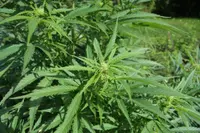
Cannabis (Cannabis sativa) is toxic to humans, cats, and dogs. Its flowers contain delta-9-THC, the main compound responsible for poisoning. Eating the flowers is a poisoning risk, and exposure can have serious consequences for cats and dogs.

GroupToxicityShort answer
Humans

Eating flowers can cause drowsiness, with effects varying according to their delta-9-THC content and the amount swallowed.

Cats
Toxic
Toxic

Chewing or swallowing flowers can lead to coma, and poisoning can be fatal.

Dogs
Toxic
Toxic

Eating flowers can cause seizures, though not every exposure produces the same effects.

Horses

Eating flowers can affect coordination, making a horse unsteady on its feet.

Cannabis sativa contains delta-9-THC, a psychoactive compound that binds to cannabinoid receptors, especially CB1 receptors in the brain. This changes nerve signaling and can disrupt coordination, alertness, and the regulation of body functions.

Exposure occurs when people or pets eat plant material or swallow cannabis-containing products. Processing can transfer THC into oils and other preparations, so exposure is not limited to fresh cannabis.

Plant partContains toxinDetails
Flowers
Contains toxin: Yes
Yes

Flowers contain delta-9-THC in resin produced by glandular trichomes, small structures on the plant surface that produce and store cannabinoids.

After cannabis exposure, changes in behavior may be more noticeable than physical discomfort. The presentation varies with the amount swallowed and whether a person or pet is affected.

AreaSymptoms
Nervous system

Drowsiness, confusion, anxiety, impaired coordination, or altered perception.

Eyes

Red eyes or blurred vision.

Heart

Rapid heartbeat or a pounding heartbeat.

Digestive system

Nausea, vomiting, or abdominal discomfort.

Cats & dogs

Unsteady walking, marked sleepiness, urinary leakage, tremors, seizures, or coma.

Harvesting and drying cannabis flowers can leave loose buds and stored material within reach of children, cats, or dogs.

  1. Restrict Access to Flowering Plants

    Keep flowering Cannabis sativa plants in a secured growing area. Do not rely on height alone to keep flower clusters away from pets.

  2. Trim Flowers Over a Tray

    Work over a tray when trimming flower clusters. Collect loose buds and flower fragments immediately, then place discarded material in a closed, inaccessible waste container.

  3. Secure the Drying Area

    Dry harvested flowers in a room or enclosure that children and pets cannot enter. Keep hanging branches and drying racks away from shared spaces.

  4. Lock Up Stored Flowers

    Place dried flowers in clearly labeled, closed containers inside a locked cabinet. Keep them separate from food, treats, and other items intended for eating.

Check Your Unfamiliar Plant for Toxicity

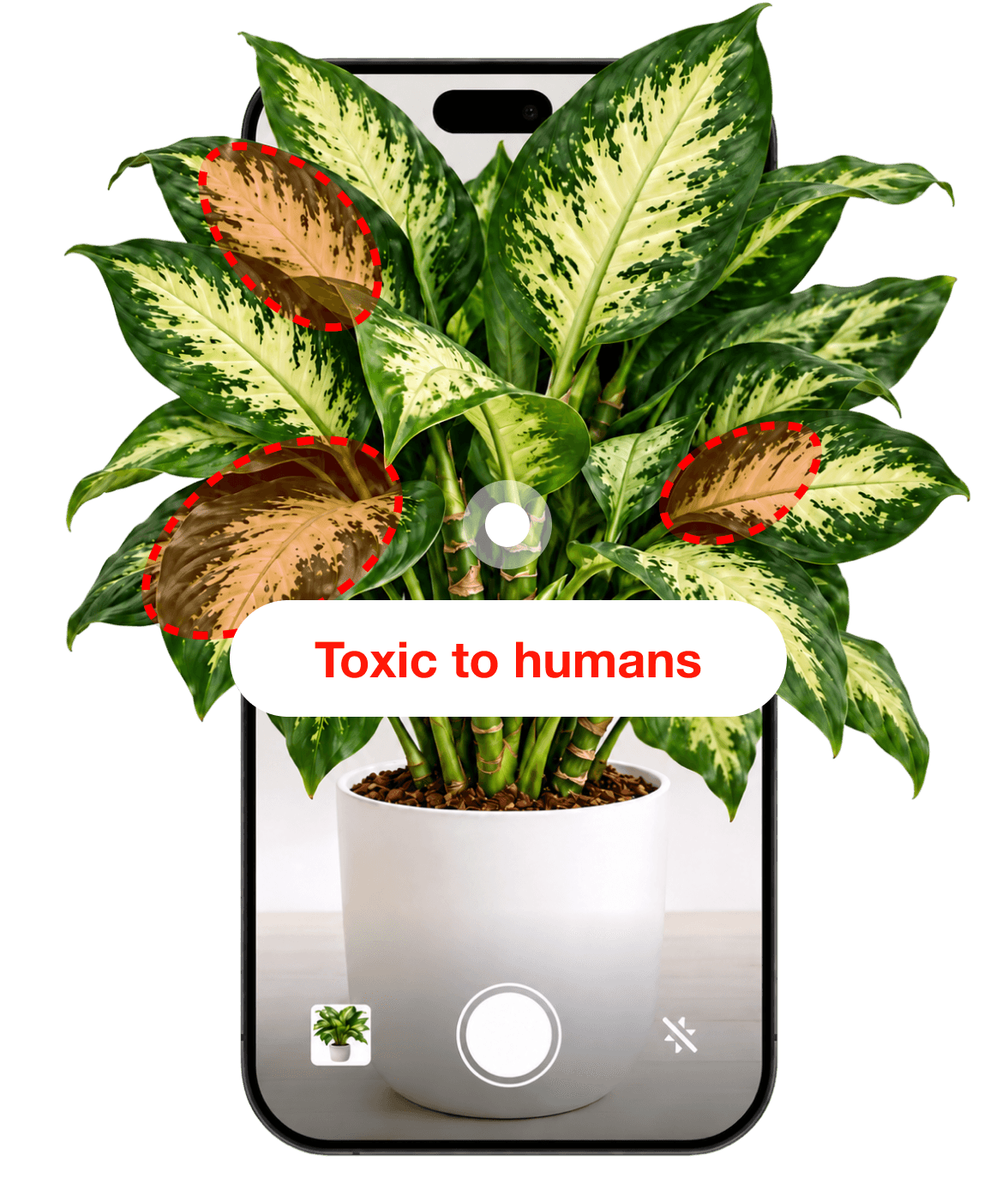
Photograph a plant in Botan App to identify it and review available toxicity information for humans and pets.

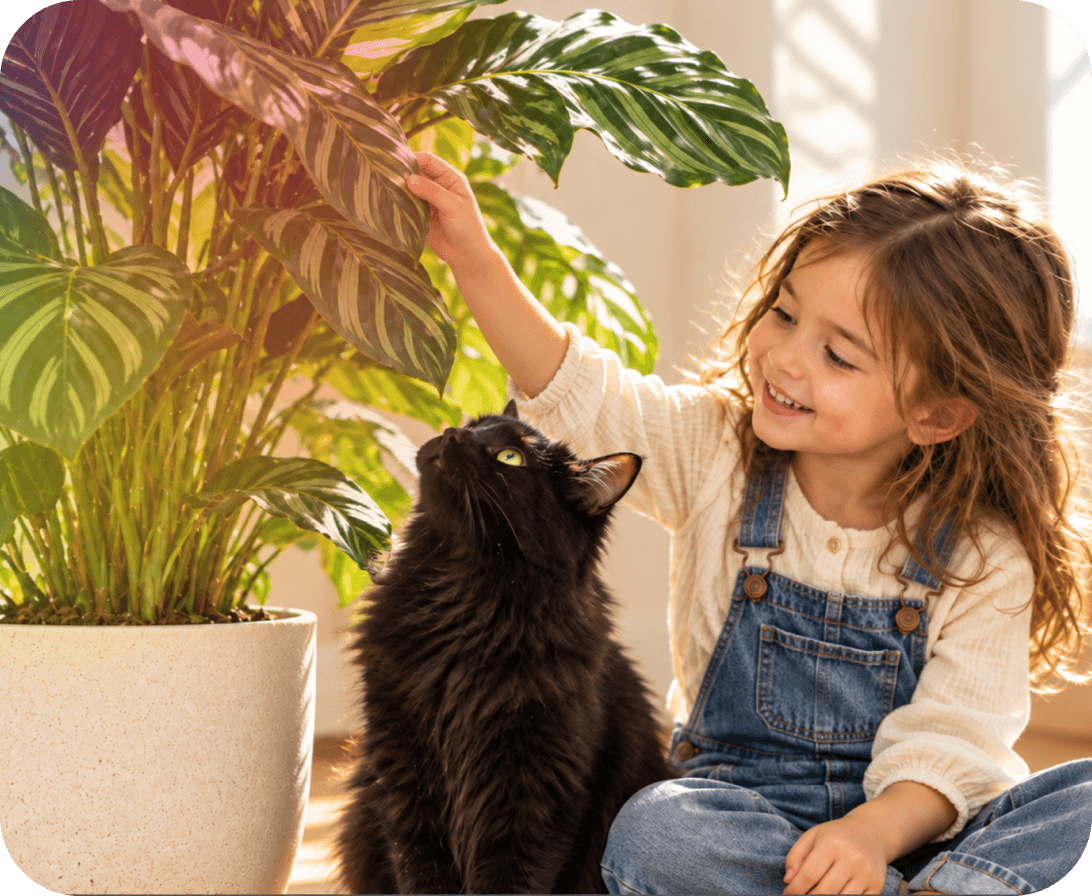
A child and a cat next to a houseplant

FAQ

THC content varies widely among varieties, so their poisoning risk is not equal. Hemp varieties generally contain much less delta-9-THC than high-THC varieties, but a low-THC label does not establish that flowers are non-toxic to pets.

More Plant Toxicity Guides

Upload a Mystery Plant Photo for ID

Learn an unfamiliar plant’s name from a photo with Botan App.

Botan app checking whether a plant is toxic
How to Use a Moisture Meter for Plants

5 min read · 4 Sept 2026

How to Use a Moisture Meter for Plants

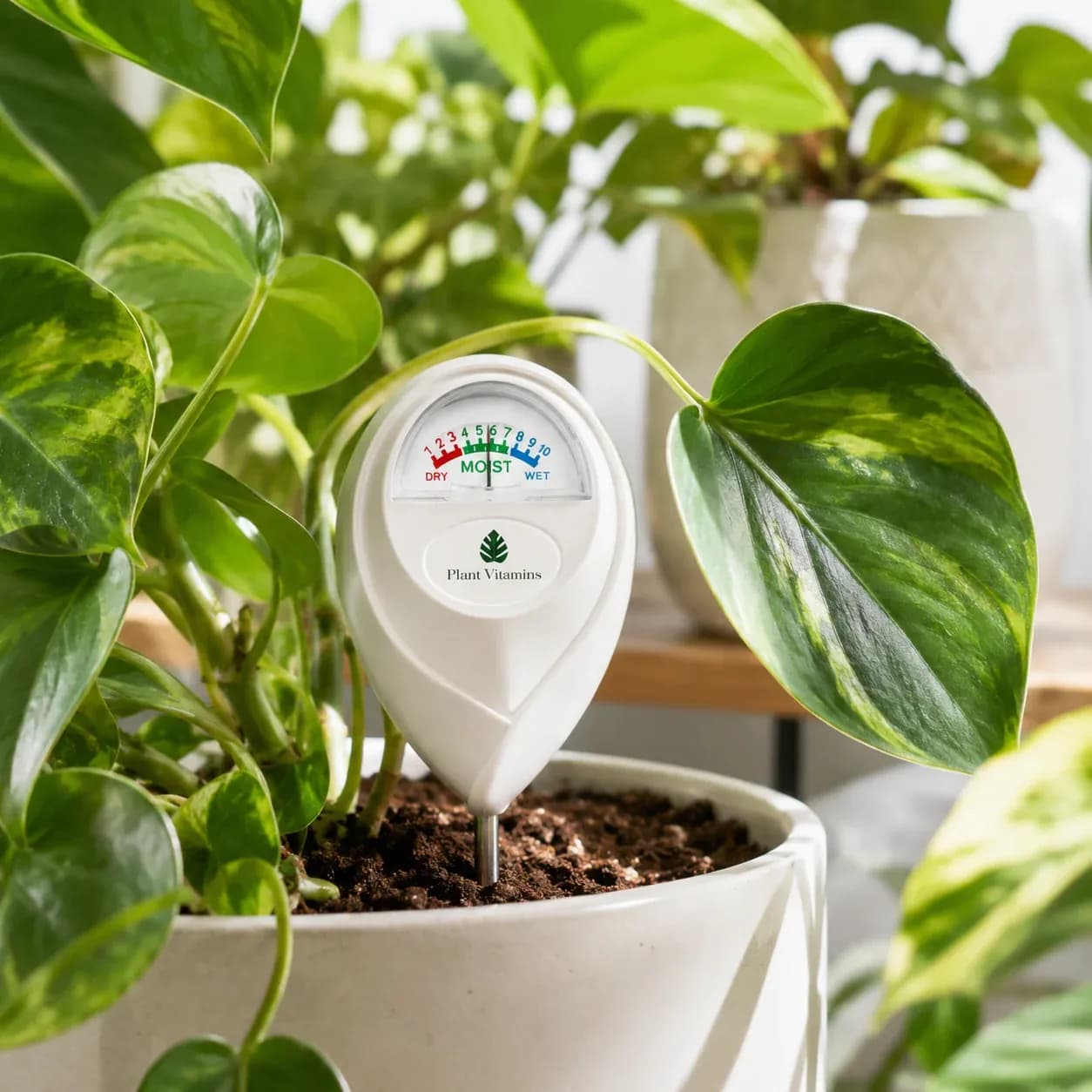
Watering by feel kills plenty of houseplants. A moisture meter checks the soil for you, and takes the guesswork out of it. This guide will show you how to use it correctly, from the first touch to the final reading.

Beginner Guides
How to Use a Moisture Meter for Plants
How to Plant Pumpkin Seeds for a Fall Harvest and Grow Your Own Patch

7 min read · 4 Nov 2026

How to Plant Pumpkin Seeds for a Fall Harvest and Grow Your Own Patch

A backyard pumpkin patch starts months before the first leaves turn: the harvest that ends up on the porch in October is decided by what a gardener does in late spring.

Beginner Guides
How to Plant Pumpkin Seeds for a Fall Harvest and Grow Your Own Patch
Top 5 Best Indoor Plants for Air Quality

5 min read · 11 Sept 2026

Top 5 Best Indoor Plants for Air Quality

Indoor plants can make a room feel fresher thanks to their air-purifying qualities. Here are 5 of the most suitable choices for your routine and living space.

Plant Recommendations
Top 5 Best Indoor Plants for Air Quality