

Iris (Iris 'Immortality') Watering Guide

This page explains when, how often, and how much to water Iris 'Immortality' for basic, reliable care.

Water Requirements

Moderate Water

Iris 'Immortality' Watering

This reblooming bearded iris thrives where soil alternates between seasonal rain and drier periods. Iris 'Immortality' prefers moderate, not constant, moisture, with the surface drying slightly between waterings. In garden beds, watering Iris centers on supporting new growth and bloom without keeping the rhizomes in soggy conditions.

Container-grown plants usually need a bit more frequent attention than those in the ground. These guidelines give a simple framework before more specific how to water Iris details later.

Water when the top 1–2 inches (3–5 cm) of soil are completely dry. For established Iris ‘Immortality’ in the ground, this typically means deep watering every 7–10 days during active growth, less in cool, rainy weather. Hot, dry, or very windy conditions may shorten the interval.

Water Iris ‘Immortality’ when the top 1-2 inches (3-5 cm) of soil feel dry, using slow, even soaking.

  • Pour water at the base of the fans, keeping leaves and the rhizome top as dry as reasonably possible.
  • Water slowly around the clump so moisture spreads evenly through the planting area without forming surface puddles.
  • Moisten soil until it is evenly damp through the root zone, then stop before water stands for more than a brief moment.
  • Allow containers or beds to drain freely, and promptly empty any saucers or cachepots holding leftover water beneath pots.

Incorrect moisture around Iris 'Immortality' often leads to stress and preventable growth problems.

Yellowing Lower Leaves:

Older fans yellow while soil stays wet, indicating prolonged saturation and poor drainage conditions.

Mushy Rhizomes:

Soft, foul-smelling rhizomes signal chronic overwatering and compacted, poorly aerated planting sites.

Leaf Tip Browning:

Brown, crispy tips develop when soil alternates between deep drought and heavy, infrequent soaking.

Stunted Flower Stalks:

Short, weak stems appear after springtime waterlogging that limits oxygen and root development.

Keep soil slightly moist yet free-draining, avoiding both standing water and prolonged bone-dry periods.

Unsuitable watering habits can stress Iris 'Immortality', weakening its rhizomes and bloom performance and shortening the lifespan of each planting clump.

  • Watering by calendar: Sticking to a rigid schedule ignores weather and soil changes; instead, water only when the top few inches feel dry and dusty.
  • Soil that stays soggy: Using heavy, compact soil traps moisture around rhizomes; choose loose, gritty soil that drains quickly after deep watering.
  • Letting saucers fill: Leaving pots standing in collected runoff keeps rhizomes wet; empty saucers within a few minutes so excess water escapes.

For Iris 'Immortality', focus on deep, infrequent watering into fast-draining soil, guided by soil dryness and recent weather, not habit.

  • Spring: Keep soil lightly moist as new fans and flower stalks develop, watering when the top inch dries in low-rain periods.
  • Summer: Once established, water deeply but infrequently, increasing slightly during extended heat or drought to prevent rhizomes from shriveling.
  • Fall: Reduce watering as growth slows, letting soil dry more between waterings while avoiding prolonged soggy conditions around rhizomes.
  • Winter: In mild climates, rely mostly on natural precipitation and water only during unusually dry spells when the ground is not frozen.

Track Watering. Catch Problems Early

Use Botan for a clear watering guide and simple care steps for Iris ‘Immortality’. The app also reviews plant photos to help notice leaf spots, wilting, and other early issues.

Botan plant care app — identify plants on mobile

FAQ

Water immediately after transplanting to settle soil around the rhizomes, then keep the top 1–2 inches slightly moist for about 1–2 weeks. After new growth appears, return to deeper, less frequent watering.

More Plant Watering Guides

Is Your Watering Routine Hurting Your Iris?

Botan helps check if your plant’s watering level stays on track.

Watering a plant with a copper watering can
Is Sugar Water Good for Plants?

4 min read · 14 Sept 2026

Is Sugar Water Good for Plants?

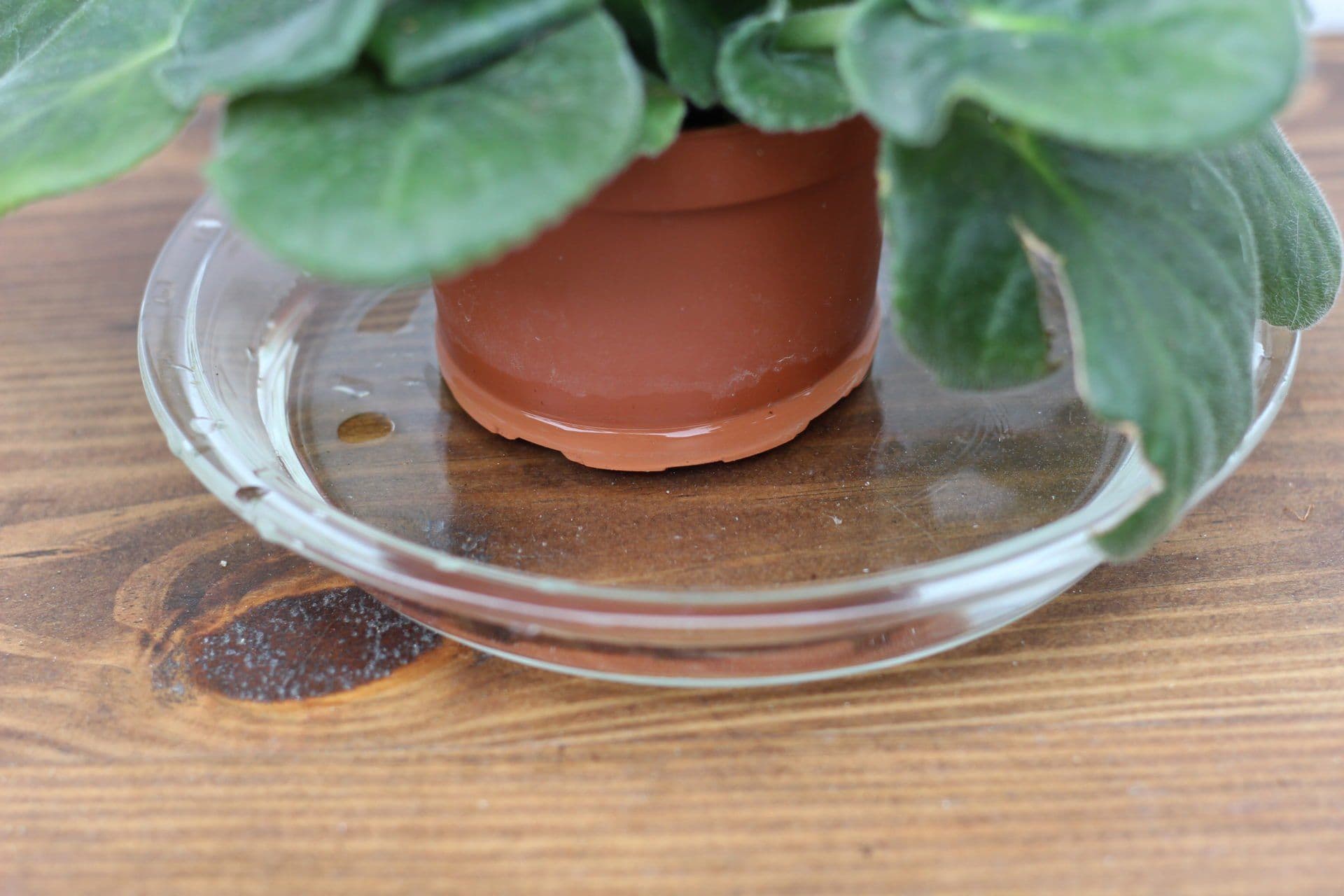
Sugar water may sound like an easy boost, but most rooted plants do not need extra sucrose. This guide explains how green tissues produce carbohydrates, when a sweetened solution can be useful, and why too much can cause problems.

Plant Care
Is Sugar Water Good for Plants?
How to Bottom Water Plants: Complete Guide

6 min read · 13 Jul 2026

How to Bottom Water Plants: Complete Guide

Bottom watering helps soil absorb moisture evenly and keeps foliage dry, reducing the risk of missed dry spots or root problems. Place the pot in a tray of water for a short time, then let it drain well.

Plant Care
How to Bottom Water Plants: Complete Guide
What Do Plants Need to Grow – 5 Things Every Greenery Can't Live Without

8 min read · 31 Jul 2026

What Do Plants Need to Grow – 5 Things Every Greenery Can't Live Without

To keep plants healthy and thriving, provide the right balance of light, humidity, nutrients, airflow, and quality soil. This guide covers the essentials of year-round plant care.

Beginner Guides
What Do Plants Need to Grow – 5 Things Every Greenery Can't Live Without