prairie blazing star Care (Liatris pycnostachya)

Also known as: thick-spike blazing star, thick-spike gayfeather, cattail gay-feather, cattail blazing star
prairie blazing star

About prairie blazing star

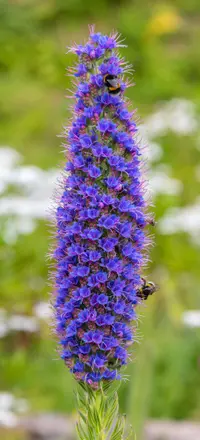
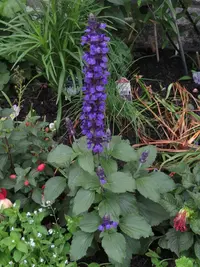
Prairie blazing star, Liatris pycnostachya, is a clump-forming perennial wildflower native to tallgrass prairies and open meadows in central and eastern North America. It belongs to the aster family and is valued for its wildlife benefits. The plant produces tall, upright spikes densely packed with purple flower heads above narrow, grasslike foliage, creating a strong vertical accent in sunny borders or meadow plantings. Its deep root system makes it long-lived and drought-tolerant once established. This species thrives in full sun, with moderate to dry moisture and well-drained, often lean soils. These traits make it relatively low-maintenance, and understanding how to care for prairie blazing star mostly involves matching its native prairie conditions.

Main Plant Requirements

Care Difficulty

Easy Care

Light Preference

Full Sun

Water Requirements

Low Water

Temperature Preference

Cold Hardy

Hardiness Zone

3–9

Soil Texture

Sandy, Loamy, Clay

Soil pH

Acidic (5.5–6.5), Slightly acidic (6.5–7.0)

Soil Drainage

Well-drained

Fertilization

Minimal (feed rarely)

Get Personalized Care Plan

Scan your plant to receive care tips personalized for your specific plant

Available on iOS and Android

How to Care for the prairie blazing star

This sun-loving prairie perennial needs strong light to flower and stay upright.

  • Provide full sun with at least 6–8 hours of direct light daily; 8–10 hours is ideal for tall, dense flower spikes.
  • Tolerates light afternoon shade in hot regions, but too much shade causes floppy stems, fewer blooms, and gaps in prairie blazing star clumps.
  • In early spring, ensure emerging shoots are not shaded by mulch or tall plants, and avoid dense tree canopy that blocks direct summer sun.

This species prefers dry to moderately moist soil and is highly drought tolerant once established.

  • Let the top 5–7 cm of soil dry before watering; the surface should feel dry and the soil slightly crumbly, not sticky or glossy.
  • During the first growing season, water deeply but infrequently, then reduce watering to only during extended dry spells or visible wilt in hot weather.
  • Ensure sharp drainage to prevent rot; signs of overwatering include yellowing, soft stems, and crown collapse, while prolonged wilting with crisp leaves indicates underwatering.

This hardy prairie perennial thrives in a wide outdoor temperature range when planted in the ground.

  • Optimal growing temperatures are 65–85°F (18–29°C), with strong vegetative growth and flowering in warm summer conditions.
  • Cold-hardy to about -20°F (-29°C) in the ground, it survives winter dormancy if soil drains well and crowns are not waterlogged.
  • Tolerates summer heat up to around 95°F (35°C) if roots are established, but prolonged extreme heat with no rain may cause temporary leaf scorch and reduced flowering.

This species is adapted to open prairies and does not have special humidity requirements in typical outdoor conditions.

This prairie perennial prefers lean, well-drained soil that does not stay wet after rain or irrigation.

  • Use sandy or sandy-loam soil with a gritty structure to keep the root zone airy and fast-draining.
  • Aim for slightly acidic to neutral pH around 6.0–7.0, avoiding strongly acidic or alkaline conditions that can limit nutrient uptake.
  • Mix coarse sand or fine gravel into heavier ground and add a modest amount of compost to improve drainage without making the soil rich.
  • Avoid compacted clay, waterlogged spots, or thick organic mulches that hold moisture around the crown of Liatris pycnostachya.

This species can be grown in containers if the pot is deep and drains rapidly.

  • Select a tall, narrow container to accommodate the long taproot and reduce excess moisture around the crown.
  • Use a very free-draining mix, such as cactus mix blended with coarse sand or fine gravel, to mimic dry prairie conditions.
  • Choose a heavier or weighted pot to prevent tipping when the tall flower spikes become top-heavy in wind.

This prairie native needs only modest feeding, as prairie blazing star is adapted to low-fertility soils.

  • Use a light topdressing of compost or a balanced slow-release fertilizer (around 10-10-10) in early spring.
  • Apply once per year during active growth; extra feeding is usually unnecessary in garden soil.
  • Dilute liquid fertilizer to 1/2 strength if used, and water well afterward to avoid root burn.
  • Avoid fertilizing in fall and winter dormancy, which can trigger weak, out-of-season growth.

Liatris pycnostachya needs only simple pruning to stay tidy and support flowering.

  • In late fall or very early spring, cut back spent flower spikes and dead stems to just above ground level.
  • Remove damaged or diseased foliage promptly with clean, sharp pruners to limit disease spread.
  • Deadheading fading blooms in mid-summer can extend flowering but leave some spikes if seed is desired.
  • Avoid frequent in-season cutting of healthy foliage, as leaves support strong corm and root development.

This deep-rooted prairie perennial is usually grown in the ground and resents frequent disturbance.

  • Transplant in early spring or early fall when growth is minimal, choosing a sunny, well-drained site.
  • Look for signs such as crowded clumps, weak flowering, or stunted stems as indicators a move may help.
  • Lift clumps carefully with a fork, keeping the vertical corms and roots intact to limit stress.
  • Replant at the same depth, water thoroughly once, then keep soil just slightly moist until established.

Liatris pycnostachya is commonly propagated by seed and by careful division of mature clumps.

  • Sow fresh seed outdoors in fall or in pots that experience natural winter chilling for better germination.
  • For indoor starts, provide 6–8 weeks of cold stratification at about 35–40°F, then move to warmth and light.
  • Divide established clumps in early spring, ensuring each division has several corms and healthy roots.
  • Replant divisions promptly in well-drained soil, water once to settle, and avoid waterlogging during establishment.

This species is cold hardy in much of the US and usually needs minimal winter care.

  • Liatris pycnostachya tolerates freezing temperatures once established, down to typical continental winters.
  • After foliage dies back, optionally leave stems standing for winter interest and wildlife, then cut in late winter.
  • In colder zones or exposed sites, add a 5–8 cm layer of mulch over the root zone after soil freezes.
  • Container-grown plants benefit from moving pots to a sheltered, unheated but frost-moderated area.

Care Tips

Deep fall cleanup

After stems brown and dry in late fall, cut them back to 5–10 cm and remove old foliage to reduce overwintering fungal spores and insect eggs while keeping the crown visible for spring growth.

Targeted staking method

In windy or exposed sites, insert discreet ring or grid supports around clumps in late spring before stems reach 30 cm, which keeps the tall flower spikes upright without needing to individually tie each stem.

Weed-suppressing mulch

Apply a 3–5 cm layer of coarse, uncolored mulch or clean gravel around but not over the crowns to suppress aggressive weeds and keep the root zone cool without trapping excess moisture.

Sequential division strategy

Every 3–4 years, lift and divide only a portion of the clump in early spring, replanting divisions at the same depth to maintain flowering performance without leaving the planting bare.

Seed head management

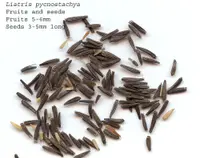
If self-seeding is not desired, remove seed heads just as they turn brown, but leave a few intact at the back of the planting if you want natural reseeding and winter food for birds while still controlling where new plants appear when growing prairie blazing star.

Common Pests and Diseases

Aster leafhopper

This pest transmits aster yellows, a serious disease of prairie blazing star, while feeding on plant sap. Symptoms include yellowing, distorted growth, and weak flower spikes.

Solution

Monitor for small, wedge-shaped insects that jump when disturbed and use yellow sticky cards to track activity. Reduce weed hosts nearby, remove and discard symptomatic plants, and if infestations are heavy during active growth, use an insecticidal soap or a labeled systemic insecticide according to regional guidelines to limit disease spread.

Aster yellows

This disease is caused by a phytoplasma (bacteria-like organism) spread by leafhoppers and leads to yellow, stunted, and malformed stems and inflorescences. Symptoms include witches’-broom growth and poor flowering.

Solution

Promptly remove and destroy affected plants, including roots, to reduce the disease reservoir, since there is no cure. Limit nearby weed hosts and manage leafhopper populations as part of broader Liatris pycnostachya plant care in garden settings.

Rust

This disease produces orange to brown powdery pustules on leaves and stems, which can cause early leaf drop and weakened plants in humid conditions. Symptoms include scattered spots that may merge into larger patches.

Solution

Improve air circulation by spacing plants properly and avoiding overhead irrigation whenever possible. At first signs, remove and discard heavily spotted foliage, clean up plant debris in fall, and use a labeled fungicide if rust pressure is consistently high in the area.

Powdery mildew

This disease appears as white, powdery growth on leaves and sometimes stems, leading to reduced vigor and less attractive foliage. Symptoms include dull, grayish leaves that may curl or yellow over time.

Solution

Provide full sun, good spacing, and avoid frequent light overhead watering to limit humidity on foliage. Prune out heavily affected leaves, clean up debris, and apply a sulfur or potassium bicarbonate fungicide if mildew recurs in the same planting bed.

Leaf spots

Symptoms include small brown, tan, or purplish spots on leaves that may enlarge and coalesce, especially in wet seasons. Severe cases can reduce photosynthesis and weaken plants over time.

Solution

Water at soil level to keep foliage as dry as possible and ensure good spacing and airflow in plantings. Remove and dispose of infected leaves, especially at season’s end, and if leaf spots are severe year after year, consider rotating to a different site and using a labeled preventive fungicide early in the season.

Interesting Facts

Tall prairie spikes

This species is one of the taller liatris, often forming flowering spikes 90–150 cm tall that stand above surrounding grasses in undisturbed tallgrass prairie.

Bottom-to-top blooming

Its magenta flower heads open from the bottom of the spike upward, a distinctive blooming pattern that provides a long nectar window for pollinators over several weeks.

Deep, fibrous rootstock

This plant develops a dense corm and fibrous root system that allows it to tolerate seasonal drought and occasional prairie fires typical of its native Midwestern range.

Botan icon

Did you know?

Liatris pycnostachya is considered an indicator species of high-quality tallgrass prairie remnants, so its presence in the wild often signals relatively intact, minimally disturbed native prairie habitat.

FAQs about prairie blazing star

Lack of blooms often comes from too much shade, recently divided or young plants, or overly rich, moist soil. This species generally flowers best in full sun, on lean, well-drained ground, after establishing for 2–3 years.

Grow Healthy Plants with Botan Care

Keep your plants happy and healthy with plant identification, disease detection, and easy care guidance.

Botan plant care app — identify plants on mobile

Explore More Plants