


Edge Containment
In warm regions this plant can spread aggressively, so install shallow plastic or metal edging 10–15 cm deep around beds or pond margins to keep stems from rooting beyond the desired area.

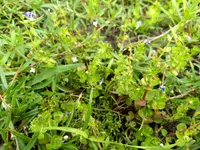
Savannah false pimpernel (Lindernia grandiflora) is a low, spreading aquatic or semi-aquatic perennial often used as a groundcover or edging plant near water. It forms dense mats of small, bright green leaves with delicate, pale lavender to white flowers.
In nature it occurs in wet meadows, ditches, pond margins, and other seasonally or permanently moist sites in the southeastern United States. Its preference for consistently damp conditions and mild climates makes it easy in boggy gardens or shallow water features but less suited to dry sites.
Those who want to care for savannah false pimpernel should provide steady moisture, good light, and organically rich, consistently damp soil for best growth and flowering.

Care Difficulty
Moderate Care

Light Preference
Partial Sun

Water Requirements
Aquatic

Temperature Preference
Tropical / Frost Sensitive

Hardiness Zone
9–11

Soil Texture
Loamy, Silty, Organic-rich

Soil pH
Acidic (5.5–6.5), Slightly acidic (6.5–7.0)

Soil Drainage
Waterlogged tolerant

Fertilization
Light (every 4–6 weeks)
Scan your plant to receive care tips personalized for your specific plant
Available on iOS and Android
Lindernia grandiflora grows best with bright but gentle light that mimics its natural wetland edges.
This species prefers consistently moist conditions and does not tolerate drought well.
This plant favors warm, mild conditions typical of frost-free or light-frost climates.
This species prefers consistently moist air but usually grows well at typical indoor humidity.
This plant thrives in consistently moist, organic-rich, fine-textured soil that never dries out completely.
This species is well suited to container growing, especially in shallow, wide pots or trays.
Lindernia grandiflora responds well to light, consistent nutrition during its active growing season.
Lindernia grandiflora benefits from light, periodic trimming to keep growth dense and flowering well.
This species is often grown in shallow containers or pond margins and needs transplanting only when crowded.
Lindernia grandiflora is commonly propagated to expand groundcover or fill aquatic planters.
This plant has limited frost tolerance, so some winter protection is important in colder regions.

Plant Health Check
Not sure what's wrong with your plant? Check your plant's health inside the app.
This species naturally grows in shallow water and along muddy shorelines, where its stems can creep and root at the nodes, allowing it to form low, mat-like colonies in periodically flooded areas.
Stems of this plant root very easily wherever they touch wet substrate, which lets it expand quickly across the edges of ponds, ditches, and slow-moving streams in its native southeastern US range.
The plant produces small, pale lavender to bluish flowers with a contrasting white throat and purple markings, which function as nectar guides that help orient visiting pollinators to the floral opening.
This mat-forming species can spread steadily by creeping stems in moist, open soil but is not usually considered aggressive. Regular edging and lifting excess runners control its size and keep it from overtaking nearby low plants.
Keep your plants happy and healthy with plant identification, disease detection, and easy care guidance.

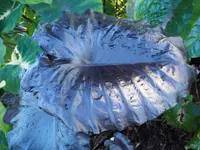
Elephant's Ear
Colocasia 'Electric Blue Gecko'
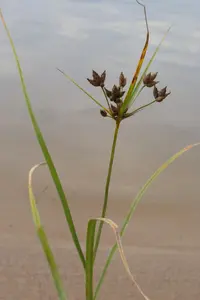
inland club-rush
Bolboschoenus laticarpus
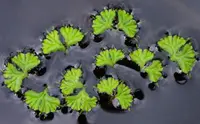
fringed heartwort
Ricciocarpos natans
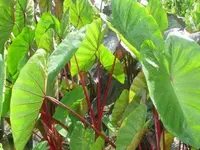
Elephant's Ear
Colocasia esculenta Royal Hawaiian Blue Hawaii
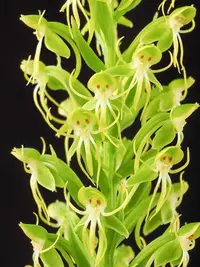
Waterspider bog orchid
Habenaria repens
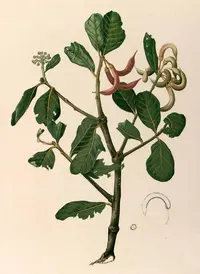
river mangrove
Aegiceras corniculatum
yellow necklacepod
Sophora tomentosa
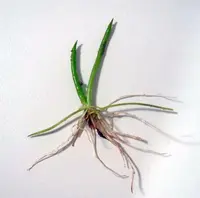
Shoreweed
Littorella uniflora