


horehound Identification (Marrubium vulgare)

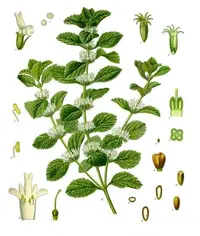
Recognize horehound by its opposite, round-to-oval leaves with a wrinkled surface and scalloped edges, carried on square stems. The plant forms a low, bushy clump, usually about 1 to 2 feet tall (30 to 60 cm).

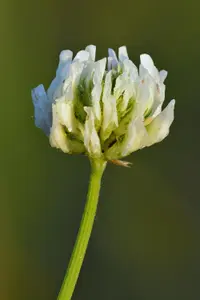
Its small white flowers sit in dense, ball-like clusters packed around the stem at the leaf nodes.

Marrubium vulgare Identification

Identify a Plant by Photo

Check your plant ID by uploading a clear photo to Botan.

Clear images work best. Avoid photos taken too close or too far away

  • 1 free identification
  • No sign-up
  • 30,000+ plants in database

Check the plant’s square stems, paired leaves, and tight flower clusters.

  • Leaves grow in opposite pairs, broadly oval to roundish, with a wrinkled surface and rounded teeth.
  • Leaf blades are usually 1-2 inches (2.5-5 cm) long and sit on short stalks.
  • Stems are upright, branching, and covered with dense white fuzz, giving a gray-green cast.
  • Small white, two-lipped flowers form crowded whorls around the stem at the leaf nodes.

A low, bushy clump with woolly stems and wrinkled opposite leaves is a strong visual match.

Marrubium vulgare shows clear structural changes from low leafy growth to clustered flowering stems.

  • Juvenile plant: Forms a low basal cluster of rounded, wrinkled leaves with scalloped edges; stems are short, so the plant stays compact and ground-hugging.
  • Young plant: Square stems lengthen and begin branching, lifting opposite leaves above the base; the outline changes from a rosette-like clump to a small upright mound.
  • Flowering stage: Horehound sends up erect, branched stems to about 1-2 feet (30-60 cm), with dense whorls of small white flowers packed at upper leaf nodes.
  • Fruiting stage: After flowering, the same node clusters become persistent, burr-like calyces holding nutlets; showy white corollas are gone, leaving a drier, rougher texture.

In spring, horehound sends up fresh gray-green, wrinkled leaves on square stems, giving patches a soft, slightly fuzzy look. From late spring into summer, small white flowers appear in tight whorls around the stems at the leaf nodes. Those ring-like flower clusters remain one of the clearest seasonal clues. In winter, dead upright stems may persist for a time after the foliage fades.

Several mint-family herbs can be mistaken for horehound at a quick glance.

catnip(Nepeta cataria)

Both have gray-green, softly hairy, opposite leaves and small pale flowers. Catnip usually has thinner, more triangular leaves with sharper teeth, while Marrubium vulgare has rounder, more wrinkled leaves. Catnip flowers are more tubular and appear in looser upper clusters.

white dead-nettle(Lamium album)

This also makes low clumps with opposite, hairy leaves and white flowers. White dead-nettle has greener, heart-shaped leaves with a pointed tip, not the felted, crinkled leaf surface of horehound. Its flowers are larger and more conspicuously hooded.

Marrubium vulgare is native to Europe, North Africa, and parts of western and central Asia. It is most often associated with dry, disturbed ground such as roadsides, field edges, waste places, pastures, and rocky banks. That setting helps with identification because the species commonly appears in open, weedy habitats rather than woodland or wet sites. Finding it in sun-exposed, dry ground can help narrow an ID when several mint-family plants look similar.

Check Your Plant ID

Upload a photo to Botan to identify the plant or confirm a match before labeling it incorrectly.

FAQ

The best single clue is the dense white woolly coating on stems and wrinkled gray-green leaves, paired with small white flowers packed in tight whorls at the upper leaf joints. This is central to horehound identification.

More Plant Identification Guides

Identify Your Plant with Botan

Use a photo to identify it, then see plant details, care information, and common problems for the matched species.

Botan app identifying a plant from a photo
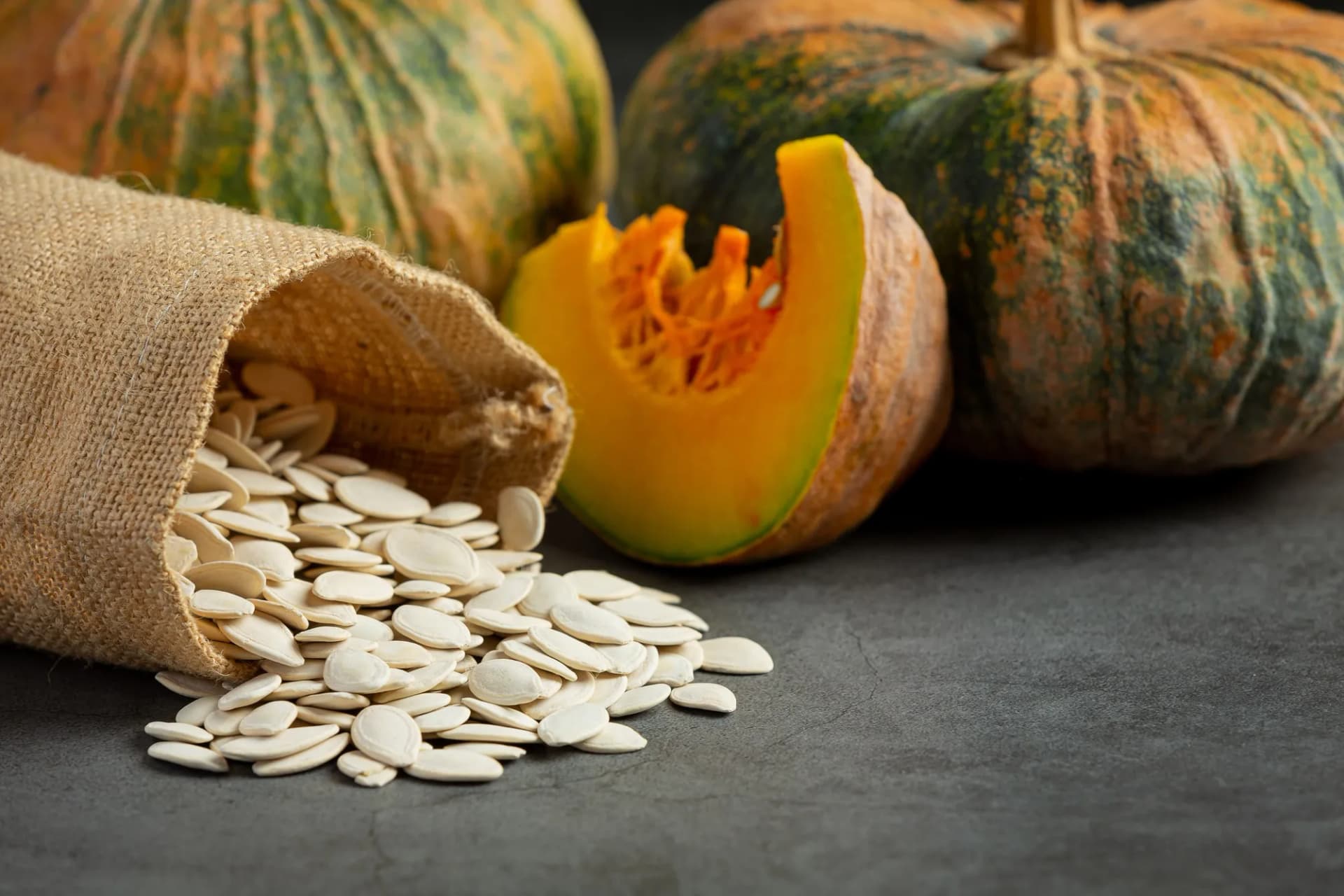
How to Plant Pumpkin Seeds for a Fall Harvest and Grow Your Own Patch

7 min read · 4 Nov 2026

How to Plant Pumpkin Seeds for a Fall Harvest and Grow Your Own Patch

A backyard pumpkin patch starts months before the first leaves turn: the harvest that ends up on the porch in October is decided by what a gardener does in late spring.

Beginner Guides
How to Plant Pumpkin Seeds for a Fall Harvest and Grow Your Own Patch
Best Time to Plant Grass Seed: When to Seed Your Lawn

6 min read · 19 Nov 2026

Best Time to Plant Grass Seed: When to Seed Your Lawn

The best time to plant grass seed depends on your climate and grass type. Cool-season lawns establish best in late summer or early fall, while warm-season grasses perform best once soil warms in late spring or early summer.

Plant Care
Best Time to Plant Grass Seed: When to Seed Your Lawn
How to Repot a Plant: A Step-by-Step Guide

7 min read · 28 May 2026

How to Repot a Plant: A Step-by-Step Guide

In spring, many plants need repotting—an essential part of care. To avoid stress, consider the plant’s type and size. This article offers a step-by-step guide for repotting indoors or outdoors and shows how to check plant health and get care tips using the Botan App.

Plant Care
How to Repot a Plant: A Step-by-Step Guide