



7 min read · 24 Aug 2026
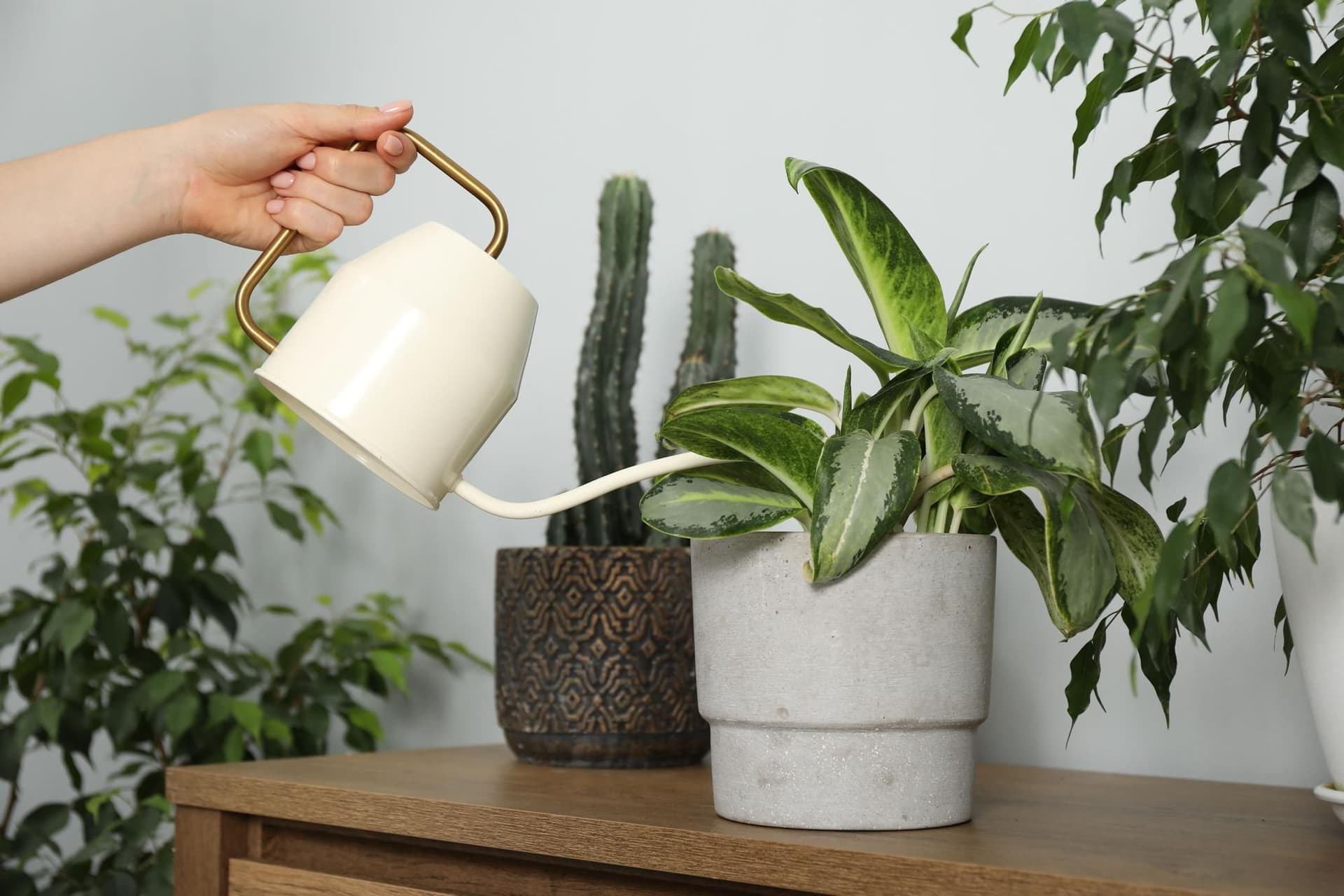
How to Water Houseplants: Watering Guide
Learn how often to water indoor plants, key factors for proper watering, and how to adjust the care routine by plant type, season, pot size, light, and indoor conditions.
Plant Care


Recognize white clover by its creeping stems that root at the nodes and its leaves divided into three oval leaflets on long stalks.
The flower heads are small, rounded clusters of white pea-like flowers held above the leaves, usually about 3/4 inch (2 cm) across.
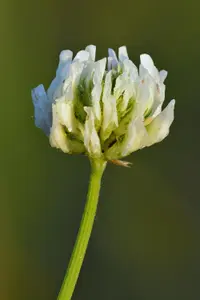
Use a clear photo to confirm what plant you have.
Clear images work best. Avoid photos taken too close or too far away
Check the leaf pattern, low habit, and rounded flower heads of Trifolium repens.
A creeping mat with 3-leaflet leaves and globe-like white flower heads is a strong visual match.
White clover shows clear visual differences from early leaf growth to flowering and fruiting.
Several named forms of white clover are identifiable by leaf pattern or flower color.
In spring, white clover quickly forms fresh low mats of trifoliate leaves, and from late spring into summer its rounded flower heads become a clear field mark. Each head opens white, often aging to cream or faint pink before fading. In mild winters, some green leaves may persist. In colder areas, patches can look thinned or partly dormant, with fewer fresh leaves and no showy flower heads.
Several low lawn legumes can be mistaken for white clover.
black medic(Medicago lupulina)
Often confused because it also creeps and has three leaflets. It usually has smaller leaflets and tight yellow flower heads, not white ones. The seed pods turn dark and curled.
yellow woodsorrel(Oxalis stricta)
Its three leaflets can suggest clover at a glance. The leaflets are distinctly heart-shaped with a notch at the tip, and the flowers are 5-petaled and yellow rather than round clover heads.
red clover(Trifolium pratense)
Another true clover with similar trifoliate leaves. It grows more upright, not mat-forming, and has larger pink to purple flower heads instead of low white ones.
Trifolium repens is native to Europe, North Africa, and western Asia. It naturally occurs in meadows, pastures, lawns, roadsides, and other low, open ground, especially in disturbed grassy places. That setting helps with identification because it is one of the most common clovers in closely mown turf and trampled grassland. Finding it in open, compacted, frequently cut ground is a useful clue when separating it from less common clovers of taller, rougher habitats.

Confirm Your Plant Species
Use Botan to double-check your plant ID
Use Botan to identify or confirm the plant from a photo, which helps avoid mix-ups before you label it or compare sources.
The species has slender, green creeping stems called stolons that run along the soil surface and root at the nodes. Leaf stalks and flower stalks rise from these points. It has no woody bark or trunk.
Identify it from a photo with Botan, then review plant details, care information, and common problems for the matched species.

7 min read · 24 Aug 2026
Learn how often to water indoor plants, key factors for proper watering, and how to adjust the care routine by plant type, season, pot size, light, and indoor conditions.
3 min read · 13 Nov 2026
Every plant lover has a small graveyard behind them. Here is the twist... most of those plants did not die from bad care.

8 min read · 9 Oct 2026
Want a garden that looks eerie in October? Here are 15 Halloween plants and fungi, from carnivorous traps to bleeding mushrooms. For each species, we cover its appearance, care requirements, and potential uses in your landscape.