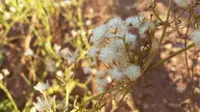
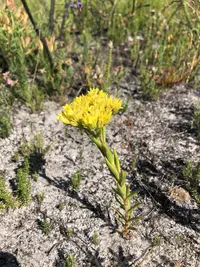
Brakslaai Care (Mesembryanthemum guerichianum)

Also known as: Salt Icefig
Brakslaai

About Brakslaai

Brakslaai, Mesembryanthemum guerichianum, is a small, sun-loving succulent from dry coastal and inland regions of southern Africa. It forms low, spreading mats with fleshy, water-storing leaves. Its leaves often have a slightly glistening surface, and it produces small, daisy-like flowers that open in bright light. The plant is adapted to poor, sandy soils and irregular rainfall, which makes it relatively forgiving of drought and nutrient-poor substrates. For those learning how to care for Brakslaai, its main needs are strong light, very well-drained soil, and careful watering that avoids prolonged wet conditions around the roots.

Main Plant Requirements

Care Difficulty

Moderate Care

Light Preference

Full Sun

Water Requirements

Low Water

Temperature Preference

Warm Climate

Hardiness Zone

9–11

Soil Texture

Sandy, Loamy, Rocky

Soil pH

Slightly acidic (6.5–7.0), Slightly alkaline (7.0–7.5)

Soil Drainage

Well-drained

Fertilization

Minimal (feed rarely)

Get Personalized Care Plan

Scan your plant to receive care tips personalized for your specific plant

Available on iOS and Android

How to Care for the Brakslaai

Mesembryanthemum guerichianum thrives in bright, direct light similar to coastal full-sun conditions.

  • Provide 6–8 hours of direct sun daily; morning sun plus early afternoon exposure suits Brakslaai in most US climates.
  • Plant in an open, unshaded spot; it tolerates very light afternoon shade, but prolonged shade leads to stretched, weak growth and fewer flowers.
  • In hot summers, protect from reflected heat off walls or pavement to prevent leaf scorch, especially during 2–4 pm peak sun in warmer zones.

This species is a drought-tolerant succulent that prefers infrequent, deep watering.

  • Allow the top 3–5 cm of soil to dry completely before watering; in sandy, fast-draining ground, this often means waiting until foliage looks slightly less plump.
  • Use sharply drained soil or a gritty mix so water runs through quickly; standing water or heavy clay leads to root rot and split leaves in Mesembryanthemum guerichianum.
  • In hot, active growth periods, water more deeply but still infrequently; in cool seasons, reduce watering to occasional sips when the plant just begins to wrinkle.

This succulent prefers warm, dry conditions and dislikes prolonged cold or humidity.

  • Aim for 65–80°F (18–27°C) during active growth; short spikes up to 90°F (32°C) are tolerated if soil is very free-draining.
  • Protect from cold below 40°F (4°C); it may survive brief dips to about 32°F (0°C) if dry, but repeated frosts damage foliage and can kill roots.
  • In regions with cool winters, treat it as a summer grower; plant or place outside after frost danger has passed and overwinter in a frost-free, bright spot if needed.

This succulent thrives in dry air and rarely needs humidity adjustment indoors.

  • Target 30–50% relative humidity, similar to most heated or air-conditioned homes.
  • Dry indoor air is usually safe; problems come more from excess moisture than from low humidity.
  • If leaves become soft, translucent, or mold appears on the soil, improve air movement and avoid grouping pots too closely.

This species needs very fast-draining, mineral-rich soil to prevent root rot.

  • Use a gritty, sandy mix such as 60–70% mineral material (coarse sand, fine gravel, pumice, or perlite) with 30–40% lean potting mix or cactus mix.
  • Aim for slightly acidic to neutral pH around 6.0–7.0, which suits most Mesembryanthemum guerichianum plants.
  • Improve drainage and aeration by adding extra pumice or coarse perlite if water does not drain through within a few seconds of watering.
  • Avoid dense, peat-heavy, or clay soils that stay wet, as these quickly cause root and stem rot.

This low, spreading succulent is well suited to container growing.

  • Choose a shallow but wide container to give roots lateral space and support the spreading mat of growth.
  • Prefer unglazed terracotta if outdoor conditions are wet, as it allows faster evaporation and reduces the risk of rot.
  • Raise pots slightly on feet or bricks so drainage holes stay clear and water does not pool under the container, especially outdoors.

This drought-adapted succulent, often called Brakslaai, needs only light feeding in lean, fast-draining soil.

  • Use a low-strength, balanced liquid fertilizer (around 10-10-10) diluted to 1/4–1/2 strength for container plants.
  • Feed every 4–6 weeks during the active growing season, only when plants are producing new shoots.
  • Avoid rich compost or heavy organic mixes that hold moisture and can cause root rot.
  • Stop feeding in late fall and winter, when growth slows or stops, to prevent soft, weak tissues.

Mesembryanthemum guerichianum benefits from light pruning to maintain a compact, flowering mat.

  • Trim lightly after main flowering flush, using clean, sharp scissors or small snips.
  • Remove dead, damaged, or leggy stems, cutting back to healthy, firm tissue.
  • Shortening overly long runners encourages denser growth and more flower buds later.
  • Pinch off spent blooms and seed heads to keep plants tidy and focus energy on new growth.

This shallow-rooted succulent is usually grown in the ground or low containers and dislikes frequent disturbance.

  • Repot or transplant only when roots circle the pot, growth stalls, or soil breaks down and drains poorly.
  • Plan moves for late spring, once frost risk has passed and soil has warmed.
  • Expect to repot containers every 2–3 years into a slightly larger pot with very gritty, fast-draining mix.
  • Handle the root ball gently, keep roots as intact as possible, and water lightly after moving to reduce stress.

This species is commonly propagated to expand groundcover mats or renew older clumps.

  • Use short, non-flowering stem cuttings in late spring or early summer for the highest success.
  • Allow cuttings to dry and callus for 1–2 days, then place in barely moist, gritty succulent mix.
  • Provide bright, indirect light and good air movement, keeping temperatures around 65–75°F for rooting.
  • Seeds can also be sown on the surface of well-draining mix, kept lightly moist until germination.

This sun-loving succulent has limited frost tolerance and benefits from simple winter precautions in colder regions.

  • In mild climates, ensure soil drains very well through winter to prevent cold, wet root rot.
  • Apply a thin layer of coarse gravel around the crown to keep stems off saturated soil.
  • Move container plants indoors or into a cool, bright, frost-free space when temperatures drop below freezing.

Care Tips

Controlled container depth

Use a shallow, wide container (5–8 cm deep) to keep roots slightly restricted, which encourages dense, compact growth rather than lanky, sprawling stems.

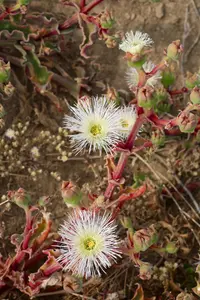
Pebble-mulch surface

Top-dress the soil with a 0.5–1 cm layer of coarse sand or fine gravel to keep stem bases dry, reduce algae and moss, and mimic the plant’s natural, free-draining habitat.

Seasonal growth check

At the end of the main flowering season, lightly trim back overly long, woody shoots to stimulate fresher side growth and maintain a tidy mat of foliage for the next cycle.

Targeted pest scouting

Inspect the tight leaf joints and undersides of stems every 1–2 weeks for aphids and mealybugs, and remove early infestations with a cotton swab dipped in 70% isopropyl alcohol before populations build up.

Planned succession sowing

For continuous display, sow small batches of seed every 3–4 weeks during the warm season so that as older plants tire, newer ones are coming into peak growth, which is a practical approach to growing Brakslaai in containers or troughs.

Common Pests and Diseases

Mealybugs

This pest feeds on sap and often hides in leaf joints and along stems, leaving white, cottony clusters. Symptoms include stunted growth, deformed new leaves, and sticky honeydew that can lead to sooty mold on this small succulent.

Solution

Isolate the plant, then remove visible mealybugs with a cotton swab dipped in 70% isopropyl alcohol and gently wipe affected areas. Improve light and airflow, avoid overfertilizing soft new growth, and repeat alcohol or insecticidal soap treatments weekly until no new insects appear.

Aphids

These insects cluster on tender new growth and flower stalks, sucking sap and causing distortion, yellowing, and sticky honeydew deposits. On Mesembryanthemum species they can quickly colonize during warm, dry spells, especially in containers or rock gardens.

Solution

Rinse colonies off with a firm stream of water and pinch back heavily infested soft tips. If needed, apply insecticidal soap or a light horticultural oil to all shoot tips and the undersides of leaves, repeating every 5–7 days until populations are controlled, and reduce excess nitrogen feeding that promotes lush, vulnerable growth.

Spider mites

This pest is favored by hot, dry conditions and can cause fine speckling, dull leaves, and sometimes thin webbing between joints. Symptoms include gradual loss of vigor and a greyed or dusty look on the foliage of this compact succulent.

Solution

Increase humidity around the plant slightly without wetting the crown constantly, then wash foliage gently with lukewarm water to remove mites and webbing. Follow with insecticidal soap or a low-rate miticide labeled for ornamental succulents, ensuring thorough coverage of leaf undersides, and repeat every 5–7 days until new growth appears clean.

Botrytis blight

This disease is a gray mold that develops on succulent leaves and flowers under cool, humid, and poorly ventilated conditions. Symptoms include soft, water-soaked spots that turn brown and develop fuzzy gray spores, especially on crowded or damaged tissue.

Solution

Remove and discard all affected leaves and spent flowers, avoiding contact with healthy tissue, and improve spacing, airflow, and drainage around the plant. Water at the base in the morning, keep foliage dry, and in persistent cases use a labeled fungicide for ornamental succulents as part of broader Mesembryanthemum guerichianum care practices.

Oedema

This disorder occurs when roots absorb water faster than leaves can transpire it, leading to small blister-like bumps or corky patches on leaves. Symptoms include rough, raised spots that may turn brown but usually do not spread rapidly between plants.

Solution

Reduce watering frequency, allowing the soil to dry more between waterings, and avoid sudden shifts from dry to very wet conditions. Provide stronger light, good airflow, and a well-draining gritty mix so excess moisture can escape and new growth develops with fewer or no lesions.

Interesting Facts

Karoo quartz specialist

This dwarf succulent is naturally restricted to quartz-rich flats of the South African Karoo, where its roots anchor into shallow crevices between pale, reflective stones.

Camouflage through color

Its grey‑green, often slightly translucent leaves closely match the surrounding quartz gravel, which helps reduce herbivory and limits overheating in intense full sun.

Winter‑rain growth pattern

The species is adapted to the Karoo’s winter‑rainfall climate, growing and flowering mainly in the cooler, moist season and resting through the hot, dry summer.

FAQs about Brakslaai

This species is a relatively fast-growing, low succulent, forming small clumps or mats rather than tall stems. In a warm, bright site with very free-draining soil, it can fill a small area within 1–2 seasons.

Grow Healthy Plants with Botan Care

Keep your plants happy and healthy with plant identification, disease detection, and easy care guidance.

Botan plant care app — identify plants on mobile

Explore More Plants