Rotate For Symmetry
Turn the pot 90° every 2–3 weeks so all sides receive similar light and the mat-forming rosettes stay even and compact rather than leaning to one side.

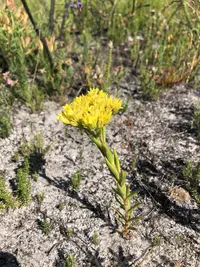
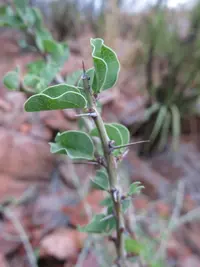
Crassula flava is a compact, shrubby succulent from arid regions of South Africa. It forms dense clusters of small, fleshy leaves that store water. Leaf color ranges from green to yellow-green, sometimes taking on warmer tones in strong light.
This species grows slowly and stays relatively small, which makes it suitable for containers and indoor windowsills. Its drought tolerance and modest growth rate generally make it easier to manage than many leafy houseplants.
It prefers bright, indirect light, very well-drained soil, and infrequent watering. Understanding these basic needs is the foundation of how to care for Crassula flava.

Care Difficulty
Easy Care

Light Preference
Full Sun

Water Requirements
Low Water

Temperature Preference
Warm Climate

Hardiness Zone
10–11

Soil Texture
Sandy, Loamy, Rocky

Soil pH
Slightly acidic (6.5–7.0), Neutral (7.0)

Soil Drainage
Well-drained

Fertilization
Minimal (feed rarely)
Scan your plant to receive care tips personalized for your specific plant
Available on iOS and Android
This compact succulent prefers bright, direct light but needs protection from harsh extremes.
This drought-tolerant succulent needs thorough but infrequent watering in sharply drained soil.
This species grows best in warm, frost-free conditions with only mild temperature swings.
This succulent tolerates a wide humidity range and usually does best in relatively dry indoor air.
This plant requires very sharply drained, mineral-based soil to avoid root rot.
This species is well suited to container growing when the pot controls moisture around the roots.
This succulent needs modest feeding, focused on the active growing season for balanced growth without excess softness or stretch.
Pruning Crassula flava is mainly for shaping and health rather than strict size control.
Container-grown plants benefit from occasional repotting to refresh soil and manage root health.
New plants are most often produced from stem or leaf cuttings rather than seed.
Winter care focuses on avoiding prolonged freezing conditions and overly wet soil around the roots.

Plant Health Check
Not sure what's wrong with your plant? Check your plant's health inside the app.
Crassula flava is naturally restricted to winter-rainfall regions of South Africa’s Western Cape, where it grows on rocky slopes and flats in fynbos vegetation and is adapted to the area’s cool, wet winters and hot, dry summers.
Unlike many longer-lived Crassula shrubs, this species behaves more like a short-lived, soft succulent herb with slender, often branching stems that may complete their life cycle in just a few seasons under natural conditions.
The species name flava refers to its yellow flowers, which appear in dense terminal clusters and provide seasonal color in the wild, contrasting with the generally grey-green foliage of surrounding fynbos plants.
Brown leaves usually result from sun scorch, extended underwatering, or salt buildup from fertilizer. Check for crispy, dry patches from excess light, or dry, shriveled foliage from lack of water. Flush the soil and remove damaged leaves.
Keep your plants happy and healthy with plant identification, disease detection, and easy care guidance.