Azure Stonecrop Care (Hylotelephium cyaneum)

About Azure Stonecrop

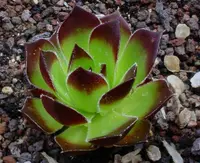
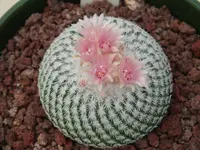
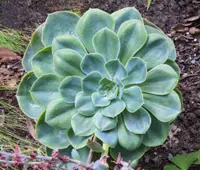
Azure stonecrop, Hylotelephium cyaneum, is a low-growing perennial succulent valued for its dense mat of blue‑green leaves and small star-shaped pink flowers. It typically forms tidy ground-hugging clumps that soften rock edges, pathway borders, and container rims. Native to rocky areas of Europe and western Asia, it is adapted to lean, fast-draining soils and dry conditions.

This background makes it a resilient choice for sunny spots and low-input plantings. Hylotelephium cyaneum suits gardeners who prefer plants that need minimal attention once established. Those looking to learn how to care for Azure Stonecrop will find that stable light, low to moderate moisture, and good drainage cover most of its needs.

Main Plant Requirements

Care Difficulty

Easy Care

Light Preference

Full Sun

Water Requirements

Low Water

Temperature Preference

Cold Hardy

Hardiness Zone

3–9

Soil Texture

Sandy, Loamy, Rocky

Soil pH

Slightly acidic (6.5–7.0), Neutral (7.0)

Soil Drainage

Well-drained

Fertilization

Minimal (feed rarely)

Get Personalized Care Plan

Scan your plant to receive care tips personalized for your specific plant

Available on iOS and Android

How to Care for the Azure Stonecrop

This low, spreading succulent prefers bright outdoor light with some daily direct sun for compact growth.

  • Provide 4–6 hours of direct morning sun, with light afternoon shade in hotter regions, to support dense foliage and flowering in Azure Stonecrop.
  • Tolerates partial shade (3–4 hours sun) but stems may stretch and flowering decrease; choose an open site rather than deep shade.
  • In very hot climates, protect from harsh afternoon sun to prevent leaf scorch; in winter, full sun all day is ideal when the sun is lower.

This drought-tolerant succulent prefers infrequent, deep watering and fast-draining soil.

  • Water only when the top 3–5 cm of soil are completely dry; in most climates this means longer gaps between waterings rather than a fixed schedule.
  • Use gritty, sharply drained soil so excess water runs out quickly; persistent moisture or puddling greatly increases root rot risk in Hylotelephium cyaneum.
  • Signs of overwatering include yellowing, translucent, or mushy leaves, while severe wrinkling and shriveling indicate that the plant has been dry for too long.

This hardy succulent tolerates a wide temperature range but grows best in moderate conditions.

  • Active growth is strongest around 65–75°F (18–24°C); flowering and foliage color are good with warm days and cooler nights.
  • Mature plants usually handle down to about -20°F (-29°C) in well-drained soil, but crowns sitting in wet, cold ground are more likely to rot.
  • In summer, it tolerates 85–95°F (29–35°C) if soil drains well and heat builds gradually; prolonged extreme heat with high humidity can stress plants and reduce vigor.

This drought-tolerant succulent handles low household humidity easily and rarely needs special humidity care.

This species prefers fast-draining, mineral-based soil that mimics a dry, rocky habitat.

  • Use a sandy or gritty mix, such as 50–70% cactus/succulent mix blended with coarse sand or fine gravel for structure.
  • Ensure very sharp drainage; water must pass through quickly with no pooling or lingering sogginess in the pot or bed.
  • Aim for slightly acidic to neutral pH around 6.0–7.0, which suits Hylotelephium cyaneum and most companion rock-garden plants.
  • Avoid heavy clay or peat-heavy mixes; lighten dense substrates by adding coarse sand, pumice, or perlite to improve aeration.

This low, spreading succulent is well suited to container growing outdoors.

  • Choose a wide, shallow pot that allows the mat-forming roots and stems to spread without creating a deep, wet soil column.
  • Use a heavy or terracotta container if exposed to wind so the plant’s spreading top growth does not tip the pot.
  • Elevate the pot on feet or blocks so drainage holes stay clear and water runs off quickly after rain or irrigation.

Hylotelephium cyaneum needs only light feeding in typical garden soil, as excessive nutrients reduce its compact form.

  • Apply a balanced, low-dose granular or slow-release fertilizer once in early spring, just as new growth appears.
  • Avoid feeding more than 1–2 times per growing season; lean conditions help maintain dense foliage and good flowering.
  • Use about half the label-recommended strength for container-grown Azure Stonecrop to prevent soft, weak growth.
  • Do not fertilize in late fall or winter, when the plant is dormant and nutrient demand is minimal.

Pruning Hylotelephium cyaneum is simple and mainly keeps the plant compact and tidy.

  • Cut back spent flower stems in late fall or very early spring using clean hand pruners.
  • Remove dead, damaged, or floppy stems at the base to reduce disease risk and keep a low, mounded shape.
  • Thin out crowded shoots slightly in spring to improve air flow and light penetration into the clump.
  • Avoid heavy midsummer cutting, which can reduce flowering; limit to light shaping or deadheading only.

This species is usually grown as a groundcover, so transplanting in garden beds is more common than container repotting.

  • Transplant in early spring or early fall when temperatures are mild and soil is workable.
  • Move plants when clumps become crowded, growth weakens, or stems sprawl beyond the intended area.
  • Lift the clump with a trowel, keeping roots as intact as possible, and replant at the same soil level in well-drained ground.
  • Water lightly after transplanting, then allow soil to dry between waterings to limit root stress and prevent rot.

Hylotelephium cyaneum is commonly propagated to expand groundcover patches or share plants.

  • Divide established clumps in early spring or early fall, replanting divisions into well-drained soil immediately.
  • Take short stem cuttings in late spring or summer, let cut ends callus for 1–2 days, then set into gritty, barely moist mix.
  • Provide bright light and good air circulation while cuttings root; avoid overwatering to prevent rot.
  • Sow seeds on the surface of a free-draining mix in spring, keeping them lightly moist and in bright, indirect light.

This hardy succulent typically needs minimal winter care in most temperate climates.

  • Plants tolerate frost and freezing in-ground; old stems can be left as winter interest and cut back in early spring.
  • Apply a light mulch layer around, but not over, crowns in colder regions to buffer freeze-thaw cycles.
  • For container plants in very cold areas, move pots to a sheltered, unheated spot to prevent repeated root freezing and thawing.

Care Tips

Low-profile edging

Use this plant as a living edging along paths or rock walls, leaving 10–15 cm from the hard edge so the mats can spread and cascade without being stepped on or damaged by traffic.


Rock crevice planting

Tuck rooted cuttings into 1–2 cm wide rock crevices filled with gritty mix, which stabilizes the shallow roots and helps prevent the crown from sitting in standing water.

Winter drainage check

Before winter, verify that beds and containers drain freely and are slightly raised, since crowns that stay wet and frozen are more likely to rot than those in cold but well-drained sites.

Renewal by division

Every 3–4 years, lift and divide congested clumps in early spring, replanting only the firm, non-woody outer sections to maintain dense, flowering mats.

Flowering control

If dense foliage carpets are preferred over blooms, shear off developing flower stems when they first elongate, which keeps growth low and compact while redirecting energy to new shoots for easier caring for Azure Stonecrop.

Common Pests and Diseases

Aphids

This pest feeds on tender new growth, especially young stems and flower buds, causing distortion and sticky honeydew that can attract sooty mold. Symptoms include curled leaves, stunted shoots, and clusters of soft-bodied insects on stems and undersides of leaves.

Solution

Rinse colonies off with a firm stream of water, then spot-treat remaining insects with insecticidal soap or a ready-to-use neem oil spray, applied in the early morning or evening. Encourage or preserve natural predators such as lady beetles, and avoid high-nitrogen fertilization that promotes very soft, aphid-prone foliage when growing Azure Stonecrop.

Mealybugs

These insects appear as white, cottony clusters in leaf axils and along stems, sucking sap and weakening plants over time. Symptoms include yellowing, reduced vigor, and sticky residue around infested areas.

Solution

Isolate infested plants, then dab visible mealybugs with cotton swabs dipped in 70% isopropyl alcohol and remove heavily infested stems if practical. Follow up with repeated applications of insecticidal soap or neem oil, making sure to reach crevices where insects hide, and improve spacing to reduce sheltered spots.

Slugs and snails

These pests feed on fleshy leaves, especially in damp or shaded spots, leaving irregular holes and shredded edges. Symptoms include night-time damage with slime trails around plants and on soil surfaces.

Solution

Hand-pick slugs and snails in the evening or early morning and use iron phosphate bait around plantings according to label directions. Reduce hiding places by removing debris, lifting foliage off soil where possible, and avoid overwatering or dense mulches right against the crowns.

Powdery mildew

This disease shows as white, powdery patches on leaves and sometimes stems, most often in periods with warm days and cool, humid nights. Symptoms include dull, grayish foliage, reduced vigor, and premature leaf drop on dense mats of foliage.

Solution

Improve air circulation by thinning crowded clumps and avoiding overhead watering late in the day, then remove and discard heavily affected leaves. If needed, apply a labeled sulfur or potassium bicarbonate fungicide at the first sign of symptoms, repeating as directed to protect new growth.

Leaf spot

This disease causes small, dark or tan spots on leaves that may enlarge and merge, sometimes leading to early leaf drop in prolonged wet or humid conditions. Symptoms include discolored patches and an overall decline in the appearance of the foliage mat.

Solution

Remove and discard affected leaves and any heavily spotted stems to reduce inoculum, and water at the base to keep foliage as dry as possible. In beds that have recurring issues, improve drainage, increase spacing between plants, and consider a preventive fungicide labeled for ornamental leaf spot if wet conditions persist.

Interesting Facts

Natural stone-step cover

This species naturally forms very low, mat-like cushions that creep over rocks and pavements, which is why it is often used to soften the edges of stone steps and rock crevices in alpine-style plantings.

High-altitude origins

It is native to rocky, often limestone-rich slopes in parts of the Caucasus and adjacent regions, where it endures thin soils, high light, and strong temperature swings between day and night.

Autumn color shift

As the growing season advances, its blue-green leaves and pink flower heads typically deepen to richer, more purplish tones in late summer to autumn, making it valued for late-season color in small spaces.

FAQs about Azure Stonecrop

This species forms low, slowly expanding mats through short rhizomes and stem pieces. It spreads politely rather than aggressively, making it suitable for rock gardens and edging without typically overwhelming neighboring plants or requiring constant control.

Grow Healthy Plants with Botan Care

Keep your plants happy and healthy with plant identification, disease detection, and easy care guidance.

Botan plant care app — identify plants on mobile

Explore More Plants