Rhizome division timing
Divide mature clumps only in early spring just as new shoots appear, replanting firm, healthy rhizomes 5–8 cm deep to reduce transplant shock and improve stand vigor.

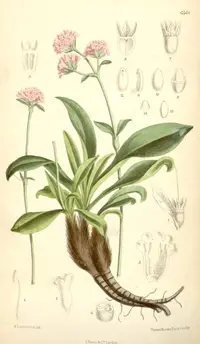
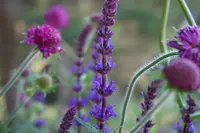
Spikenard, Nardostachys jatamansi, is a small perennial herb from the high altitudes of the Himalayas. It grows from rhizomes and forms low clumps with clustered stems and narrow leaves. In suitable conditions it produces small, pale pink to lavender flowers on short spikes. The plant is best known for its aromatic underground parts, traditionally used for oils and incense. It prefers cool conditions, moist but well-drained soil, and shelter from harsh heat. In gardens or containers, how to care for Spikenard largely depends on recreating its cool, consistently moist, and slightly shaded mountain habitat.

Care Difficulty
Hard Care

Light Preference
Partial Shade

Water Requirements
Keep Soil Moist

Temperature Preference
Cool Climate

Hardiness Zone
5–7

Soil Texture
Loamy, Silty, Organic-rich

Soil pH
Acidic (5.5–6.5)

Soil Drainage
Moist but well-drained

Fertilization
Minimal (feed rarely)
Scan your plant to receive care tips personalized for your specific plant
Available on iOS and Android
This mountain perennial prefers bright, cool conditions rather than intense lowland sun.
This species prefers consistently moist but not saturated soil, reflecting its natural montane habitats.
This montane herb thrives in cool to mild conditions and dislikes temperature extremes.
This species prefers consistently moist, cool air and does benefit from managed humidity.
This species grows best in deep, loose, cool, well-drained but moisture-retentive soil.
This species can be grown in containers if the pot is deep, cool, and drains very efficiently.
This species benefits from modest feeding, especially in poor soils or containers, but heavy fertilization is not necessary.
Nardostachys jatamansi needs only light pruning to keep clumps healthy and flowering well.
This plant is more often grown in the ground, but container-grown Nardostachys jatamansi sometimes needs careful repotting or transplanting.
Nardostachys jatamansi is most commonly propagated by division, with seeds used less often due to variable germination.
This species prefers cool conditions but is vulnerable to severe freezing and waterlogged winter soils.

Plant Health Check
Not sure what's wrong with your plant? Check your plant's health inside the app.
This species grows naturally on steep, rocky slopes of the eastern and central Himalayas, often between roughly 3,000–5,000 m where cold, intense UV radiation, and thin soils limit many other plants.
Its aromatic essential oil is produced mainly in the thickened rhizomes and roots, not the leaves or flowers, and contains sesquiterpenes such as jatamansone that give the plant its heavy, earthy fragrance.
Wild stands have declined in parts of Nepal, India, and neighboring regions due to overharvesting and habitat loss, leading to conservation concern and promotion of cultivation-based Nardostachys jatamansi plant care instead of wild collection.

Dried rhizomes of this plant were historically traded along trans-Himalayan routes and are widely considered the most likely botanical source of the ancient perfume and incense known as spikenard in Greek and Roman texts.
Lack of flowers usually comes from insufficient maturity, nutrient-poor or very compact soil, or stress from heat or drought. Stable cool conditions, moderate feeding, and avoiding root disturbance support reliable flowering in this alpine species.
Keep your plants happy and healthy with plant identification, disease detection, and easy care guidance.