Day Waterlily Care (Nymphaea nouchali)

Also known as: Red and Blue Waterlily, Cape Water Lily, Cape Blue Waterlily
Day Waterlily

About Day Waterlily

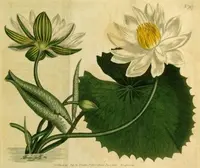
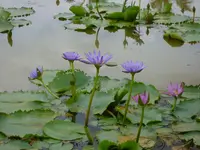
Day waterlily, Nymphaea nouchali, is an aquatic flowering plant that forms floating rosettes of round leaves and star-shaped blooms on still or slow-moving water. Flowers open during the day in shades of blue, white, or pink, creating a distinct contrast with the glossy green foliage.

The species is native to ponds, lakes, and wetlands across South and Southeast Asia, where it grows rooted in muddy substrates with leaves and flowers held at the water surface. It is considered moderately easy to grow in garden ponds if water quality is stable and light is strong, but it does need space and consistent moisture. Understanding how to care for Day Waterlily starts with providing calm water, full sun, and nutrient-rich, heavy soil.

Main Plant Requirements

Care Difficulty

Moderate Care

Light Preference

Full Sun

Water Requirements

Aquatic

Temperature Preference

Tropical / Frost Sensitive

Hardiness Zone

10–12

Soil Texture

Loamy, Silty, Organic-rich

Soil pH

Slightly acidic (6.5–7.0), Neutral (7.0)

Soil Drainage

Waterlogged tolerant

Fertilization

Moderate (every 2–4 weeks)

Get Personalized Care Plan

Scan your plant to receive care tips personalized for your specific plant

Available on iOS and Android

How to Care for the Day Waterlily

This tropical water lily needs strong light to bloom well in outdoor ponds.

  • Provide 6–8 hours of direct sun daily, ideally with morning sun and light afternoon shade in very hot climates to prevent leaf scorch.
  • Tolerates light partial shade (3–4 hours sun), but Day Waterlily will produce fewer and smaller flowers under reduced light.
  • In summer, avoid positioning under overhanging trees that cast dense shade; in cooler seasons, ensure the pond is in the brightest, unobstructed spot available.

This aquatic species relies on stable, clean, still water rather than traditional soil watering.

  • Grow in 30–60 cm of still or very slow-moving water, ensuring the rhizome stays submerged and the crown just below the surface, not buried too deep in muck.
  • Check weekly for signs of underwatering such as limp, collapsing leaves or exposed rhizomes, and for overwatering issues like foul odor from anaerobic, rotting soil pockets.
  • During hot weather, top up pond levels as evaporation lowers water depth; in cooler seasons, maintain depth but avoid sudden large water changes that shock Nymphaea nouchali.

This warm-climate water lily grows best in consistently mild to hot conditions.

  • Ideal growth occurs at 75–86°F (24–30°C); flowering slows below 70°F (21°C) and foliage may decline if cool water persists.
  • Avoid exposure to frost, as tissues are damaged near 32°F (0°C); in regions dropping below 50°F (10°C), treat it as a warm-season plant or provide protection.
  • Tolerates short heat spikes up to about 95°F (35°C) if water depth is adequate; deeper water buffers temperature swings between day and night.

Humidity is not a key factor for Nymphaea nouchali, which is adapted to growing submerged in water.

This species grows best rooted in dense, mineral-rich substrate under water rather than typical potting soil.

  • Use heavy clay or clay-loam garden soil with high mineral content and minimal organic matter to prevent floating and clouding the water.
  • Avoid sandy, loose, or peat-based mixes, which wash out easily and do not anchor rhizomes securely.
  • If soil is very light, blend in pond plant lattice clay or unscented, low-organic, baked clay cat litter to increase weight and stability.
  • Keep pH around 6.5–7.5 by avoiding strongly acidic peat or alkaline limestone chips when preparing the planting medium.

This species is suitable for growing in wide, shallow aquatic containers such as tubs or half-barrels.

  • Choose a sturdy, low, wide container that will not tip as leaves and flowers extend across the water surface.
  • Place a layer of washed gravel over the soil to keep it from floating and to protect the rhizome from disturbance by fish or water movement.
  • Use dark-colored containers outdoors to help warm the water slightly, which supports faster early-season growth in cooler climates.

Nymphaea nouchali benefits from targeted feeding during the warm growing season to support strong leaves and blooms.

  • Use a slow-release aquatic fertilizer tablet or balanced NPK (around 10-10-10) pushed deep into the planting medium, not the water column.
  • Feed every 4–6 weeks during active growth in late spring to summer, following label rates without adding extra doses.
  • Reduce or stop feeding as growth slows in late fall and during winter dormancy, especially in cooler climates.
  • Avoid liquid fertilizers poured into the pond; concentrated nutrients in the soil zone are safer for caring for Day Waterlily.

Pruning for Nymphaea nouchali focuses on maintaining clean foliage and continuous flowering rather than shaping the plant.

  • In the growing season, remove yellowing, damaged, or diseased leaves by cutting them close to the rhizome with clean scissors or pruners.
  • Snip spent flower stalks below the water surface before they decay, which helps direct energy to new buds.
  • Thin out crowded leaves to improve water circulation and light penetration to the remaining pads and flowers.
  • Disinfect cutting tools if disease is suspected, and lift trimmings from the water promptly to keep the pond healthy.

Container-grown Nymphaea nouchali may need transplanting every few years to prevent crowding and maintain flowering.

  • Check for roots circling the basket, rhizomes pressing against edges, or declining vigor as signs the plant is outgrowing its container.
  • Plan transplanting for late spring when water warms and new growth begins, allowing recovery during the full growing season.
  • Lift the basket gently, rinse off soil, trim dead roots, and divide large rhizomes so each division has several healthy growing points.
  • Replant divisions in wide, shallow aquatic baskets with heavy loam, cover with gravel, submerge gradually, and keep handling time short to reduce stress.

Nymphaea nouchali is most reliably multiplied by rhizome division, with seed propagation mainly used by specialists or breeders.

  • Divide mature rhizomes in late spring when repotting, choosing firm sections with at least 1–2 strong growing points and healthy roots.
  • Use a sharp, disinfected knife to cut sections, remove soft or rotted tissue, and dust cuts with pond-safe fungicidal powder if available.
  • Plant divisions in aquatic baskets filled with heavy loam, anchor with gravel, and submerge in warm (around 70–80°F), still or gently moving water.
  • For seed, provide warm water, fine aquatic substrate, and bright light; expect slower and less predictable results than with division.

This tropical waterlily is frost-sensitive and needs specific winter care in regions with cold winters.

  • In mild, frost-free climates, the rhizome can overwinter in the pond as long as water stays consistently above freezing.
  • In colder areas, lift containers before hard frost, rinse gently, and store rhizomes in damp sand or peat at 40–50°F in a dark place.
  • Alternatively, overwinter potted plants indoors in a heated greenhouse or bright window, keeping water above 65°F with reduced feeding.
  • Discard mushy or rotten rhizomes before spring, then replant only firm, healthy pieces once outdoor water warms again.

Care Tips

Basket Size Planning

Use a wide, shallow aquatic basket (at least 25–30 cm across) to give rhizomes room to spread, and pre-fill extra baskets so you can divide and replant quickly without disturbing the pond for long.

Controlled Rhizome Division

Divide crowded rhizomes every 2–3 years in late spring by cutting only firm, growing sections with at least 2–3 healthy buds and discarding any soft, dark, or decaying tissue to keep flowering consistent.

Depth Adjustment Routine

Start newly planted crowns on an inverted crate or bricks so the leaf pads sit just below the water surface, then lower them by 5–10 cm at a time over several weeks as growth strengthens.

Algae Competition Management

Limit nutrient buildup by removing fallen leaves, uneaten fish food, and sludge from the pond bottom regularly, which reduces filamentous algae that can shade and tangle the lily pads.

Leaf And Bud Inspection

Check pads and buds weekly for chewing damage, rusty spots, or slime, removing affected leaves with clean scissors and using this routine as a quick health scan when caring for Day Waterlily.

Common Pests and Diseases

Water lily aphids

This pest clusters on young pads, buds, and undersides of leaves, sucking sap and causing distortion, yellowing, and sticky honeydew that can lead to sooty mold.

Solution

Rinse colonies off pads and flowers using a strong but controlled stream of water, then remove heavily infested or deformed leaves; in ponds with fish, introduce or encourage natural predators such as lady beetles and avoid overfertilizing to limit soft, aphid-prone growth when caring for Day Waterlily.

China mark moth larvae

This pest is the caterpillar stage of an aquatic moth that cuts and folds leaf pieces into floating cases, leaving irregular holes and notched margins on pads.

Solution

Hand-pick and remove leaf pieces that contain larvae, prune and discard badly damaged pads, and use fine pond netting or surface skimming to collect floating leaf cases, which helps break the life cycle without disturbing fish or beneficial insects.

Leaf-mining midges

These insects create pale, winding tunnels within the leaf tissue that later turn brown, reducing the effective photosynthetic area of the pads.

Solution

Remove and dispose of heavily mined leaves to reduce larval numbers, maintain good nutrient balance and plant density to support new healthy growth, and avoid unnecessary broad-spectrum treatments that may harm natural aquatic predators controlling the midges.

Crown rot

This disease affects the central growing crown at or just below the water surface, causing pads to yellow and collapse and new leaves to emerge weak or not at all.

Solution

Remove and discard all affected plant material, gently lift and divide the plant to cut out soft or blackened crown tissue, replant only firm, healthy sections in clean, well-rinsed substrate, and maintain good water quality with moderate nutrient levels to reduce stress.

Leaf spot fungus

This disease produces small brown, purple, or black spots on pads that can enlarge, merge, and cause premature leaf dieback, especially in warm, stagnant water.

Solution

Trim and remove affected leaves before spots spread widely, avoid overcrowding to improve light penetration and water movement around the pads, and keep decaying organic matter low in the pond so fungal spores are less able to persist and reinfect new leaves.

Interesting Facts

National flower status

This species is the national flower of both Sri Lanka and Bangladesh, where it appears in official emblems and is closely tied to Buddhist and cultural symbolism of purity and renewal.

Day-opening blue flowers

Its star-shaped blue to bluish-white flowers open in the morning and usually close by afternoon, following a clear day-night rhythm that helps attract diurnal pollinators like bees and beetles.

Adapted to shallow waters

The plant is typically found in still or slow-moving shallow water, where its long, flexible stalks keep leaves and flowers at the surface, allowing efficient gas exchange and access to light even in warm, low-oxygen ponds.

Botan icon

Did you know?

Fossil and historical evidence suggest that water lilies similar to Nymphaea nouchali have been present in South and Southeast Asia for thousands of years, and this species is often depicted in ancient temple art and carvings associated with Buddhist and Hindu traditions.

FAQs about Day Waterlily

Poor flowering usually comes from insufficient sun, shallow or nutrient-poor water, or overcrowded rhizomes. Ensure at least 6 hours of direct light, 20–60 cm water depth, rich aquatic fertilizer, and divide congested clumps every few years.

Grow Healthy Plants with Botan Care

Keep your plants happy and healthy with plant identification, disease detection, and easy care guidance.

Botan plant care app — identify plants on mobile

Explore More Plants