speckled spur flower Care (Plectranthus ciliatus)

Also known as: Eyelash Spurflower
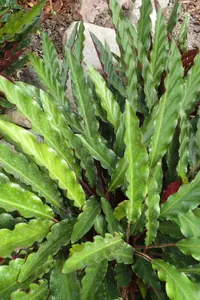
speckled spur flower

About speckled spur flower

Speckled spur flower (Plectranthus ciliatus) is a soft, fast-growing perennial often grown as a trailing or spreading foliage plant. It is usually used in hanging baskets, mixed containers, or as a groundcover in mild climates.

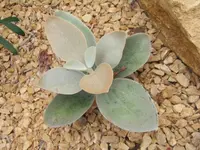
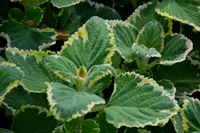
The plant has rounded, slightly toothed leaves with colorful markings and often purple undersides, giving good contrast in shade or bright indirect light. Small, upright flower spikes carry pale, tubular blooms, but foliage is the main ornamental feature.

Plectranthus ciliatus is native to eastern South Africa, where it grows in woodland and coastal habitats with mild temperatures and regular moisture. Its tolerance of shade, quick growth, and ability to recover from light neglect make it easy to care for speckled spur flower in most homes or sheltered outdoor spaces.

It prefers free-draining soil, moderate moisture, and protection from strong, direct sun and cold drafts.

Main Plant Requirements

Care Difficulty

Easy Care

Light Preference

Partial Shade

Water Requirements

Moderate Water

Temperature Preference

Tropical / Frost Sensitive

Hardiness Zone

10–11

Soil Texture

Loamy, Sandy, Organic-rich

Soil pH

Acidic (5.5–6.5), Slightly acidic (6.5–7.0)

Soil Drainage

Moist but well-drained

Fertilization

Light (every 4–6 weeks)

Get Personalized Care Plan

Scan your plant to receive care tips personalized for your specific plant

Available on iOS and Android

How to Care for the speckled spur flower

Plectranthus ciliatus prefers bright, indirect light with some protection from intense midday sun.

  • Provide 4–6 hours of gentle morning sun or bright filtered light each day, such as near an east- or north-facing exposure.
  • Allow light to drop to bright partial shade in hotter months to prevent leaf scorch, especially for speckled spur flower grown outdoors in warm climates.
  • Watch for pale, stretched stems as a sign of too little light, and for yellow, crisp patches as a sign of excess direct sun.

Plectranthus ciliatus prefers consistently slightly moist, but not saturated, soil.

  • Water when the top 2–3 cm of soil feels dry, using enough water so excess drains away rather than sitting around the roots.
  • Reduce watering in cooler months, letting the soil dry a bit deeper, and increase frequency during active growth in spring and summer.
  • Check for drooping, thin leaves as a sign of underwatering and soft, yellowing leaves or a sour smell as signs of overwatering and poor drainage.

This plant grows best in mild, frost-free conditions with stable, moderate temperatures.

  • Aim for 65–80°F (18–27°C) for active growth, keeping it away from sudden drafts, air conditioners, or heater vents.
  • Protect from cold below 50°F (10°C); growth slows near this point and tissue damage occurs with light frost or freezing temperatures.
  • In hotter periods above 86°F (30°C), provide extra shade and airflow to reduce heat stress, leaf wilting, and moisture loss.

This species handles typical indoor humidity but grows best with slightly moist air.

  • Aim for 40–60% humidity; values near the lower end are usually tolerated without leaf damage.
  • In very dry air, leaf edges may brown and growth may stall, especially on speckled spur flower near heat sources.
  • Increase humidity by grouping plants, setting the pot on a pebble tray with water, or placing it away from strong drafts.

This plant prefers a loose, well-drained, organic-rich mix that stays lightly moist but not wet.

  • Use a peat- or coco-based potting mix amended with 20–30% perlite for drainage and aeration.
  • A slightly acidic to neutral pH around 6.0–7.0 supports nutrient uptake and healthy root function in Plectranthus ciliatus.
  • Ensure the mix feels springy and crumbly, not dense or sticky, so roots receive both air and moisture.
  • Avoid heavy garden soil or mixes that stay soggy, which encourage root rot and stem base collapse.

This species is very suitable for container growing on shelves, windowsills, or patios.

  • Choose a wide, shallow pot to accommodate its spreading habit and keep the root zone evenly moist without waterlogging.
  • Use a stable, heavier container if trailing growth might cause the pot to tip as foliage becomes fuller.
  • Select materials like unglazed terracotta when extra evaporation is needed, or glazed pots when moisture retention is a concern.

Plectranthus ciliatus responds well to modest feeding during its active growing season.

  • Use a balanced liquid fertilizer (such as 10-10-10) diluted to 25–50% strength every 3–4 weeks in spring and summer.
  • Organic growers can use a thin layer of fine compost on the soil surface instead of synthetic feed.
  • Stop feeding or reduce to once in midwinter if growth slows under low light and cooler temperatures.
  • Flush the pot with plain water every few months to limit salt buildup around the roots of speckled spur flower.

Pruning supports dense, compact growth and encourages fresh foliage on Plectranthus ciliatus.

  • Pinch or trim soft shoot tips in spring and summer to keep a bushy, trailing shape.
  • Remove dead, damaged, or overly woody stems at the base with clean, sharp scissors or pruning shears.
  • Thin crowded interior stems slightly to improve air flow and reduce risk of fungal issues.
  • After flowering, lightly shorten long shoots to maintain size without cutting back to leafless wood.

This plant adapts well to containers but benefits from occasional repotting to refresh the root zone.

  • Check for roots circling the pot, emerging from drainage holes, or reduced vigor as signs it needs more space.
  • Plan to repot every 1–2 years in spring, using a fresh, well-drained peat-free potting mix.
  • Move to a container only 2–5 cm wider to prevent waterlogging in an oversized pot.
  • Water thoroughly after repotting, keep in bright indirect light, and avoid heavy feeding for 2–3 weeks to reduce root stress.

New plants of Plectranthus ciliatus are most often produced from stem cuttings.

  • Take 7–10 cm non-flowering tip cuttings in spring or summer from healthy, pest-free shoots.
  • Remove lower leaves and place cuttings in moist, well-drained potting mix or plain water.
  • Provide bright, indirect light, 70–80°F warmth, and high humidity to promote rooting within a few weeks.
  • For division, separate rooted side shoots during spring repotting and plant each in a small individual pot.

This species is frost tender and needs protection in regions with cold winters.

  • Move container plants indoors before temperatures drop below 50°F, providing bright, indirect light.
  • Keep indoor temperatures around 60–70°F and reduce watering so the soil stays slightly moist, not wet.
  • In mild climates, grow Plectranthus ciliatus in sheltered spots and apply a light mulch to buffer brief cool spells.

Care Tips

Pinch To Densify

Pinch back the soft shoot tips every 3–4 weeks during active growth to encourage dense, cascading stems instead of long, sparse runners.

Refresh Leggy Stems

If stems become woody and bare near the base, cut them back by 1/3 and replant a few healthy tip cuttings into the same pot to thicken the overall plant.

Strategic Light Rotation

Rotate the pot 1/4 turn every 1–2 weeks so the most colorful, speckled foliage develops evenly on all sides rather than only on the brightest-facing edge when growing speckled spur flower.

Prevent Fungal Mildew

Provide strong air movement around the foliage and avoid crowding plants together, especially in humid rooms, to reduce the risk of powdery mildew on leaves.

Seasonal Growth Pause

In late fall and winter, allow the plant to grow more slowly, then resume tip-pinching and repotting only once new, vigorous growth appears in spring.

Common Pests and Diseases

Mealybugs

This pest often hides along stems and leaf undersides, appearing as small white cottony clusters and causing leaf yellowing and stunted growth. Symptoms include sticky honeydew on leaves and nearby surfaces.

Solution

Isolate the plant, then dab visible insects with cotton swabs dipped in 70% isopropyl alcohol and gently wipe affected areas. Rinse the foliage with lukewarm water, repeat alcohol treatments weekly until no new insects appear, and improve air circulation to reduce reinfestation risk as part of general Plectranthus ciliatus care.

Aphids

These insects feed on young shoots and undersides of soft leaves, causing curling, distortion, and sticky honeydew that can attract sooty mold. Infestations are often heaviest on new growth and flower spikes.

Solution

Spray the plant thoroughly with a strong, lukewarm water stream to dislodge insects, then follow with an application of insecticidal soap, ensuring full coverage of leaf undersides and growing tips. Repeat every 5–7 days until new growth appears clean and avoid overfertilizing, which encourages soft, aphid-prone shoots.

Spider mites

This pest thrives in warm, dry indoor air and creates fine webbing between leaves and stems, leading to tiny pale speckles and a dull, faded appearance on foliage. Severe infestations cause leaf drop and general decline.

Solution

Increase humidity around the plant, then rinse foliage thoroughly in the sink or shower, focusing on leaf undersides. After washing, apply insecticidal soap or a horticultural oil labeled for spider mites, repeating weekly and maintaining regular leaf rinsing to keep populations low as part of long-term speckled spur flower indoor care.

Botrytis blight

This disease develops in cool, humid, and crowded conditions, causing soft brown spots on leaves and stems that may become covered with gray, fuzzy mold. Symptoms include rapid collapse of tender growth and rotting of fallen leaves left on the soil surface.

Solution

Remove and discard all affected leaves and stems, including any plant debris on the soil, then improve airflow and avoid wetting the foliage when watering. Space plants so leaves do not touch, water early in the day, and if needed apply a fungicide labeled for botrytis on ornamentals, following the product directions carefully.

Powdery mildew

This disease appears as white, powdery patches on the upper leaf surface, which can cause yellowing, distortion, and premature leaf drop. Symptoms include a dull, dusty look to the foliage, especially under low light and stagnant air conditions.

Solution

Prune out the worst affected leaves to reduce spore load, then increase light and airflow around the plant while avoiding overhead watering. Treat remaining foliage with a sulfur-based fungicide or a potassium bicarbonate product labeled for powdery mildew, and maintain moderate humidity and spacing to prevent recurrence.

Interesting Facts

Velvet undersides and scent

The leaves have a smooth green upper surface but distinctly purple, velvety undersides with fine hairs, and when touched or bruised they release a mild, resinous scent rather than the strong minty odor typical of many other Plectranthus species.

Forest floor origins

This species is native to the shaded forest understory of South Africa and Eswatini, where it grows as a scrambling groundcover or low subshrub on rocky slopes and along forest margins.

Day‑length sensitive flowering

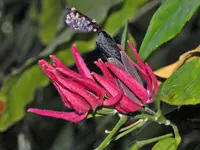
Flowering in cultivation often peaks in autumn because the plant responds to shortening day length, producing airy spikes of small, pale lavender to white tubular flowers held well above the foliage.

FAQs about speckled spur flower

Brown leaf edges usually result from low humidity, underwatering, or fertilizer salts building up in the potting mix. Check soil moisture, flush the soil occasionally, and protect the plant from hot, dry drafts or direct heater airflow.

Grow Healthy Plants with Botan Care

Keep your plants happy and healthy with plant identification, disease detection, and easy care guidance.

Botan plant care app — identify plants on mobile

Explore More Plants