

Anchor With Substrate
Use a 2–3 cm layer of sand or fine gravel over a heavier base substrate so rhizomes and stem bases stay anchored but new shoots can still emerge easily to stabilize the colony.

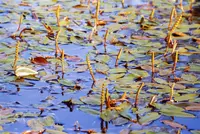
Broad-leaved pondweed, Potamogeton natans, is a hardy aquatic plant commonly found in ponds, lakes, and slow-moving streams. It is a true water plant, not suited to dry soil. The plant forms floating, oval leaves on the water surface, with long, flexible stems rising from rhizomes anchored in the sediment. Submerged, narrower leaves often form below the surface. It provides shelter for aquatic life and helps oxygenate and stabilize freshwater habitats. In garden ponds, it is valued for its adaptability and low maintenance, as long as water quality is reasonable. Understanding how to care for Broad-leaved Pondweed mainly involves providing still or gently moving freshwater and enough light for healthy leaf growth.

Care Difficulty
Moderate Care

Light Preference
Full Sun

Water Requirements
Aquatic

Temperature Preference
Cold Hardy

Hardiness Zone
3–8

Soil Texture
Silty, Organic-rich

Soil pH
Slightly acidic (6.5–7.0), Neutral (7.0)

Soil Drainage
Waterlogged tolerant

Fertilization
Minimal (feed rarely)
Scan your plant to receive care tips personalized for your specific plant
Available on iOS and Android
This aquatic species prefers bright, open conditions but tolerates some shade in ponds and slow-moving water.
This aquatic plant must stay fully submerged at the root zone with stable water levels rather than intermittent watering.
This hardy aquatic plant tolerates a wide temperature range but grows best in cool to mild water conditions.
This aquatic species relies on water rather than air humidity, so ambient humidity is usually not a limiting factor.
Potamogeton natans grows rooted in submerged, soft, organic-rich sediments rather than typical garden soil.
This species is suitable for container cultivation in ponds or water features when planted in submerged baskets or pots.
Potamogeton natans is adapted to low-nutrient waters and usually needs little or no added fertilizer in natural ponds.
Pruning Potamogeton natans is mainly for control and water quality, not for shaping like a garden shrub.
Transplanting is relevant mainly when Potamogeton natans is introduced or managed in lined ponds or containers.
Potamogeton natans is most often propagated by vegetative division in managed ponds.
In most temperate climates, Broad-leaved Pondweed overwinters naturally and needs little specific winter care in ponds.

Plant Health Check
Not sure what's wrong with your plant? Check your plant's health inside the app.
This species produces both submerged, narrow leaves and floating, broad oval leaves, allowing it to capture light efficiently under varying water levels and turbidity.
It forms specialized winter buds called turions that sink and persist on the pond or lake bottom, helping the plant survive freezing temperatures and ice cover in temperate climates.
Populations often decline where water becomes heavily polluted or highly shaded, so its presence in lakes, slow rivers, and canals can indicate relatively moderate nutrient levels and clearer water conditions.

Genetic and morphological studies have shown that this species is part of a complex group within the genus Potamogeton, and it can form natural hybrids with closely related pondweeds, which sometimes makes field identification challenging even for specialists.
Yellowing leaves often result from low nutrients, especially nitrogen, or from warm, stagnant, low-oxygen water. Check for overcrowding, decaying organic matter, and insufficient water movement. Regular partial water changes and balanced aquatic fertilizer usually improve color.
Keep your plants happy and healthy with plant identification, disease detection, and easy care guidance.

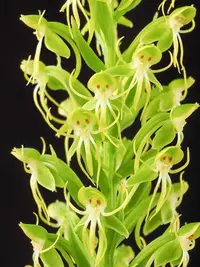
Waterspider bog orchid
Habenaria repens
Buffalo Spinach
Enydra fluctuans
yellow necklacepod
Sophora tomentosa
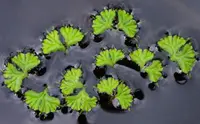
fringed heartwort
Ricciocarpos natans
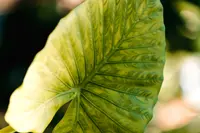
Elephant Ear
Colocasia esculenta Royal Hawaiian Maui Gold
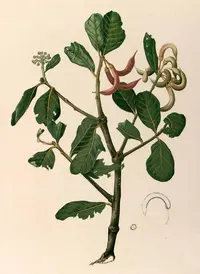
river mangrove
Aegiceras corniculatum
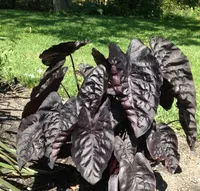
Elephant's Ear
Colocasia 'Black Ripple'
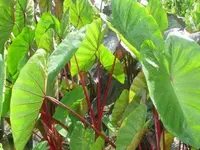
Elephant's Ear
Colocasia esculenta Royal Hawaiian Blue Hawaii