Premna microphylla Care

Premna microphylla

About Premna microphylla

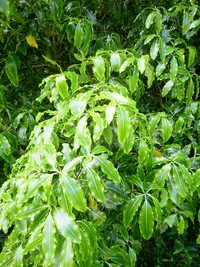
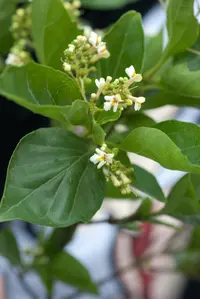
Premna microphylla is a small-leaved shrub or small tree, often grown as a bonsai for its fine branching and dense foliage. It belongs to the mint family (Lamiaceae) and naturally occurs in parts of East and Southeast Asia. In cultivation it tends to develop a woody trunk with many small, oval leaves that respond well to pruning and shaping. This makes it popular among growers who enjoy detailed structural work. The species prefers warm conditions, moderate light, and evenly moist but well-drained soil. With stable temperatures and regular attention, it is generally considered manageable for growers learning how to care for Premna microphylla.

Main Plant Requirements

Care Difficulty

Moderate Care

Light Preference

Partial Sun

Water Requirements

Moderate Water

Temperature Preference

Tropical / Frost Sensitive

Hardiness Zone

10–11

Soil Texture

Loamy, Sandy, Organic-rich

Soil pH

Acidic (5.5–6.5), Slightly acidic (6.5–7.0)

Soil Drainage

Moist but well-drained

Fertilization

Light (every 4–6 weeks)

Get Personalized Care Plan

Scan your plant to receive care tips personalized for your specific plant

Available on iOS and Android

How to Care for the Premna microphylla

This bonsai shrub prefers bright, gentle light with limited harsh midday exposure.

  • Provide 4–6 hours of morning sun with light afternoon shade; east or southeast exposure is ideal for Premna microphylla.
  • Outdoors, give dappled or filtered sun under taller plants; indoors, place near a bright window with sheer curtain to soften light.
  • Watch foliage: pale, scorched, or crisping leaves indicate too much direct sun; elongated, sparse shoots signal insufficient light, especially in winter.

This species prefers evenly moist, not soggy, soil with slight surface drying between waterings.

  • Water when the top 2–3 cm of soil feels dry, applying enough water to moisten the full root zone, then allow excess to drain away completely.
  • In active growth and summer heat, expect more frequent watering; in cooler seasons, extend intervals but never let the root ball dry out hard.
  • Use a free-draining mix so water does not pool around roots; yellowing soft leaves suggest overwatering, while dull, drooping leaves and dry twigs suggest underwatering.

This warm-climate shrub performs best in stable, mild temperatures without frost exposure.

  • Aim for 65–80°F (18–27°C) during active growth; short peaks to 85–90°F (29–32°C) are tolerated if humidity and watering are adequate.
  • Protect Premna microphylla from cold; growth slows below 60°F (16°C) and tissue damage may occur below 45–50°F (7–10°C).
  • Avoid frost entirely; bring container plants under cover before temperatures approach 40°F (4°C) and shield from cold winds or sudden temperature drops.

This species prefers moderate to slightly elevated humidity and reacts if air stays very dry.

  • Aim for 50–70% humidity, especially for Premna microphylla kept indoors or in warm rooms.
  • Leaves curling, browning tips, and slowed new growth indicate humidity stress rather than underwatering.
  • Increase humidity with a nearby pebble tray or grouped plants, or run a small humidifier in the same area.

Use a loose, fast-draining mix that still holds moderate moisture for sustained root health.

  • Choose a gritty loam with 30–40% inorganic material such as pumice, perlite, or coarse sand to prevent waterlogging.
  • Include 20–30% fine bark or similar chunky organic matter to improve structure, aeration, and root ramification for bonsai training.
  • Keep pH roughly 6.0–7.0, avoiding highly acidic or strongly alkaline substrates that can restrict nutrient uptake.
  • Avoid dense garden soil or peat-heavy mixes that compact, stay wet for long periods, or suffocate roots in containers.

This species is very suitable for container and bonsai culture when root space and drainage are managed precisely.

  • Select a pot just wider than the root spread to control top growth while still allowing a shallow, fibrous root system to develop evenly.
  • Use a container with multiple drainage holes so excess water leaves within seconds of watering, preventing perched water at the base.
  • Prefer unglazed terracotta or similarly breathable materials in humid or cool climates to speed evaporation and reduce root rot risk.

Balanced feeding supports compact growth and healthy foliage in Premna microphylla.

  • Use a balanced liquid fertilizer (around 10-10-10 or 20-20-20) diluted to 1/2 strength for container plants.
  • Apply every 2–4 weeks during the active growing season, after thorough watering to avoid root burn.
  • Pause or reduce feeding to 1x during late fall–winter when growth slows.
  • Organic options like light compost or slow-release pellets can be used sparingly in spring.

Thoughtful pruning maintains structure, leaf density, and vigor in Premna microphylla.

  • Carry out main shaping in late winter or early spring before strong new growth begins.
  • Remove dead, diseased, or crossing branches first, then thin crowded interior shoots for light and airflow.
  • Shorten overly long shoots to maintain desired outline and branch ramification, especially in bonsai specimens.
  • Use sharp, clean pruning shears and make small, angled cuts just above a healthy bud or side branch.

Repotting helps maintain root health and stable growth, especially for container or bonsai Premna microphylla.

  • Check for roots circling the pot, dense root mass, or reduced vigor as signs a larger container is needed.
  • Plan repotting for early spring, typically every 2–3 years for young plants and less often for older trees.
  • Gently loosen the root ball, prune only congested or dead roots, and avoid removing more than 20–30% at once.
  • Place in fresh, free-draining mix, water thoroughly, and keep in bright but sheltered conditions for 1–2 weeks to reduce stress.

Vegetative propagation of Premna microphylla is commonly done using stem cuttings under warm, humid conditions.

  • Take semi-hardwood tip cuttings in late spring–summer from healthy, pest-free shoots.
  • Remove lower leaves, dip the base in rooting hormone, and insert into a moist, well-draining medium such as perlite and peat.
  • Maintain bottom warmth around 70–75°F, high humidity, and bright, indirect light until roots form.
  • Seed propagation is possible but slower; sow fresh seed in a warm environment and keep the medium evenly moist.

Premna microphylla benefits from moderate winter protection, especially in colder climates or containers.

  • Treat as frost-sensitive; avoid exposure to prolonged temperatures below about 40°F.
  • Move container plants indoors or into a cold greenhouse before the first hard frost.
  • Use mulch 5–8 cm deep around outdoor root zones in mild climates to buffer temperature swings.
  • Reduce watering in winter, keeping soil just slightly moist to prevent root rot in cool conditions.

Care Tips

Refine Branch Structure

Use directional pruning on young shoots in late spring, cutting back to outward-facing buds to create fine ramification and a balanced canopy that suits bonsai styling.

Wire With Moderation

Apply aluminum wire to semi-hardened branches only, checking and adjusting every 2–3 weeks so the fast-growing wood is shaped without wire biting into the bark.

Encourage Back-Budding

After the plant is established, occasionally cut vigorous shoots back to 2–3 leaves to stimulate dormant buds along older wood and build dense foliage pads.

Root-Pruning Timing

Schedule root pruning just as new buds begin to swell in spring, removing no more than 30–40% of the root mass to maintain vigor while refining the nebari, the visible root flare at the soil line.

Outdoor Acclimation

When moving the plant outdoors for the warm season, harden it off over 7–10 days by gradually increasing light and wind exposure, which reduces leaf scorch and stress while growing Premna microphylla.

Common Pests and Diseases

Scale insects

This pest often colonizes woody stems and leaf undersides, appearing as small, dome-shaped bumps and causing leaf yellowing and reduced vigor. Symptoms include sticky honeydew on leaves and nearby surfaces, which can encourage sooty mold.

Solution

Physically remove clusters with a cotton swab dipped in 70% isopropyl alcohol, then wash foliage with lukewarm water and mild insecticidal soap. For persistent infestations, repeat soap or horticultural oil sprays every 7–10 days and prune heavily infested twigs, which is especially important in consistent Premna microphylla care instructions for bonsai specimens kept in sheltered spots.

Spider mites

These insects thrive on Premna foliage in warm, dry air, leading to fine webbing between leaves and a dull, stippled appearance. Symptoms include leaf drop and a generally dusty, weakened canopy.

Solution

Increase humidity around the plant, then hose or shower the foliage thoroughly to dislodge mites, paying attention to leaf undersides. Follow up with insecticidal soap or a light horticultural oil spray every 5–7 days for several cycles, and improve air movement around dense bonsai canopies.

Whiteflies

This pest often appears on premna grown in warm, sheltered conditions, flying up as a small white cloud when the plant is disturbed. Symptoms include sticky honeydew, weakening growth, and leaves that yellow or curl at the edges.

Solution

Use yellow sticky traps to monitor and reduce adult numbers, and regularly rinse the plant with a firm but gentle stream of water to knock down nymphs on leaf undersides. Apply insecticidal soap to coated leaf surfaces every 5–7 days until new growth appears clean, and avoid overly still, humid indoor air that favors population buildup.

Leaf spot

This disease causes small brown or dark lesions on leaves that may enlarge, sometimes with a yellow halo, and affected foliage may drop prematurely. Symptoms include a thin, open canopy and stressed new shoots, especially in crowded, humid conditions.

Solution

Remove and discard affected leaves and any fallen debris, then improve air circulation by thinning dense branches and avoiding overhead watering. If spotting continues, apply a broad-spectrum fungicide labeled for ornamental shrubs according to directions and ensure the foliage dries quickly after watering or rain.

Powdery mildew

This disease produces a white or gray powdery coating on leaves and tender shoots, which can distort new growth and reduce photosynthesis. Symptoms include slowed growth and a generally dull, unhealthy appearance of the canopy.

Solution

Increase light and airflow around the plant, avoid wetting the foliage at night, and prune out congested interior shoots. Treat active infections with a sulfur-based or potassium bicarbonate fungicide labeled for ornamental use, repeating as directed until new leaves emerge clean.

Interesting Facts

Naturally dwarf shrub

Premna microphylla is a naturally small-leaved, fine-branched shrub that stays compact in the wild, which is why it became a classic subject for shohin and small-size bonsai rather than being bred down from a large tree.

Fragrant foliage and shoots

When its tiny leaves or young shoots are crushed, this species releases an aromatic scent due to volatile compounds in the tissues, a trait that makes it popular in traditional gardens in parts of East and Southeast Asia.

Coastal and riverside origins

In nature it often grows in warm, humid lowlands along coasts, riverbanks, and disturbed thickets, where it tolerates wind, high light, and periodically poor, rocky soils better than many other small-leaved shrubs.

Botan icon

Did you know?

Premna microphylla has been used for centuries in Chinese and East Asian penjing traditions, where its naturally fine ramification and very small leaves allow artists to create highly detailed miniature landscape trees that would be difficult to achieve with many other woody species.

FAQs about Premna microphylla

Brown leaf edges usually come from low humidity, underwatering, or salt buildup from fertilizer. Check soil moisture, flush the substrate with clean water occasionally, and avoid placing the plant in very dry, heated airflows.

Grow Healthy Plants with Botan Care

Keep your plants happy and healthy with plant identification, disease detection, and easy care guidance.

Botan plant care app — identify plants on mobile

Explore More Plants