whistling thorn Care (Vachellia drepanolobium)

Also known as: whistling thorn acacia
whistling thorn

About whistling thorn

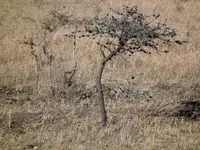
Whistling thorn, Vachellia drepanolobium, is a small to medium-sized African tree known for its paired white thorns and swollen, hollow thorn bases that often house ants. It forms dense, spiny thickets on dry savanna and open grasslands, especially in East Africa, and is adapted to poor, rocky, or compacted soils.

The plant is drought-tolerant, slow to moderate in growth, and strongly sun-loving, which can make it challenging outside warm, arid or semi-arid climates. Its spines and symbiotic ants are key traits to understand when planning how to care for whistling thorn.

It generally prefers full sun, low to moderate moisture, and very well-drained, sandy or gravelly soil when grown in cultivation.

Main Plant Requirements

Care Difficulty

Moderate Care

Light Preference

Full Sun

Water Requirements

Low Water

Temperature Preference

Tropical / Frost Sensitive

Hardiness Zone

10–11

Soil Texture

Sandy, Loamy, Rocky

Soil pH

Slightly acidic (6.5–7.0), Slightly alkaline (7.0–7.5)

Soil Drainage

Well-drained

Fertilization

Minimal (feed rarely)

Get Personalized Care Plan

Scan your plant to receive care tips personalized for your specific plant

Available on iOS and Android

How to Care for the whistling thorn

This East African savanna shrub thrives in strong, direct light typical of open, arid habitats.

  • Provide full sun for 8–10 hours per day; unobstructed exposure suits whistling thorn best in most outdoor sites.
  • Plant in a position with morning to mid-afternoon sun; light, shifting shade from sparse trees is tolerated, but dense shade slows growth and reduces thorn and swelling development.
  • In cooler or cloudy seasons, ensure maximum sun access; in very hot inland summers, minimal late-afternoon shade limits leaf scorch on young plants.

This drought-adapted species prefers infrequent, deep watering and fast-drying soil.

  • Use a gritty, very well-drained soil; after establishment, allow the top 5–8 cm to dry completely before any supplemental watering.
  • In the first 1–2 growing seasons, water deeply when foliage begins to look slightly dull or leaflets fold earlier in the day, then let the soil dry again.
  • Reduce or stop irrigation during cool or dormant periods; yellowing leaves, soft stems, or sour-smelling soil indicate overwatering in Vachellia drepanolobium.

This plant is adapted to warm, dry climates with hot days and mild, largely frost-free nights.

  • Aim for an active growing range of 70–90°F (21–32°C); growth slows but usually remains stable between 60–70°F (16–21°C).
  • Tolerates brief heat spikes up to about 100–105°F (38–41°C) if soil is not waterlogged, but prolonged extreme heat with high humidity can stress foliage.
  • Protect from frost; damage can occur below 32°F (0°C), with serious injury or death likely under about 25°F (-4°C), especially for young plants.

This species is adapted to very dry air, so humidity is rarely a concern in cultivation.

This drought-adapted shrub prefers lean, rapidly draining, often sandy soils.

  • Use a gritty mix such as 50–70% coarse sand or fine gravel blended with a low-organic loam.
  • Ensure sharp drainage; water must pass through the root zone quickly without pooling around the roots.
  • Keep pH mildly acidic to slightly alkaline, around 6.5–8.0, as Vachellia drepanolobium tolerates calcareous substrates.
  • Avoid dense, peat-heavy, or compacted mixes that hold water, and never allow the soil to stay constantly wet.

This species can be grown in containers, mainly for young plants or specialized collections rather than long-term display.

  • Choose a deep, heavy container that resists tipping, since the woody top growth and thorns can make the plant top-heavy over time.
  • Use a pot material like unglazed clay if faster moisture loss is desired in cooler or wetter climates to mimic arid conditions.
  • Raise the container on feet or spacers so drainage holes stay clear and water exits quickly from the root zone.

This drought-adapted tree needs minimal feeding, especially when grown in native-like, low-nutrient soils.

  • Apply a light top-dressing of compost once in spring if growth is very poor or soil is extremely sandy.
  • For container plants, use a balanced, slow-release NPK fertilizer at 1/2 strength at the start of the warm growing season.
  • Avoid summer overfeeding; excess nutrients reduce stress tolerance and can cause weak, lush growth.
  • Do not fertilize whistling thorn during cool dormant periods; stop feeding in late summer or early fall.

Pruning Vachellia drepanolobium is mainly corrective, aimed at maintaining structure and safety rather than shaping.

  • Carry out pruning at the end of the dry or cool season, before vigorous new growth begins.
  • Remove dead, diseased, crossing, or storm-damaged branches using clean, sharp bypass pruners or a small saw.
  • Thin crowded interior shoots to improve light penetration and airflow, keeping the tree’s natural form.
  • Limit cuts to smaller branches; heavy structural removals can stress the tree and slow recovery.

This species is mostly field-grown, so management focuses on careful transplanting rather than frequent repotting.

  • Transplant young trees in late winter to early spring when temperatures are mild and soil is workable.
  • Look for roots circling the container, very slow growth, or repeated drying as signals a container plant needs a larger pot or ground planting.
  • Handle the root ball gently, loosening only the outer circling roots; avoid breaking the central root mass.
  • Water deeply after transplanting, then keep soil just moist for several weeks to reduce root stress and support establishment.

Reproduction of Vachellia drepanolobium is typically done from seed, while vegetative methods are less common and more demanding.

  • Collect mature pods in the dry season and extract seeds once fully brown and dry.
  • Scarify hard seed coats lightly with sandpaper or a brief hot-water soak to improve germination.
  • Sow in a warm (70–80°F), bright location using a sharply draining, sandy mix kept just slightly moist.
  • Semi-hardwood cuttings are possible under high humidity and bottom heat, but success rates are often low.

This arid-climate tree is sensitive to prolonged frost and benefits from targeted winter protection in cooler regions.

  • In mild, frost-free climates, no special winter care is usually required once trees are established.
  • In areas with light frost, apply a dry mulch layer 5–8 cm thick around the root zone, keeping it off the trunk.
  • Move container-grown plants indoors or into a bright, frost-free greenhouse before temperatures drop near 32°F.
  • Use breathable fabric covers on young outdoor trees during cold snaps, removing them once temperatures rise.

Care Tips

Encourage Stable Trunk

Expose young plants to steady air movement and occasional, controlled bending of the main stem by hand to promote a thicker, more wind-resistant trunk for long-term landscape use.

Thorn Management Strategy

In high-traffic areas, selectively thin lower and inward-facing thorns with clean, sharp pruners to reduce injury risk while keeping upper canopy thorns that support the plant’s natural defense and structure.

Root System Direction

When planting out, gently spread and orient the main roots outward and slightly downward in a wide planting hole to encourage a deep, drought-resilient root system rather than circling roots near the surface.

Controlled Seed Production

If unwanted seedlings are a concern, remove developing pods before they fully mature and dry, which limits self-seeding while still allowing the plant to flower and support pollinators.

Gradual Drought Hardening

Over the first 1–2 growing seasons, increase the interval between deep waterings stepwise rather than suddenly to train the plant’s roots to explore deeper soil layers and improve long-term drought tolerance when growing whistling thorn.

Common Pests and Diseases

Ant mutualist imbalance

This condition occurs when the normal ant species living in the swollen thorns is replaced or outcompeted by less protective ants, weakening the plant’s natural defense system. Symptoms include more visible herbivore damage on leaves and young shoots.

Solution

Encourage a stable ant population by avoiding broad-spectrum insecticides near the plant and limiting disturbance of nesting thorns. In cultivation, tolerate the natural ant partners where possible, and if the original ant colony is lost, reduce additional stress (drought, pruning) so the plant can recover leaf area even with reduced protection.

Herbivory damage

These injuries are caused by large browsing animals such as giraffe, antelope, or livestock feeding on leaves and shoots, which can suppress growth or deform the canopy. Symptoms include heavily stripped foliage, broken young branches, and repeated loss of new growth.

Solution

Protect young or cultivated plants with physical barriers such as fencing or thorny brush until stems harden and can better tolerate browsing. In agricultural or restoration settings, manage grazing pressure and rotate livestock to reduce repeated heavy feeding on the same trees, which supports long-term growing whistling thorn in mixed-use landscapes.

Galling insects

These insects induce abnormal swellings or galls on leaves and young stems when they feed or lay eggs, which can distort growth and reduce photosynthesis. Symptoms include localized, often rounded swellings that may house insect larvae inside.

Solution

Prune out and destroy heavily galled twigs and leaves before insects emerge, and maintain tree vigor with appropriate watering and reduced mechanical stress. In planted or research stands, monitor for recurring gall formation and, if severe, use targeted, locally recommended systemic treatments during early gall development to limit new infestations.

Scale insects

This pest attaches to stems and sometimes leaves, sucking sap and excreting honeydew that can lead to sooty mold growth. Symptoms include small, rounded or oval bumps on twigs, sticky residues, and patches of black fungal growth on affected surfaces.

Solution

Physically remove light infestations by rubbing or brushing scales off stems, or by pruning heavily infested twigs. For persistent problems, apply a horticultural oil or insecticidal soap thoroughly to branches during cooler parts of the day, repeating as needed according to product directions to disrupt the scale life cycle.

Sooty mold

This disease is caused by fungi growing on the sugary honeydew left by sap-feeding insects such as scale and aphids, forming dark coatings on leaves and stems. Symptoms include black, soot-like films that can reduce light reaching the leaf surface and slow growth.

Solution

First control the honeydew-producing insects through physical removal and targeted treatments like horticultural oils or insecticidal soaps. Once the insect source is reduced, gently wash affected foliage with water and a mild, non-detergent soap solution to remove fungal deposits and improve light penetration.

Interesting Facts

Ant-built swollen thorns

This species forms large, hollow thorns that serve as domatia, small living chambers, for symbiotic ants that nest and raise brood inside them.

Three distinct ant partners

In its native East African savannas, it commonly associates with several specific ant species, each defending the tree differently and influencing its branching, spine length, and growth form.

Key engineer of black cotton soils

The tree is strongly associated with heavy, cracking black cotton soils, where its dense stands shape local grass composition, fire regimes, and large herbivore use of the landscape.

Botan icon

Did you know?

Genetic studies show that this whistling thorn and its associated ants form a tightly linked coevolutionary system, where changes in the plant’s defensive traits and thorn structure are matched over time by shifts in ant species behavior, colony structure, and competitiveness on the same individual trees.

FAQs about whistling thorn

Container growing is possible while the plant is young, using a deep pot, very gritty mix, and strong light. Long, woody roots and size make it a short- to medium-term container subject rather than a lifelong potted tree.

Grow Healthy Plants with Botan Care

Keep your plants happy and healthy with plant identification, disease detection, and easy care guidance.

Botan plant care app — identify plants on mobile

Explore More Plants