Is Magic Mushroom Toxic?Psilocybe cubensis

Toxic to Pets & Humans
  • HumansModerate
  • CatsModerate
  • DogsModerate
Toxic compound
psilocybin, psilocin
Toxic parts
cap & stem
Psilocybe cubensis Toxicity

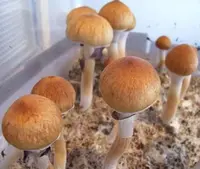
The golden cap mushroom (Psilocybe cubensis) is toxic to humans, cats, and dogs. Both the cap and stem contain psilocybin and psilocin. Eating either part can cause poisoning, with effects that vary depending on the exposure.

GroupToxicityShort answer
Humans
Toxic
Toxic

Eating the cap or stem can cause hallucinations, changing how a person perceives their surroundings.

Cats
Toxic
Toxic

Chewing and swallowing the cap or stem can affect brain function and cause changes in behavior.

Dogs
Toxic
Toxic

Eating the cap or stem can cause loss of coordination, making standing or walking difficult.

Psilocybe cubensis contains psilocybin and psilocin, compounds that affect signaling in the brain. The body converts psilocybin into psilocin, which activates serotonin receptors, proteins involved in nerve communication, altering perception and other nervous system functions.

Exposure occurs when people or pets eat the mushroom, whether fresh or dried. Its toxin-bearing tissues belong to the fungal fruiting body, not to leaves or other true plant structures.

Plant partContains toxinDetails
Cap
Contains toxin: Yes
Yes

The cap contains psilocybin and psilocin. Eating this part exposes people or pets to these compounds.

Stem
Contains toxin: Yes
Yes

Psilocybin and psilocin are documented in the stem, so swallowing stem tissue is also a route of exposure.

After Psilocybe cubensis is eaten, effects can involve both physical function and perception. The presentation varies between individuals, and documented signs differ between people and dogs.

AreaSymptoms
Nervous system

Hallucinations, altered perception, anxiety, and confusion.

Digestive system

Nausea, vomiting, and abdominal discomfort.

Eyes

Dilated pupils and blurred vision.

Dogs

Unsteady walking, loss of coordination, or seizures.

Fresh or dried magic mushrooms need controlled storage and careful cleanup to prevent accidental eating during handling or disposal.

  1. Secure Stored Mushrooms

    Store fresh or dried Psilocybe cubensis in a closed, clearly labeled container inside a locked cabinet, away from children, cats, and dogs.

  2. Separate From Edible Mushrooms

    Keep caps and stems separate from edible mushrooms and other foods. Avoid food packaging or unlabeled containers that could lead to mistaken identification.

  3. Collect Cap and Stem Fragments

    After handling, check the work surface and floor for cap and stem fragments. Collect scraps in a closed waste container inaccessible to children and pets.

Name Your Mystery Plant, Assess Household Risks

Find plant matches from photos in Botan App and review available toxicity information for humans and pets.

A child and a cat next to a houseplant

FAQ

Yes, cooking does not reliably eliminate its toxicity. Heat may reduce some psilocybin or psilocin, but ordinary cooking cannot be relied on to remove these compounds. Cooked caps and stems are not safe to eat.

Everything About penis envy mushroom

More Plant Toxicity Guides

Solve a Houseplant Mystery by Photo

Put a name to unfamiliar plants with Botan App’s photo identification.

Botan app checking whether a plant is toxic
How Long Can Flowers Go Without Water? Everything You Need to Know

6 min read · 10 Jul 2026

How Long Can Flowers Go Without Water? Everything You Need to Know

Flowers can survive without water anywhere from 1-2 hours to several months, depending on the plant type, species, and growing conditions. Some strong-looking flowers are drought-sensitive, while delicate-looking plants may tolerate long dry periods surprisingly well.

Plant Care
How Long Can Flowers Go Without Water? Everything You Need to Know
Best Time to Plant Grass Seed: When to Seed Your Lawn

6 min read · 19 Nov 2026

Best Time to Plant Grass Seed: When to Seed Your Lawn

The best time to plant grass seed depends on your climate and grass type. Cool-season lawns establish best in late summer or early fall, while warm-season grasses perform best once soil warms in late spring or early summer.

Plant Care
Best Time to Plant Grass Seed: When to Seed Your Lawn
Top 15 Plants That Don’t Need Sunlight

8 min read · 17 Sept 2026

Top 15 Plants That Don’t Need Sunlight

Some plants thrive in dim rooms, shaded corners, and places with indirect light. In this guide, you’ll explore the top 15 species best suited to low-light conditions and how to care for them.

Plant Recommendations
Top 15 Plants That Don’t Need Sunlight