Mulch Root Zone
Apply a 5–8 cm layer of pine bark or pine needle mulch over the root zone each spring, keeping it 5 cm away from the stems to stabilize soil moisture and temperature while preserving the shallow feeder roots.

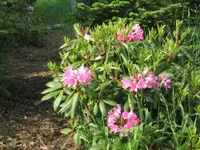
Catawba rhododendron (Rhododendron catawbiense) is an evergreen shrub known for its dense, rounded form and large clusters of purple to lavender spring flowers. It typically has leathery, dark green leaves that provide structure and color even when the plant is not in bloom.
This species is native to the Appalachian Mountains in the eastern United States, where it grows in cool, moist, partly shaded woodland slopes. It is considered relatively hardy and adaptable, but it dislikes hot, dry, or exposed sites.
It prefers acidic, well-drained, humus-rich soil and consistent moisture without waterlogging. Understanding these basic conditions makes it easier to care for Catawba rhododendron in home landscapes.

Care Difficulty
Moderate Care

Light Preference
Partial Shade

Water Requirements
Keep Soil Moist

Temperature Preference
Cold Hardy

Hardiness Zone
4–8

Soil Texture
Loamy, Peaty, Organic-rich

Soil pH
Strongly acidic (4.5–5.5), Acidic (5.5–6.5)

Soil Drainage
Moist but well-drained

Fertilization
Minimal (feed rarely)
Scan your plant to receive care tips personalized for your specific plant
Available on iOS and Android
This shrub prefers bright, cool conditions with protection from harsh midday sun.
Moist, cool, well-drained soil is essential for healthy rhododendron roots.
This species is cold hardy yet still benefits from stable, moderate temperatures during active growth.
This species prefers moderately moist air and reacts if humidity is too low or fluctuates sharply.
Rhododendron catawbiense requires loose, acidic, consistently moist but sharply drained soil for reliable growth.
This shrub can be grown in containers if the pot supports its shallow, wide root system and top-heavy crown.
This shrub benefits from light, targeted feeding but is sensitive to excess nutrients and high salts.
Rhododendron catawbiense needs only light, thoughtful pruning to maintain structure and flowering.
This rhododendron is usually grown in the ground, with transplanting done infrequently and with care.
Propagation of this species is moderately demanding but feasible for patient gardeners.
This species is quite cold hardy but benefits from basic winter care in exposed sites or containers.

Plant Health Check
Not sure what's wrong with your plant? Check your plant's health inside the app.
This species is naturally native to high-elevation ridges and cloud forests of the southern and central Appalachian Mountains, where it forms dense thickets on cool, moist, acidic slopes and rocky outcrops.
Plant breeders have long used this species as a parent in cold-hardy evergreen rhododendron hybrids, because it combines showy flower trusses with strong frost tolerance and reliable winter leaf retention.
In cold weather this species curls and droops its evergreen leaves, a reversible response that reduces exposed surface area and helps limit water loss and freezing damage during winter cold snaps.

In several Appalachian high-elevation habitats, dense stands of this species create nearly continuous evergreen shrub layers that strongly filter light, shaping a distinct understory community and providing important year-round cover for birds and small mammals.
Lack of flowering is often due to pruning at the wrong time, frost-damaged buds, or excess nitrogen fertilizer. Heavy shade and drought stress also reduce bud formation. Protect developing buds and avoid pruning after late spring flowering.
Keep your plants happy and healthy with plant identification, disease detection, and easy care guidance.