Mulch Root Zone
Apply a 5–8 cm layer of pine bark or pine needle mulch around the drip line, keeping it a few cm away from the stems, to keep the shallow roots cool, moist, and protected from temperature swings.

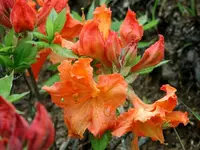
Japanese azalea, Rhododendron japonicum, is a deciduous shrub grown mainly for its showy spring flowers. It forms a compact, branching shape with clusters of funnel-shaped blooms in vivid shades of orange, red, or pink. Leaves are medium green, turning attractive colors in autumn before dropping. In the wild, it occurs in mountainous regions of Japan, often in cool, moist forests and open slopes. The plant can be moderately demanding, as it prefers acidic, well-drained soil and steady moisture without waterlogging. Good light, protection from harsh afternoon sun, and attention to soil pH are key when learning how to care for Japanese Azalea.

Care Difficulty
Moderate Care

Light Preference
Partial Shade

Water Requirements
Keep Soil Moist

Temperature Preference
Cool Climate

Hardiness Zone
5–8

Soil Texture
Loamy, Peaty, Organic-rich

Soil pH
Strongly acidic (4.5–5.5), Acidic (5.5–6.5)

Soil Drainage
Moist but well-drained

Fertilization
Light (every 4–6 weeks)
Scan your plant to receive care tips personalized for your specific plant
Available on iOS and Android
This shrub prefers bright, gentle light with protection from harsh midday sun.
Consistent, slightly moist soil is important for healthy growth.
This species prefers cool to mild conditions and dislikes temperature extremes.
This species prefers consistently moist air and reacts quickly to very dry conditions.
Rhododendron japonicum needs acidic, airy, moisture-retentive soil that never becomes waterlogged.
This shrub is suitable for container growing in cool to mild climates.
Rhododendron japonicum benefits from modest, carefully timed feeding in acidic soil.
Rhododendron japonicum responds well to light, timed pruning that maintains shape and flowering.
Rhododendron japonicum is often grown in the ground, but container plants or young shrubs may need occasional transplanting.
Rhododendron japonicum is typically propagated vegetatively to maintain flower and growth characteristics.
This deciduous azalea is generally cold hardy but benefits from some winter preparation, especially in exposed sites.

Plant Health Check
Not sure what's wrong with your plant? Check your plant's health inside the app.
This species is a deciduous azalea native to Japan, shedding its leaves in winter, unlike many evergreen rhododendrons, and forming loose, upright shrubs typically 60–150 cm tall in the wild.
Flower buds often show deeper orange or reddish tints that open to bright orange or orange-yellow blooms in late spring, creating a brief but very intense flowering display before the new foliage fully expands.
In Japan and in cultivation, this species readily hybridizes with related azaleas, and it has been used as a genetic parent in many garden azalea cultivars valued for their strong orange flower color and cold tolerance.

In parts of its native range in Japan, this azalea is a characteristic component of sunny, open grasslands and forest margins on volcanic or acidic soils, and its dense spring flowering has made it an important indicator species for seasonal landscape change in some traditional nature calendars.
Lack of flowers usually comes from pruning after buds form, low light, or nutrient imbalance. Avoid heavy pruning after early summer, provide bright but not harsh light, and use an acid-forming fertilizer balanced in phosphorus.
Keep your plants happy and healthy with plant identification, disease detection, and easy care guidance.