wild crab apple Care (Peraphyllum ramosissimum)

wild crab apple

About wild crab apple

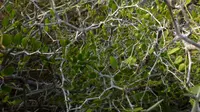
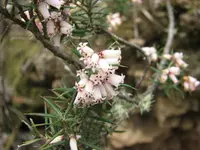
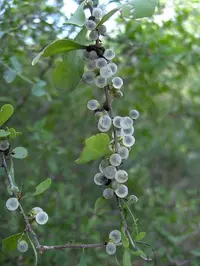
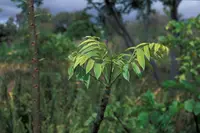
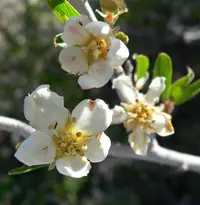
Wild crab apple, Peraphyllum ramosissimum, is a small deciduous shrub or tree in the rose family, related to apples and hawthorns. It typically has a rounded, branching form with small, simple leaves and clusters of white to pale pink spring flowers.

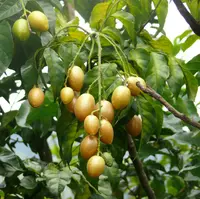
This species is native to arid and semi-arid regions of the western United States, often found on rocky slopes and open woodland edges. It produces small, firm fruits that are attractive to wildlife but usually too astringent to eat fresh.

Its natural tolerance for poor, dry soils and variable moisture makes it relatively resilient once established, though it grows slowly. Understanding how to care for wild crab apple starts with providing full sun, well-drained soil, and minimal summer water after establishment.

Main Plant Requirements

Care Difficulty

Moderate Care

Light Preference

Full Sun

Water Requirements

Moderate Water

Temperature Preference

Cold Hardy

Hardiness Zone

5–9

Soil Texture

Loamy, Sandy, Rocky

Soil pH

Acidic (5.5–6.5), Slightly acidic (6.5–7.0)

Soil Drainage

Well-drained

Fertilization

Minimal (feed rarely)

Get Personalized Care Plan

Scan your plant to receive care tips personalized for your specific plant

Available on iOS and Android

How to Care for the wild crab apple

This mountain shrub thrives in full sun but accepts some light shade, especially in hot regions.

  • Provide 6–8 hours of direct sun daily; morning sun with light afternoon shade limits leaf scorch in hotter climates.
  • Tolerates partial shade (3–4 hours direct sun) but flowering and fruiting of wild crab apple relatives decline as shade increases.
  • Avoid deep shade, which leads to lanky growth and sparse blooms; in winter, unobstructed sun helps ripen wood and improve cold resilience.

This species is adapted to dry, well-drained sites and prefers infrequent, deep watering once established.

  • Allow the top 5–8 cm of soil to dry before watering; soil should feel dry and loose, not cool and sticky, at finger depth.
  • During the first 1–2 growing seasons, water deeply when leaves start to dull or slightly droop, then reduce frequency as roots extend.
  • Avoid overwatering and heavy clay; persistent soggy soil, yellowing leaves, and dieback of new shoots indicate excess moisture stress for Peraphyllum ramosissimum.

This hardy shrub tolerates a wide temperature range but performs best in moderate seasonal climates.

  • Active growth is strongest around 60–80°F (16–27°C); flowering and fruiting are reliable where warm summers follow cold winters.
  • Dormant wood typically tolerates winter lows near -10°F (-23°C) once established, but young plants benefit from protection below 10°F (-12°C).
  • Heat tolerance extends to about 90–95°F (32–35°C) with sufficient soil moisture; prolonged hotter periods increase stress, so reduce other stresses such as pruning and transplanting.

This shrubby species tolerates a wide humidity range and usually needs no special adjustment in typical outdoor conditions.

This species prefers well-drained, moderately fertile mineral soils similar to its native dry slopes.

  • Use a sandy or gravelly loam with 20–30% coarse sand or small grit to mimic rocky habitat and prevent waterlogging.
  • Aim for slightly acidic to neutral pH around 6.0–7.2, avoiding strongly alkaline or highly amended peat-heavy mixes.
  • Incorporate a modest amount of compost (10–20%) for structure and nutrients without making the substrate dense or water-retentive.
  • Avoid compacted clay and any mix that stays wet longer than 1–2 days after rain or irrigation to protect the root system of Peraphyllum ramosissimum.

This species can be grown in containers, but it performs best when the pot closely reproduces its deep, free-draining natural substrates.

  • Select a tall, deep container to give the woody root system room to anchor and reduce tipping in strong wind.
  • Choose a heavy, non-porous pot (ceramic or thick-walled) so the shrub remains stable as top growth becomes woody and spreading.
  • Elevate the container slightly on feet or pavers so drainage holes stay clear and runoff leaves the root zone quickly, especially after heavy rain.

Peraphyllum ramosissimum is a tough, slow-growing wild crab apple relative that needs only modest fertilization in average garden soil.

  • Apply a light top dressing of compost or well-rotted manure once in early spring to support steady growth.
  • In poorer soils, use a balanced slow-release fertilizer (around 10-10-10) at label rate once in spring.
  • Avoid mid-summer and late-season feeding to prevent soft growth that may not harden before winter.
  • Do not exceed recommended strength; overfertilization increases pest and disease issues more than growth.

Peraphyllum ramosissimum benefits from light structural pruning to maintain a healthy, open crown.

  • Carry out main pruning in late winter to very early spring, before buds break.
  • Remove dead, diseased, crossing, or storm-damaged wood first, cutting back to healthy tissue.
  • Thin crowded interior branches to improve light and air movement, which supports better flowering and reduces disease.
  • Use clean, sharp bypass pruners or loppers, making smooth cuts just outside the branch collar.

This species is usually grown in the ground; focus on careful transplanting of young trees rather than frequent repotting.

  • Transplant in late fall or early spring when the tree is dormant and soil is workable.
  • Look for signs such as roots circling a nursery container or stunted growth as cues to move it up one pot size or into the ground.
  • Dig a wide planting hole, keep the root flare at soil level, and backfill with native soil rather than rich mixes.
  • Water thoroughly after planting, then maintain consistent moisture and a light mulch to reduce root stress during establishment.

Peraphyllum ramosissimum is usually propagated from seed, which requires patience and proper cold treatment.

  • Collect ripe fruit, clean the seeds, and sow them in fall outdoors or into pots kept in a cold frame.
  • If sowing later, give seeds cold stratification at 34–41°F for 2–3 months in moist medium to break dormancy.
  • Use a well-drained, slightly gritty mix and keep it evenly moist, not waterlogged, until germination.
  • Grow seedlings in bright light with moderate moisture, then harden off before planting out.

This cold-hardy species generally needs minimal winter care once established in the landscape.

  • In regions with severe freezes, add a 5–8 cm layer of mulch around the root zone, keeping it away from the trunk.
  • Young or recently transplanted trees benefit from burlap windbreaks in very exposed sites.
  • Container-grown specimens in colder zones should be moved to a sheltered, unheated but frost-moderated area.

Care Tips

Site for Airflow

Choose an open, slightly elevated planting site with good air movement to reduce fungal leaf spots and fruit rots, especially in regions with wet springs.

Deep Structural Rooting

In the first 2–3 years, encourage deep rooting by watering less often but for longer durations and avoiding cultivation deeper than 5–8 cm around the drip line to prevent root damage.

Trunk Protection

Install a light-colored tree guard or wrap on young trunks in late fall to prevent sunscald and rodent damage, removing or loosening it each spring as the stem expands.

Bloom Frost Management

In frost-prone areas, avoid low pockets where cold air settles and, for high-value specimens, use breathable row cover fabric on forecast freeze nights to protect blossoms and young fruitlets.

Habitat-Based Pest Control

Use a diverse planting with native flowering shrubs and groundcovers nearby to support beneficial insects, which helps reduce aphid and caterpillar pressure when growing wild crab apple in mixed plantings.

Common Pests and Diseases

Fire blight

This disease causes sudden shoot wilting, blackened leaves and twigs, and a scorched appearance on young growth and blossoms. Symptoms include shepherd’s crook bending of new shoots and oozing, amber-colored bacterial exudate in humid conditions.

Solution

Prune out infected shoots 20–30 cm below visible symptoms during dry weather, disinfecting tools between each cut with 10% bleach or 70% alcohol, and destroy all prunings. Avoid high-nitrogen fertilization, reduce overhead watering, and choose open, sunny planting sites to improve airflow and lower humidity, which helps limit fire blight spread as part of sound Peraphyllum ramosissimum care instructions.

Powdery mildew

This disease produces white to gray powdery patches on leaves, young stems, and sometimes fruit, which can lead to leaf distortion and premature drop. Symptoms include reduced vigor and a dull, dusty look on affected foliage.

Solution

Thin crowded branches to improve light and air penetration, avoid overhead irrigation in the evening, and promptly remove heavily infected leaves or shoots. In home landscapes, use preventive sulfur or potassium bicarbonate sprays according to label directions when new growth emerges or at the first sign of infection, repeating as needed in dry, warm conditions that favor powdery mildew.

Aphids

These insects cluster on young stems and leaf undersides, sucking sap and causing curled, sticky leaves due to honeydew deposits. This pest can attract sooty mold fungi and may deform new growth and flower clusters.

Solution

Dislodge colonies with a strong stream of water from a hose, repeating every few days until populations drop, and encourage natural enemies such as lady beetles by avoiding broad-spectrum insecticides. For persistent infestations, apply insecticidal soap or a light horticultural oil, coating leaf undersides and tender shoots thoroughly while avoiding application during high heat above about 85°F.

San Jose scale

This pest forms small, gray to brown, crust-like bumps on bark, twigs, and sometimes fruit, weakening plants by continuous sap removal. Symptoms include branch dieback, poor growth, and rough, speckled patches on bark where scales cluster densely.

Solution

Prune out and destroy heavily infested twigs and branches to reduce scale numbers and open the canopy. During late winter dormancy, apply a horticultural oil spray to thoroughly coat bark and twigs, and in-season, monitor for crawlers using sticky tape and treat these mobile stages with targeted horticultural oil or insect growth regulator products labeled for scale on pome fruits.

Interesting Facts

Monotypic genus relative

Peraphyllum ramosissimum is the only species in the genus Peraphyllum, yet it belongs to the same subtribe as domesticated apples and pears, reflecting a unique but close evolutionary relationship within the rose family Rosaceae.

Mountain steppe specialist

This shrub is naturally restricted to dry, open habitats in the interior western United States, where it grows on rocky slopes, sagebrush steppe, and pinyon–juniper woodlands, tolerating cold winters and low to moderate moisture.

Wildlife food resource

Its small, apple-like fruits are eaten by birds and mammals, and the dense, twiggy branches provide shelter, so the shrub plays a modest but consistent role in local mountain and high-desert food webs.

Botan icon

Did you know?

Peraphyllum ramosissimum is considered a relict species, meaning it is a surviving member of an ancient lineage that has largely disappeared, which makes it of particular interest for studies on the evolution and biogeography of the rose family in western North America.

FAQs about wild crab apple

The small fruits are edible but very tart and astringent when raw. They are more suitable for jellies, sauces, and preserves. Always confirm identification in the wild and avoid fruit from polluted roadsides or sprayed areas.

Grow Healthy Plants with Botan Care

Keep your plants happy and healthy with plant identification, disease detection, and easy care guidance.

Botan plant care app — identify plants on mobile

Explore More Plants