

6 min read · 19 Aug 2026
How to Tell if a Plant Is Dead
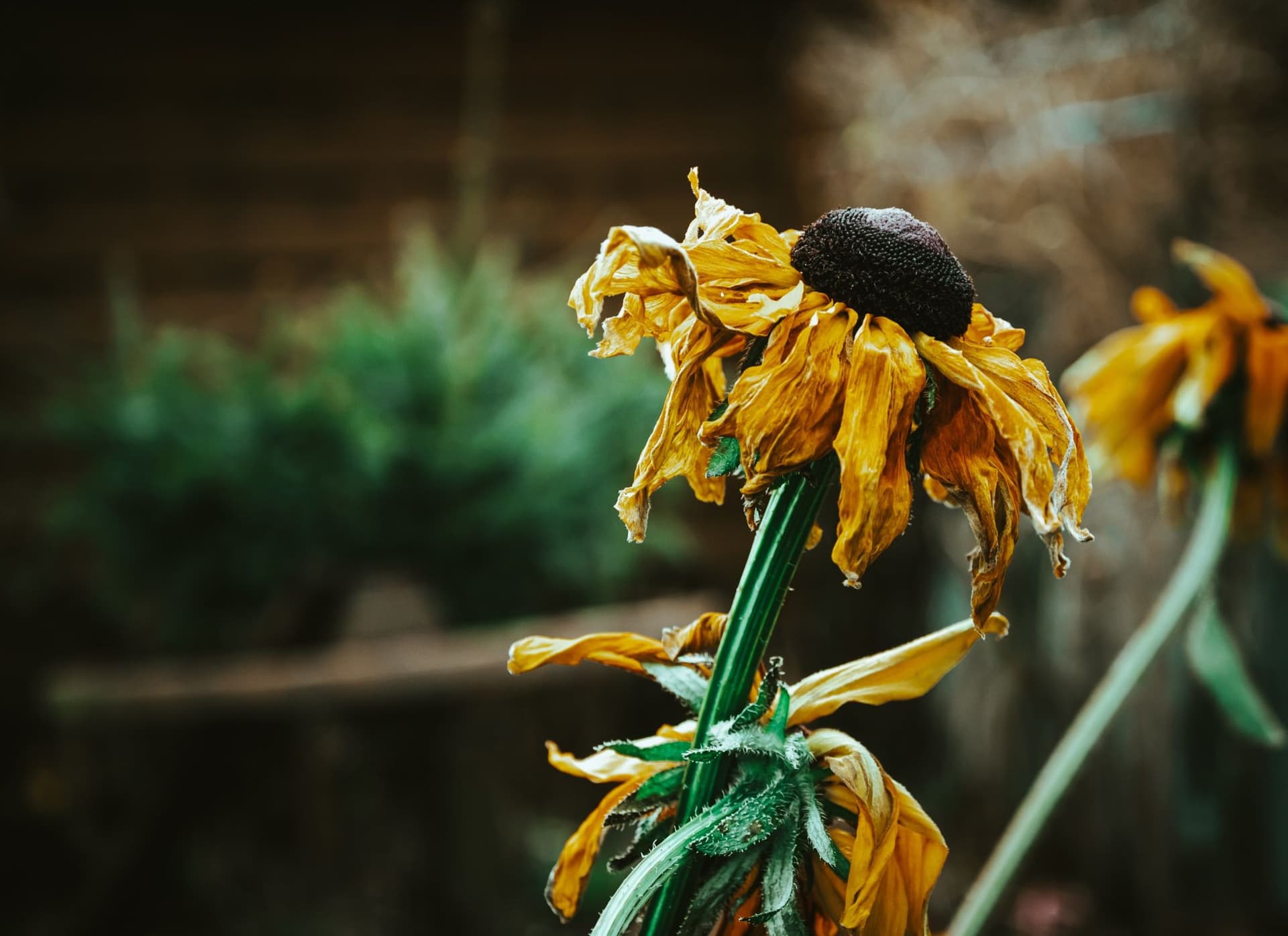
A plant can lose its leaves, stop growing, or collapse and still remain alive. A closer look at the stems, roots, bulbs, and tubers can show whether the plant still has a chance to recover.

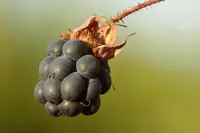
Recognize Dewberry by its low, trailing canes, leaves divided into three broad leaflets, and berry clusters coated with a pale bluish wax. Stems usually arch close to the ground rather than forming upright thickets.
Flowers have five petals and are borne singly or in small groups on short side shoots.

Take or upload a photo to confirm your plant ID with Botan.
Clear images work best. Avoid photos taken too close or too far away
Use these quick visual checks for Rubus caesius.
Check several canes, leaves, and fruits together, since one trait alone can be misleading.
Rubus caesius shows clear visual shifts from low bramble shoots to flower and fruit.
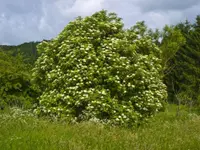
In late spring to summer, Rubus caesius becomes easier to spot when white flowers appear, followed by soft blue-black fruits with a pale waxy coating. Those glaucous berries are one of its clearest seasonal field marks. After leaf drop, the plant is reduced to low, trailing, prickly stems. Winter shows its bramble-like, ground-hugging habit more clearly than the leafy season.
A few brambles are regularly mistaken for Dewberry.
European blackberry(Rubus fruticosus agg.)
Confused because both are thorny brambles with dark berries. European blackberry usually has arching, higher canes rather than low trailing stems, and its ripe fruit is glossy black, not black with a bluish bloom.
stone bramble(Rubus saxatilis)
Confused because it is also a low Rubus with three leaflets. It differs by red fruit made of only a few large drupelets, not a many-drupelet blackberry-type fruit, and by much finer, less robust stems.
Rubus caesius is native across much of Europe and extends into western and central Asia. It is often found in hedgerows, woodland edges, scrub, riverbanks, field margins, and other disturbed ground. This setting is useful for identification because the species commonly appears in lowland, moist to moderately dry edge habitats rather than deep forest or exposed mountain sites. Finding it in brambly thickets along paths, streams, or hedges can help narrow it from less habitat-flexible Rubus species.
Use Botan to identify or confirm the plant from a photo so you can make a more informed decision.
Yes. The fruits are a useful clue in Dewberry identification because the small blackberry-like clusters usually carry a pale bluish waxy bloom. Each fruit is made of relatively few drupelets, often larger-looking and less crowded than in many blackberries.
Identify a plant from a photo with Botan, then review plant details, care information, and common problems for that species.


6 min read · 19 Aug 2026
A plant can lose its leaves, stop growing, or collapse and still remain alive. A closer look at the stems, roots, bulbs, and tubers can show whether the plant still has a chance to recover.

8 min read · 16 Oct 2026
Some plants carry names that sound like jokes. This guide explains the origins of 20 funny plant names. You will also see which of these plants you can grow at home.

11 min read · 29 Jul 2026
Learn which plants can be seriously damaged by Epsom salt and which will thrive on it. We’ll explain when and how to use it properly, provide tips for indoor & outdoor plants — read on and enjoy a healthy garden.