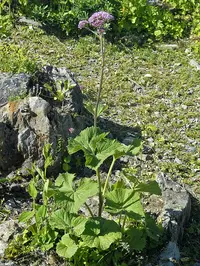
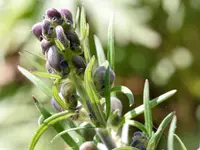
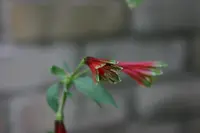
Nodding lady's tresses Care (Spiranthes cernua)

Also known as: nodding ladies' tresses
Nodding lady's tresses

About Nodding lady's tresses

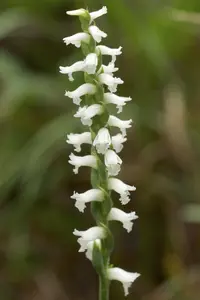
Nodding lady's tresses, Spiranthes cernua, is a small terrestrial orchid native to moist meadows, bogs, and open woodlands in eastern North America. It forms a rosette of narrow leaves at the base. In late summer to fall, it sends up slender spikes lined with small white flowers arranged in a gentle spiral, giving the plant its characteristic nodding look. Plants often appear delicate but are fairly cold hardy in the right conditions. This species can be moderately challenging to grow because it dislikes root disturbance and needs consistently moist, low-fertility, slightly acidic soil. It suits patient growers willing to mimic its natural wetland habitat and learn how to care for Nodding lady's tresses over time.

Main Plant Requirements

Care Difficulty

Hard Care

Light Preference

Partial Sun

Water Requirements

Keep Soil Moist

Temperature Preference

Cold Hardy

Hardiness Zone

4–8

Soil Texture

Loamy, Silty, Organic-rich

Soil pH

Strongly acidic (4.5–5.5), Acidic (5.5–6.5)

Soil Drainage

Waterlogged tolerant

Fertilization

Minimal (feed rarely)

Get Personalized Care Plan

Scan your plant to receive care tips personalized for your specific plant

Available on iOS and Android

How to Care for the Nodding lady's tresses

This terrestrial orchid prefers bright, gentle light that mimics open, moist meadows.

  • Provide 4–6 hours of morning sun with light afternoon shade; eastern or northeastern exposure suits Nodding lady's tresses in garden settings.
  • Allow dappled or filtered light under open shrubs or grasses; avoid intense, unshaded midday sun that can scorch leaves and dry the soil quickly.
  • In summer, increase shade during heatwaves; in cooler months, ensure unobstructed sun so plants store energy for next season’s flowering.

This species favors consistently moist conditions without prolonged flooding.

  • Keep soil evenly moist, never bone dry; in the growing season, water whenever the top 1–2 cm feels just barely damp rather than dry.
  • Use soil or a planting site that drains slowly but does not form standing water for more than 24 hours to protect Spiranthes cernua roots from rot.
  • Reduce watering slightly after flowering and in winter dormancy, but prevent complete drying; wilting, dull foliage signals underwatering, while yellowing, soft roots suggest overwatering.

This hardy orchid tolerates a wide temperature range but grows best in moderate conditions.

  • Aim for 65–80°F (18–27°C) during active growth; these temperatures support steady leaf and root development.
  • Mature plants withstand winter down to about 0–5°F (-18 to -15°C) when in the ground with mulch, but sudden freeze–thaw cycles can damage crowns.
  • In hot spells above 90°F (32°C), provide extra shade and soil moisture; avoid placing plants near heat-reflective surfaces that can overheat roots.

This terrestrial orchid prefers moderately moist air but usually adapts to typical home humidity if the roots are kept evenly damp.

  • Aim for 40–60% humidity, similar to many temperate homes, while prioritizing consistently moist, not waterlogged, substrate.
  • It tolerates slightly dry air, but prolonged very dry indoor heating can dehydrate Nodding lady's tresses foliage.
  • Crisping leaf tips and stalled spikes indicate low humidity or uneven moisture at the roots.
  • Increase humidity locally with a pebble tray under the pot or by grouping plants, rather than misting flowers.

Spiranthes cernua grows best in consistently moist, airy, organic-rich soil that mimics a damp meadow or bog edge.

  • Use a loose mix such as 40% peat or coco coir, 40% fine compost, and 20% perlite or fine bark to hold moisture yet stay aerated.
  • Aim for slightly acidic to neutral pH around 5.5–7.0, which supports nutrient uptake and healthy root growth.
  • Ensure slow, even drainage: soil should feel damp but never remain soupy, with excess water able to drain from the container or bed.
  • Avoid heavy clay, pure sand, or mixes that dry rock-hard, as these restrict roots, reduce oxygen, and increase rot or drought stress risk.

This species can be grown in containers if moisture-retentive, cool root conditions are maintained.

  • Choose a tall, relatively narrow pot to provide depth for the fibrous roots while limiting lateral spread that dries too quickly.
  • Select plastic or glazed ceramic rather than porous clay to slow evaporation and keep the root zone evenly moist.
  • Stabilize the container with a heavy base or outer cachepot so the narrow, flowering spikes are not toppled by wind or handling.

This native orchid benefits from only light, careful feeding in cultivation.

  • Use a balanced, water-soluble fertilizer at 1/4 strength for Nodding lady's tresses during active growth in spring–summer.
  • Feed every 4–6 weeks if growth is modest and leaves are pale, skipping applications if plants grow well on their own.
  • Apply to moist substrate only, never to dry roots, to reduce fertilizer burn risk.
  • Stop feeding in late fall and winter dormancy to avoid stressing resting roots and crowns.

Spiranthes cernua needs minimal pruning, focused mainly on post-bloom cleanup.

  • In late fall or early spring, cut back spent flowering spikes at the base using clean, sharp scissors or snips.
  • Remove only dead, damaged, or diseased foliage to keep the small clumps tidy without stressing the plant.
  • Avoid cutting green leaves heavily, as they support root health and next season’s flowering.
  • Disinfect tools before and after use to limit transmission of fungal or bacterial issues.

This species is more often transplanted in the garden than repotted in containers.

  • Look for dense, congested clumps or poor flowering as signs that division or transplanting is needed.
  • Plan moves for early spring or just after flowering, when temperatures are mild and soil is workable.
  • Expect to divide or relocate every 3–5 years, keeping fans with healthy roots and discarding any rotted tissue.
  • Lift clumps gently, keep roots shaded and moist, replant at the same depth, and water thoroughly to reduce transplant shock.

Division is the most practical method for home propagation of this terrestrial orchid.

  • Divide established clumps in early spring or immediately after flowering, when stress is lowest.
  • Use a clean knife or hand fork to separate small groups of shoots with several healthy roots attached.
  • Replant divisions into moist, well-drained, humus-rich soil, keeping crowns at the same level as before.
  • Seed propagation requires sterile, specialized orchid techniques and is usually reserved for professional growers.

This cold-hardy terrestrial orchid usually needs only modest winter attention in temperate climates.

  • Dormant plants tolerate typical winter frost and snow once well established in the ground.
  • Apply a light mulch layer (2–5 cm of leaves or pine needles) after soil cools to buffer freeze–thaw cycles.
  • For container-grown plants, move pots into a cold, sheltered spot to prevent deep freezing of the root zone.

Care Tips

Mark Dormant Sites

Tag the plant’s location with a durable marker in late fall so you avoid disturbing the underground tuberous roots during dormancy or soil work in spring.

Use Companion Grasses

Plant alongside low, fine-textured native sedges or short grasses to help maintain even soil moisture and root-zone shade without crowding the rosette.

Gentle Mulch Collar

Apply a thin, loose ring of pine needles or fine bark around but not over the crown to stabilize moisture and temperature while preventing rot at the growing point.

Avoid Root Disturbance

When dividing or moving plants, lift large soil plugs rather than bare-rooting, since this orchid resents damage to its fine roots and may skip flowering the next season if disturbed.

Monitor Flower Stalks

Stake tall, late-season spikes in windy, exposed sites and deadhead only after seeds mature if you want natural reseeding and a slowly expanding colony when growing Nodding lady's tresses.

Common Pests and Diseases

Spider mites

This pest feeds on orchid leaves and stems in dry, warm conditions, causing stippling, dull foliage, and fine webbing between leaves and along spikes.

Solution

Increase humidity around the plant, rinse foliage and stems gently with lukewarm water, and wipe with a soft cloth; for heavier infestations, use an insecticidal soap or horticultural oil labeled for orchids, repeating every 7–10 days while monitoring the undersides of leaves.

Aphids

These insects cluster on young growth and flower spikes, sucking sap and causing distorted buds, sticky honeydew, and sooty mold on foliage.

Solution

Remove heavily infested spikes or shoots, then wash remaining stems and leaves with a gentle stream of water; follow with an application of insecticidal soap, making sure to coat all soft tissue and repeating weekly until no new aphids appear.

Slugs and snails

This pest feeds on tender leaves, roots, and flower spikes, leaving irregular holes, shredded margins, and silvery slime trails, especially in moist outdoor or boggy setups.

Solution

Hand-pick at night or early morning, reduce hiding spots such as dense debris around pots, and use iron phosphate slug bait placed away from direct contact with the orchid crowns and roots.

Fungal leaf spots

This disease appears as small water-soaked or dark spots on leaves that can enlarge, merge, and cause yellowing or premature leaf drop under persistently wet, stagnant conditions.

Solution

Remove and discard affected leaves, improve air movement, and avoid overhead watering; if spotting continues, apply a fungicide labeled for ornamental orchids, ensuring leaves dry quickly after treatment and watering only at the substrate level.

Bacterial soft rot

This disease causes rapidly spreading, soft, water-soaked lesions at the leaf base or crown with a foul odor, often starting where water sits for long periods.

Solution

Immediately cut away all affected tissue with sterilized tools and discard it, then keep the crown dry, improve airflow, and avoid water collecting in leaf bases; in early stages, a hydrogen peroxide flush around the affected area followed by drier, cleaner conditions can slow spread, but severely affected plants are best discarded to protect nearby orchids.

Interesting Facts

Late-summer orchid bloomer

This species is unusual among North American orchids because it often flowers very late in the season, with spiraling white flower spikes appearing from late summer into fall when many other wildflowers are already declining.

Self-pollination specialist

Unlike many orchids that depend heavily on insect visitors, this species is capable of frequent self-pollination, which allows it to set seed reliably in isolated or disturbed sites with few pollinators.

Moist-soil habitat preference

In the wild, it typically grows in moist to wet, often slightly acidic soils such as wet meadows, ditches, pond margins, and boggy fields, reflecting its adaptation to periodically saturated conditions.

Botan icon

Did you know?

This orchid produces extremely small, dust-like seeds that lack stored food reserves and rely on a symbiotic relationship with specific soil fungi (mycorrhizae) to germinate and obtain nutrients during the earliest stages of development.

FAQs about Nodding lady's tresses

This species performs best outdoors in cool to mild climates, where it can experience natural temperature shifts and seasonal moisture. Nodding lady's tresses indoor care is challenging long term, so indoor growing is usually temporary or experimental.

Grow Healthy Plants with Botan Care

Keep your plants happy and healthy with plant identification, disease detection, and easy care guidance.

Botan plant care app — identify plants on mobile

Explore More Plants