sago pondweed Care (Stuckenia pectinata)

Also known as: Fennel Pondweed, Fennel Leaved Pondweed, Fennel-leaf Pondweed
sago pondweed

About sago pondweed

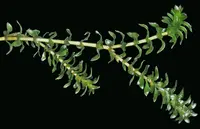
Sago pondweed, Stuckenia pectinata, is a submerged aquatic plant commonly found in ponds, lakes, slow rivers, and irrigation canals. It forms dense underwater stands with long, thread-like leaves and slender, branching stems.

This species is widespread across North America and many other temperate regions, often thriving in both fresh and slightly brackish water. It spreads mainly by rhizomes and tubers, which helps it recover quickly after disturbance.

Sago pondweed is generally hardy and adaptable, but its success depends on stable water levels, adequate light penetration, and moderate nutrient levels. For owners managing naturalistic ponds or wildlife water features, it is relatively straightforward to care for sago pondweed when water quality is kept consistent.

Main Plant Requirements

Care Difficulty

Easy Care

Light Preference

Full Sun

Water Requirements

Aquatic

Temperature Preference

Cold Hardy

Hardiness Zone

3–10

Soil Texture

Sandy, Loamy, Silty

Soil pH

Slightly acidic (6.5–7.0), Slightly alkaline (7.0–7.5)

Soil Drainage

Waterlogged tolerant

Fertilization

Minimal (feed rarely)

Get Personalized Care Plan

Scan your plant to receive care tips personalized for your specific plant

Available on iOS and Android

How to Care for the sago pondweed

This submerged aquatic plant depends on stable, bright conditions rather than direct land-plant style sun exposure.

  • Sago pondweed grows best in full sun to light shade, receiving at least 6–8 hours of unobstructed light hitting the water surface each day.
  • In shallow, clear water, strong midday sun is tolerated; in very shallow or warm ponds, partial shade during hot afternoons helps prevent overheating and algal overgrowth.
  • In turbid or shaded water (overhanging trees, buildings), plant in the brightest available area to avoid weak, sparse stems.

Stuckenia pectinata is fully aquatic and relies on consistent water depth and quality rather than conventional soil watering.

  • Ensure the plant remains completely submerged in ponds, lakes, or slow-moving waterways; exposed stems or dried sediments indicate insufficient water level.
  • Favor low to moderate water movement; strong currents that uproot or bend stems flat signal too much flow, while stagnant, foul-smelling water raises disease risk.
  • Watch for yellowing, collapsing shoots after sudden water-level drops as a sign of stress, and avoid rapid drawdowns, especially during warm months.

This hardy aquatic species tolerates a wide temperature span but grows fastest in moderately warm water.

  • Optimal growth occurs around 68–77°F (20–25°C), with steady, moderate warmth supporting dense, healthy submersed foliage.
  • The plant survives down to about 32°F (0°C) in many climates via overwintering structures, though above-water ice cover and rapid freeze–thaw can damage exposed shoots.
  • Heat tolerance extends to roughly 86–90°F (30–32°C) if water is well-oxygenated; higher temperatures with low oxygen increase stress and can cause dieback.

This submerged aquatic plant does not rely on air humidity, as its leaves stay under water.

Stuckenia pectinata anchors in underwater sediment rather than typical potting soil.

  • Use soft, fine-textured sediment such as sandy or silty loam with moderate organic matter for stable anchoring.
  • Ensure water above the sediment stays clear and well-circulated; avoid thick, anoxic sludge that smells strongly of sulfur.
  • Aim for slightly alkaline to moderately alkaline conditions (pH 7.5–8.5) often found in hard, mineral-rich waters.
  • Limit added compost to a thin layer under sand or fine gravel to prevent nutrient-rich sediment from clouding the water.

This species can be grown in containers as a submerged pond or tub plant.

  • Place a weight or use a wide, heavy container so spreading underwater stems do not tip the setup in wind or surface movement.
  • Use a deep container so sediment stays undisturbed below and stems can lengthen upward without crowding the water surface.
  • Select rigid containers that resist bowing, which helps keep sediment layers stable and prevents fine particles from constantly clouding the water.

This submerged aquatic plant usually grows well without added fertilizer in natural or well-stocked ponds.

Pruning Stuckenia pectinata helps manage spread and maintain open water areas in ponds or lakes.

  • Cut back excess or overcrowded stems during active growth, usually late spring to early fall.
  • Remove floating, damaged, or decaying shoots with long-handled shears to maintain water quality.
  • Thin dense patches to improve water flow, light penetration, and habitat balance.
  • Avoid cutting too close to the sediment to reduce unnecessary disturbance and regrowth stress.

Transplanting this species focuses on managing stands in ponds rather than routine container repotting.

  • Move or thin plants in spring or early summer when water temperatures rise and growth is active.
  • Transplant sections when growth becomes too dense, flow is restricted, or nearby plants are shaded.
  • Lift root crowns and rhizomes gently, keeping sediment around roots to limit shock.
  • Replant at a similar depth in calm, shallow water and avoid sudden water-chemistry changes.

Stuckenia pectinata is commonly propagated for habitat restoration and research rather than home aquaria.

  • Use vegetative fragments or rhizome sections in late spring to midsummer for best establishment.
  • Plant healthy stem pieces with nodes into soft sediment, leaving tips above the substrate.
  • Provide still or slow-moving, nutrient-moderate water with good light for new growth.
  • Seeds can germinate in trays of submerged sediment but need stable water and patience.

This aquatic species is generally cold hardy and needs minimal winter care in outdoor ponds.

  • Rhizomes and dormant structures usually survive freezing conditions in most temperate climates.
  • Allow foliage to die back naturally; remove loose, decaying material to maintain water quality.
  • In shallow artificial ponds, ensure some unfrozen water depth so root zones do not freeze solid.
  • Container-grown stands in small tubs can be moved to a frost-free but cool, bright space.

Care Tips

Segmented planting

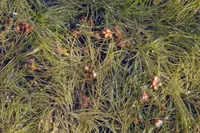
Plant this species in several smaller, spaced-out clumps rather than one dense mass so that water can circulate freely through the foliage and prevent stagnant, low-oxygen pockets in ponds or tanks.

Seasonal biomass thinning

Cut and remove a portion of the stems before peak summer growth to reduce shading, maintain water flow, and limit nutrient uptake that can otherwise starve desired fish or other aquatic plants.

Control via depth

Manage vigor by placing planting baskets or weighted rhizome sections slightly deeper in the water column, since increased depth and lower light naturally slow vertical stem production.

Anchoring with baskets

Use perforated aquatic baskets filled with washed sand or fine gravel to anchor rhizomes, which keeps plants from floating loose and allows easy removal or relocation if they spread too aggressively.

Nutrient load monitoring

Test water for nitrate and phosphate at least once per season and adjust fish stocking, feeding, or runoff control to balance nutrient levels, which makes caring for sago pondweed easier and reduces the risk of explosive overgrowth.

Common Pests and Diseases

Leaf-mining midges

This pest feeds inside submerged leaves, creating translucent streaks and weakening the shoots. Symptoms include thin, pale, blister-like areas along the leaf blades and gradual loss of vigor in dense beds.

Solution

Manage by encouraging water movement and reducing nutrient pollution, which limits explosive midge populations. In managed ponds, periodic mechanical harvesting of heavily damaged stands removes infested tissue, and maintaining fish that feed on insect larvae can help keep numbers in check as part of broader Stuckenia pectinata care.

Aquatic snails

These insects are actually mollusks that graze on soft leaf tissue and young shoots. Symptoms include irregular holes, shredded leaf tips, and slow thinning of sago pondweed patches in shallow or nutrient-rich areas.

Solution

Control by manually removing snails during routine maintenance and avoiding overfeeding fish, which can boost snail numbers through excess organic waste. Introducing or supporting snail-eating fish where appropriate and reducing decaying plant debris will also reduce snail habitat and egg-laying sites.

Filamentous algae overgrowth

This disease is not an infection but a competitive overgrowth, where long stringy algae smother the stems and leaves. Symptoms include dense green mats entangling shoots, reduced light reaching the plant, and eventual dieback of sago pondweed under the growth.

Solution

Manage by cutting back nutrient inputs from runoff and fish waste, increasing water circulation, and manually removing algae mats with rakes or nets before they decay. In larger ponds, using shade from floating plants, careful stocking of algae-grazing fish, and avoiding excessive fertilization help restore balance and allow sago pondweed to recover.

Epiphytic algae coating

This disease-like condition involves fine algae growing directly on leaf and stem surfaces, giving plants a fuzzy or dusty green appearance. Symptoms include dull, less flexible leaves, reduced photosynthesis, and slower growth in clearer, sun-exposed water.

Solution

Control by slightly shading parts of the water surface, improving circulation, and reducing dissolved nutrients from fertilizers and runoff. Periodic cutting and removal of the most heavily coated stems lowers algal load and supports cleaner regrowth from the plant base.

Waterfowl grazing damage

This pest pressure comes from ducks, geese, and swans that pull up entire shoots and uproot rhizomes. Symptoms include suddenly thinned or bare patches, floating fragments, and disturbed sediment around former sago pondweed beds.

Solution

Limit access of large flocks to sensitive pond zones with barrier fencing, plant-free buffer strips, or decoy resting areas away from key stands. In restoration or production settings, use temporary exclosures around new plantings until the beds are well established and can better tolerate moderate grazing.

Interesting Facts

Global saline specialist

This submerged aquatic plant tolerates a wide range of salinities and is one of the few freshwater macrophytes that can form dense stands in brackish and mildly saline waters, including coastal lagoons and estuaries.

Key waterfowl food

Its starchy tubers and seeds are important food for ducks, swans, and other waterfowl, and large flocks often target these underwater storage organs during migration and wintering.

Flexible leaf design

The plant has long, very narrow, thread-like leaves that reduce drag in moving water and help it withstand currents in rivers, drainage ditches, and wave-exposed lake shores.

Botan icon

Did you know?

This species can spread both by seeds and by vegetative fragments such as rhizome pieces and tubers, so broken stems or uprooted plants can drift and establish new colonies far from the original population, making it a highly effective colonizer of disturbed or newly flooded waters.

FAQs about sago pondweed

Growth is usually rapid in warm, nutrient‑rich, still or slow‑moving water. Stems can lengthen several cm per day in peak summer, quickly forming dense underwater stands if not controlled by harvesting or reducing nutrients.

Grow Healthy Plants with Botan Care

Keep your plants happy and healthy with plant identification, disease detection, and easy care guidance.

Botan plant care app — identify plants on mobile

Explore More Plants