



6 min read · 19 Aug 2026
How to Tell if a Plant Is Dead
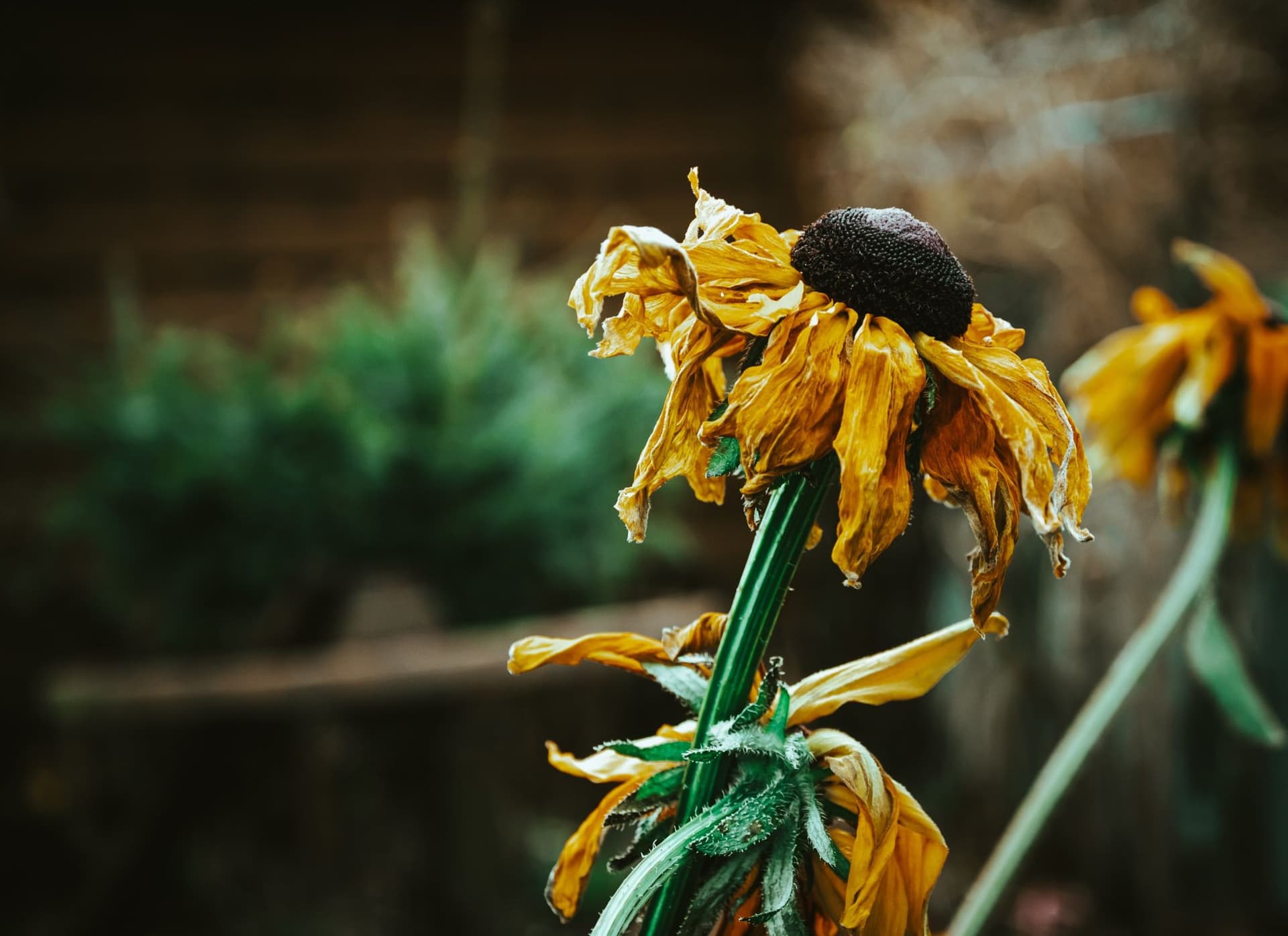
A plant can lose its leaves, stop growing, or collapse and still remain alive. A closer look at the stems, roots, bulbs, and tubers can show whether the plant still has a chance to recover.

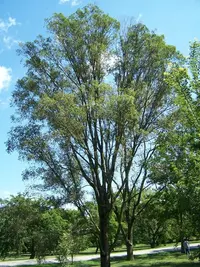
Recognize Siberian elm by its small, alternate leaves, usually 1 to 3 inches (2.5 to 7.5 cm) long, with a pointed tip, sharply toothed edges, and an uneven leaf base.
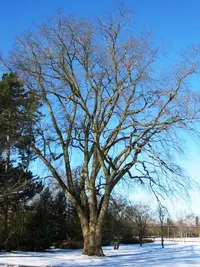
It also has slender twigs and a broad, open crown, often with several main trunks rather than one straight central trunk.

Take or upload a photo to confirm your plant ID with Botan.
Clear images work best. Avoid photos taken too close or too far away
Check the tree’s outline, leaves, and winged seeds.
Use several traits together, especially the small uneven-based leaves and round winged seeds.
Siberian elm shows useful visual differences from seedling form to fruiting branches.
In early spring, Siberian elm flowers before or as leaves emerge. Small, greenish, petalless flower clusters can briefly make twigs look dusty or fuzzy, followed soon by flat, round winged seeds. By fall, leaves turn dull yellow and drop. Winter then reveals the fine, twiggy branching and small buds along slender shoots.
A few elms are regularly mistaken for Siberian elm.
Chinese elm(Ulmus parvifolia)
Often confused because both have small, single, serrated leaves and fine twigging. Chinese elm usually has thicker, shinier leaves and mottled, exfoliating bark; Ulmus pumila more often has duller leaves and bark that stays furrowed rather than patchy.
slippery elm(Ulmus rubra)
Confusion happens when young trees show the same uneven leaf base and elm shape. Slippery elm has much larger, rougher leaves, often 4 to 8 inches (10 to 20 cm) long; Ulmus pumila leaves are usually smaller.
Ulmus pumila is native to a broad area of temperate Asia, including Siberia, Mongolia, northern China, Korea, and parts of the Russian Far East. In its native range it is often found on open slopes, steppe margins, river valleys, and disturbed ground rather than deep forest. That setting can help with identification: a spontaneous elm in dry, exposed, continental landscapes is more consistent with Ulmus pumila than with elms tied to richer woodland or wetter lowlands.
Use Botan to identify or confirm the plant from a photo, which helps avoid mix-ups with similar species.
The quickest clue is its small, singly toothed elm leaves with a noticeably uneven leaf base. Twigs are slender, and the winged seeds appear very early in spring, often before full leaf-out, which helps with Siberian elm identification.
Identify a plant from a photo with Botan, then get plant details, care information, and common problems for that species.


6 min read · 19 Aug 2026
A plant can lose its leaves, stop growing, or collapse and still remain alive. A closer look at the stems, roots, bulbs, and tubers can show whether the plant still has a chance to recover.

7 min read · 4 Nov 2026
A backyard pumpkin patch starts months before the first leaves turn: the harvest that ends up on the porch in October is decided by what a gardener does in late spring.

6 min read · 15 Sept 2026
Plants can grow under artificial light when the setup provides a suitable spectrum, enough intensity, and sufficient daily exposure. This guide explains how artificial lighting compares with sunlight, which options work indoors, and how to match a setup to houseplants.