Korean spice viburnum Care (Viburnum carlesii)

Korean spice viburnum

About Korean spice viburnum

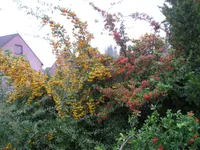
Korean spice viburnum (Viburnum carlesii) is a deciduous flowering shrub valued for its fragrant spring blooms and compact, rounded form. It typically grows as a multi-stemmed shrub with dense branching and textured, ovate leaves that turn red to burgundy in fall.

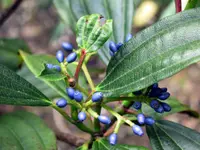
In spring, it produces clustered, pink buds that open to white, highly scented flowers, followed by small red fruits that mature to black. This species originates from Korea and Japan and adapts well to many temperate gardens.

It is considered relatively easy to grow, as long as it has sun to light shade, moderately moist soil, and reasonable drainage. Gardeners often find that learning how to care for Korean spice viburnum is straightforward once these basic needs are met.

Main Plant Requirements

Care Difficulty

Easy Care

Light Preference

Partial Sun

Water Requirements

Moderate Water

Temperature Preference

Cold Hardy

Hardiness Zone

4–7

Soil Texture

Loamy, Sandy, Clay

Soil pH

Acidic (5.5–6.5), Slightly acidic (6.5–7.0)

Soil Drainage

Moist but well-drained

Fertilization

Minimal (feed rarely)

Get Personalized Care Plan

Scan your plant to receive care tips personalized for your specific plant

Available on iOS and Android

How to Care for the Korean spice viburnum

This shrub thrives with bright outdoor light and benefits from some daily direct sun.

  • Provide 4–6 hours of direct sun daily, ideally morning sun with light afternoon shade to protect delicate flower buds.
  • Tolerates partial shade, but Korean spice viburnum flowers and fragrances best when it receives at least 3–4 hours of spring sun.
  • In hot summers, avoid intense west-facing afternoon sun that can scorch leaves; in winter, full sun exposure helps buds set strongly for the following season.

Viburnum carlesii prefers evenly moist but not saturated soil once established outdoors.

  • Before watering, check that the top 3–5 cm of soil feels dry; then water deeply so moisture reaches the full root zone.
  • In the first growing season, monitor closely during dry spells and water when leaves begin to lose firmness, especially in late spring and summer.
  • Ensure soil drains freely; persistent wetness, yellowing leaves, and soft stems suggest overwatering, while crisp leaf edges and premature leaf drop indicate drought stress.

This hardy shrub tolerates a wide range of outdoor temperatures when planted in the ground.

  • Optimal growth occurs in 60–75°F (16–24°C) during the growing season, typical of spring and early summer in many temperate regions.
  • Once established, it withstands winter lows near -20°F (-29°C), but young plants benefit from mulch to buffer rapid freeze–thaw cycles.
  • In hot climates, sustained highs above 90°F (32°C) can stress the plant; provide mulch and some afternoon shade to limit heat and soil moisture loss.

Humidity is rarely critical for Viburnum carlesii, which adapts well to typical outdoor air conditions in most temperate gardens.

This shrub prefers moderately moist, well-structured soil that drains freely yet retains some moisture.

  • Use a loamy soil rich in organic matter, blending native soil with compost to improve structure and water-holding capacity.
  • Aim for slightly acidic to neutral pH around 6.0–7.0, avoiding strongly alkaline or saline conditions that restrict nutrient uptake.
  • Improve drainage and aeration in heavy clay by incorporating coarse sand or fine grit plus well-rotted compost through the planting zone.
  • Avoid waterlogged or compacted sites; raised beds or gently sloped positions help excess water move away from the root zone.

This species can be grown in large outdoor containers if the pot is sized and weighted to support its eventual shrub form.

  • Choose a deep, wide container that allows a broad root system and reduces the risk of the shrub becoming pot-bound too quickly.
  • Select a heavy or weighted pot, such as thick ceramic, to keep the shrub stable against wind as the canopy enlarges.
  • Use a slightly raised pot stand or feet outdoors so drainage holes stay clear and runoff moves away instead of pooling under the container.

This shrub benefits from modest feeding to support flowering and steady growth.

  • Apply a balanced slow-release fertilizer (for example 10-10-10) once in early spring as new growth starts.
  • Use a light rate, following the low end of the label instructions, and keep granules off the stems and trunk.
  • Supplement with a thin layer of compost over the root zone for organic matter and micronutrients when caring for Korean spice viburnum.
  • Avoid feeding in late summer or fall so Viburnum carlesii can harden growth before winter dormancy.

Pruning helps maintain shape and flowering performance in Viburnum carlesii.

  • Use clean, sharp hand pruners or loppers to make precise cuts just above a bud or side branch.
  • Prune immediately after flowering in late spring so next year’s flower buds are not removed.
  • Take out dead, diseased, or crossing branches first, then thin crowded stems to open the center.
  • Shorten overly long shoots to refine the outline, encouraging a balanced, rounded shrub form.

This species is usually grown in the ground, so focus on careful transplanting rather than frequent repotting.

  • Transplant young shrubs in early spring or early fall when temperatures are mild and soil is workable.
  • Move plants when growth is poor, roots circle the container, or the plant dries out very quickly after watering.
  • Dig a wide planting hole, keeping the root ball intact, and set Viburnum carlesii at the same depth it grew before.
  • Water deeply after planting, apply mulch over the root zone, and keep soil evenly moist to limit transplant shock.

Home gardeners can propagate Viburnum carlesii, but success depends on timing and stable conditions.

  • Take semi-ripe stem cuttings in midsummer, 8–10 cm long, and remove lower leaves.
  • Dip cut ends in rooting hormone and insert into a sterile, moist, well-drained medium under high humidity and bright, indirect light.
  • Use cold stratification for seeds by chilling cleaned seed in moist substrate at 34–41°F for several months before sowing.
  • Simple layering of a flexible low branch into soil in spring or early summer also roots reliably when soil is kept evenly moist.

This shrub is generally cold hardy in typical garden climates and needs only modest winter care.

  • Tolerates freezing temperatures once established, but young plants benefit from some added protection in very exposed sites.
  • Apply a 5–8 cm layer of mulch over the root zone in late fall, keeping it slightly back from the main stems.
  • For container-grown plants in colder regions, move pots to a sheltered, unheated space to reduce freeze–thaw stress.

Care Tips

Encourage Bushy Shape

After flowering, lightly tip-prune the ends of new shoots by 2–5 cm to promote dense branching and maintain a compact, rounded form.


Mulch Root Zone

Apply a 5–8 cm layer of shredded bark or leaf mold over the root area, keeping it 5 cm away from the stems, to stabilize soil moisture and temperature and protect shallow feeder roots.

Manage Suckers Promptly

Inspect the base of the plant twice a year and cut off any emerging suckers or unwanted basal shoots at ground level to keep the shrub’s framework strong and tidy.

Plan Fragrance Exposure

Position the shrub near paths, patios, or entryways and keep surrounding plants low so air can move freely through the canopy, which maximizes enjoyment of the spring fragrance when caring for Korean spice viburnum.

Monitor Flower Buds

In late winter, check swelling flower buds and, during sudden cold snaps below about 20°F, cover young shrubs overnight with breathable frost cloth to reduce bud damage and preserve bloom display.

Common Pests and Diseases

Viburnum leaf beetle

This pest feeds heavily on leaves, causing skeletonized foliage and eventual defoliation, especially on susceptible viburnum species such as Viburnum carlesii. Symptoms include tan feeding holes, scorched-looking leaves, and clusters of yellow eggs on twig undersides.

Solution

Prune out and destroy infested twigs with egg masses during winter and early spring, and dispose of heavily damaged leaves. For active larvae, use a strong spray of water to knock them off, then apply a targeted insecticide containing spinosad or pyrethrins according to label directions, and encourage natural predators by avoiding broad-spectrum chemicals.

Snowball aphids

These insects cluster on young shoots and leaf undersides, sucking sap and causing leaf curling, distortion, and sticky honeydew that can lead to sooty mold. New growth often appears puckered or blistered in spring when populations peak.

Solution

Wash colonies off with a firm stream of water, repeating as needed, and prune out heavily infested shoot tips. If populations remain high, use an insecticidal soap or neem oil spray, thoroughly coating leaf undersides during cool parts of the day to limit stress to the plant.

Powdery mildew

This disease produces a white, powdery coating on leaves, especially in shaded, humid conditions, sometimes leading to leaf yellowing and premature drop. Symptoms include patches of dusty growth on upper leaf surfaces and reduced vigor in severe cases.

Solution

Improve air circulation by thinning crowded branches and avoiding overhead watering late in the day, then remove and discard affected leaves. In persistent cases, apply a labeled fungicide such as a sulfur or potassium bicarbonate product at the first sign of powdery growth, following all timing and safety directions.

Botryosphaeria canker

This disease causes sunken, dark cankers on stems and branches that may girdle shoots, leading to dieback and sparse foliage above the affected area. Symptoms include wilted or browned leaves on otherwise moist soil and discolored wood under the bark.

Solution

Prune out infected branches 10–15 cm below visible symptoms during dry weather, sterilizing pruning tools between cuts, and dispose of all diseased material. Reduce plant stress by watering deeply during drought and mulching the root zone, since healthy shrubs are more resistant and can recover better from minor infections.

Armillaria root disease

This disease, caused by Armillaria fungi in the soil, leads to gradual decline with stunted growth, yellowing leaves, branch dieback, and possible sudden collapse in stressed shrubs. Symptoms include white fungal fans under the bark at the root collar and dark root-like rhizomorphs in the soil near the base.

Solution

Carefully expose the crown and upper roots to air by removing excess soil and mulch from the trunk base, which can slow fungal spread, and remove severely infected plants including as many roots as possible. Avoid replanting another viburnum in the same spot immediately; instead, choose a non-susceptible species and improve drainage and soil aeration to reduce disease pressure for future planting and to support long-term Viburnum carlesii care instructions.

Interesting Facts

Fragrance peak at dusk

The flowers release their strongest clove-like scent in the late afternoon and evening, which likely helps attract nocturnal pollinators such as moths.

Color-changing flower clusters

Individual flower buds open deep pink and then fade to near white, so a single cluster often shows pink buds, pale pink flowers, and white blooms at the same time.

Cold-climate flowering shrub

Native to cool, mountainous regions of the Korean Peninsula and Japan, this species is adapted to cold winters and typically flowers reliably after accumulating enough winter chill.
Botan icon

Did you know?

The species was introduced to Western horticulture from Korea in the early 20th century and quickly became a key breeding parent for many modern fragrant viburnum hybrids due to its strong scent and cold hardiness.

FAQs about Korean spice viburnum

Lack of flowers usually comes from too much shade, pruning at the wrong time (removing flower buds), or nutrient imbalance. Avoid heavy pruning after midsummer, ensure good light, and use a balanced fertilizer rather than high-nitrogen lawn products.

Grow Healthy Plants with Botan Care

Keep your plants happy and healthy with plant identification, disease detection, and easy care guidance.

Botan plant care app — identify plants on mobile

Explore More Plants