Europe Allocates Over $2.5 Million to Support the Growth of Plant-Based Foods
The European Union is making a financial commitment to accelerate the shift toward plant-based diets. A newly launched initiative, the ISAAP…
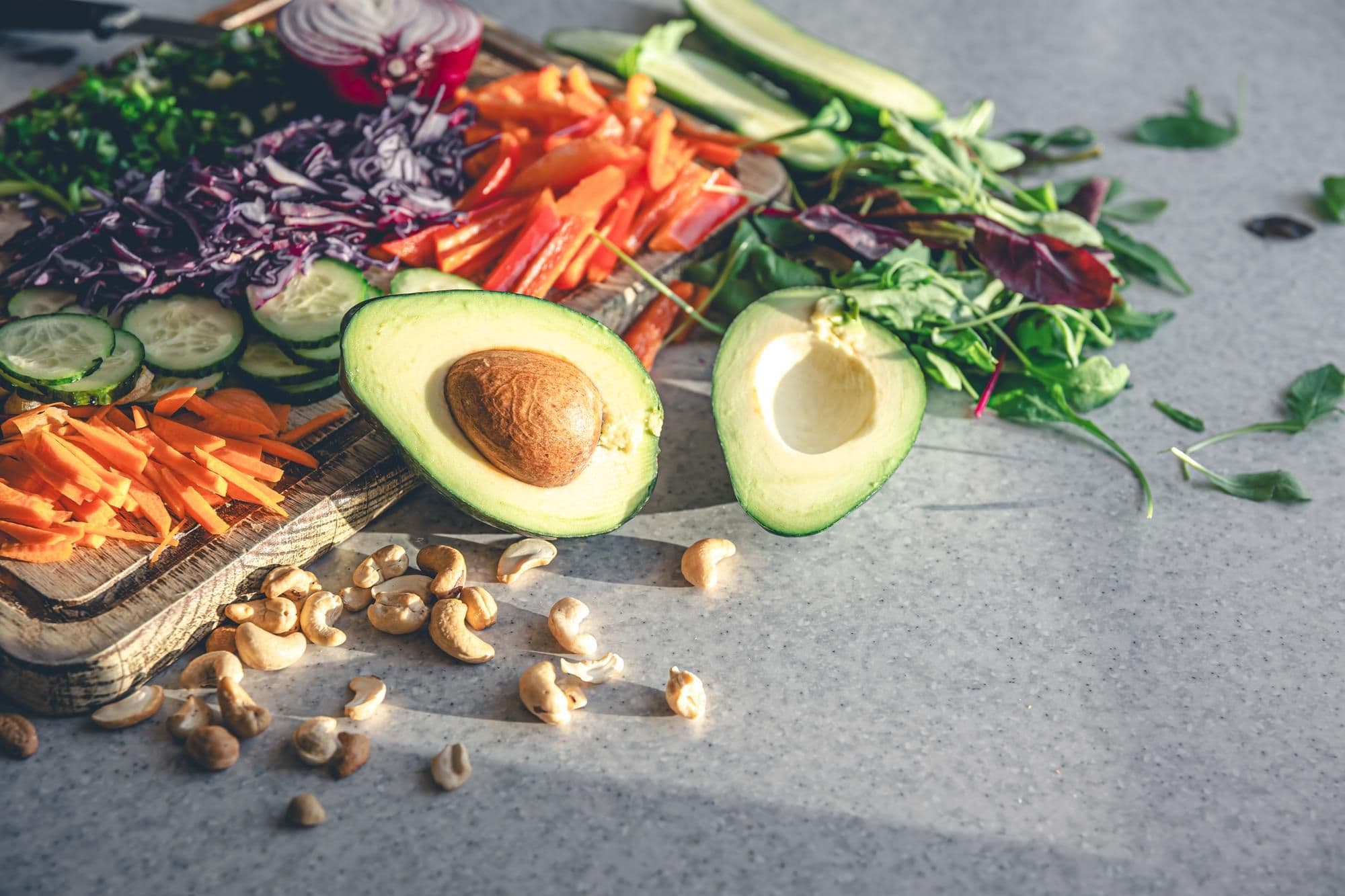
The European Union is making a financial commitment to accelerate the shift toward plant-based diets. A newly launched initiative, the ISAAP project (Innovative Strategies to Accelerate Adoption and Consumption of Plant-Based Food), has secured €2.2 million (approx. $2.59 million) in funding from the European Institute of Innovation and Technology (EIT) to drive change across the continent's food systems.
What the ISAAP Project Does
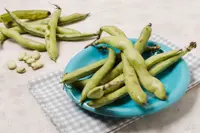
Coordinated by ProVeg Czechia, the project brings together partners from Portugal, Czechia and Denmark. Supporting farmers in legume cultivation and agricultural innovation, expanding plant-based options in catering and food service and developing policy recommendations for national plant-based action plans.
The initiative runs from September 2025 through August 2027 and operates under EIT's Food Impact Funding Framework. Key partners include CAP, CERPRO, ProVeg Portugal, Universidade Católica Portuguesa, Dansk Vegetarisk Forening, and Catering Zdravě.
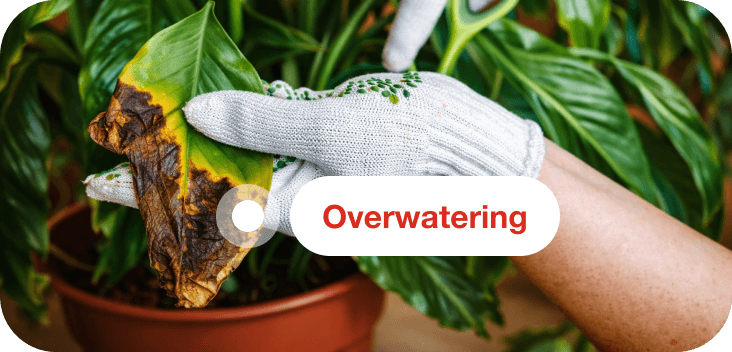
Identify Your Plant’s Problem
Scan with Botan for an instant diagnosis — 98%+ accuracy
Denmark as a Blueprint
ISAAP deliberately builds on Denmark's 2023 plant-based food roadmap, which has been widely recognized as a landmark policy effort. The goal is to replicate and adapt Denmark's model across other EU member states.
Denmark holds the presidency of the Council of the European Union and is using that position to push for broader European engagement. Through what it calls Danish Plant-Based Diplomacy, the country is actively encouraging increased and targeted plant-based funding and action at the EU level and within individual member states.
The Bigger Picture
The ISAAP launch comes at a time when alternative proteins are gaining serious institutional momentum. Separately, an international consortium recently announced plans to design and build the world's first cultivated meat farm. The CRAFT Consortium aims to integrate cultivated meat production into existing farming operations.
Together, these developments signal a broader European strategy: not just to respond to consumer demand for plant-based options, but to proactively reshape food systems from the ground up.

Dariia Plaksina
Botanist
5 years of botanical research experience
Dariia Plaksina is a biologist, botanist, and writer of informational articles with over 5 years of experience exploring the world of plants, nature, and biology. She studied at Taras Shevchenko National University of Kyiv, Educational and Scientific Center “Institute of Biology and Medicine,” where she built a strong scientific foundation for her future work.
For Dariia, writing is a hobby, a calling, and a way to make reliable knowledge easier to understand. Her articles focus on plant care, plant health, and natural processes, helping readers learn more about the living world through clear, accessible, and science-based explanations.
Related Articles

3 min read · 12 Aug 2026
Two Toxic Flowers May Hold the Key to Potent New Medicines
Wolfsbane and larkspur are two plants notorious for causing nerve damage and paralysis at vanishingly small doses. They may also carry compo…
3 min read · 6 Aug 2026
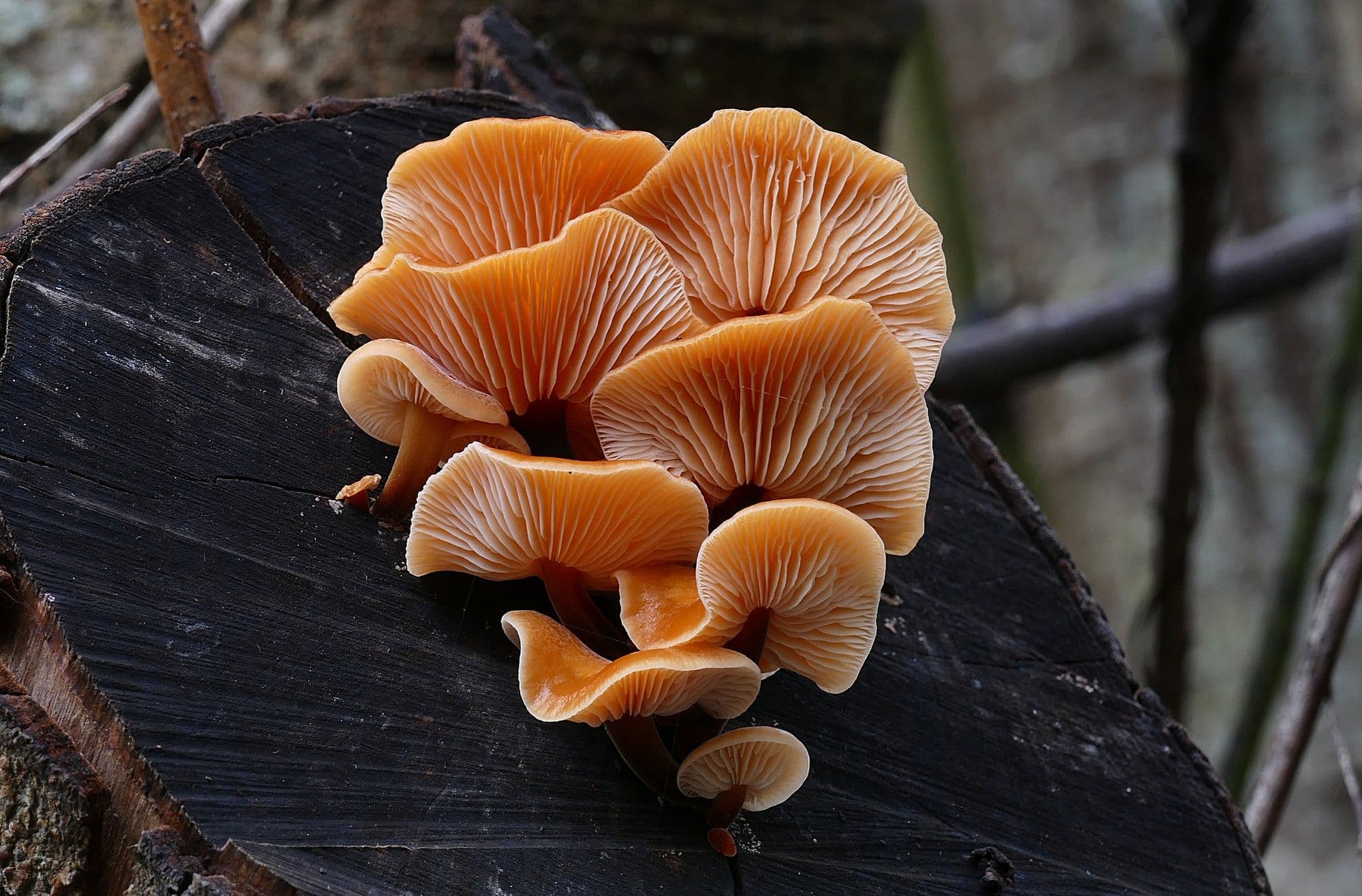
Scientists Raise Concerns Over Golden Oyster Mushrooms Being Sold in Florida Markets
Yellow caps and mild flavor have made the golden oyster mushroom a staple of home cultivation kits and grocery shelves. Yet there is a growi…

4 min read · 4 Aug 2026
Oak Trees Outsmart Hungry Caterpillars by Delaying Their Leaf Growth
Every spring forests across the temperate world wake up on a schedule. The same goes for the insects that depend on them. Caterpillars time…
Explore Plants by Care Needs



Identify the plant and problem. Help your plant recover
Identify plant problems early, understand what's wrong, and get clear care guidance. Botan helps you turn guesswork into confident plant care