Scientists Raise Concerns Over Golden Oyster Mushrooms Being Sold in Florida Markets
Yellow caps and mild flavor have made the golden oyster mushroom a staple of home cultivation kits and grocery shelves. Yet there is a growi…
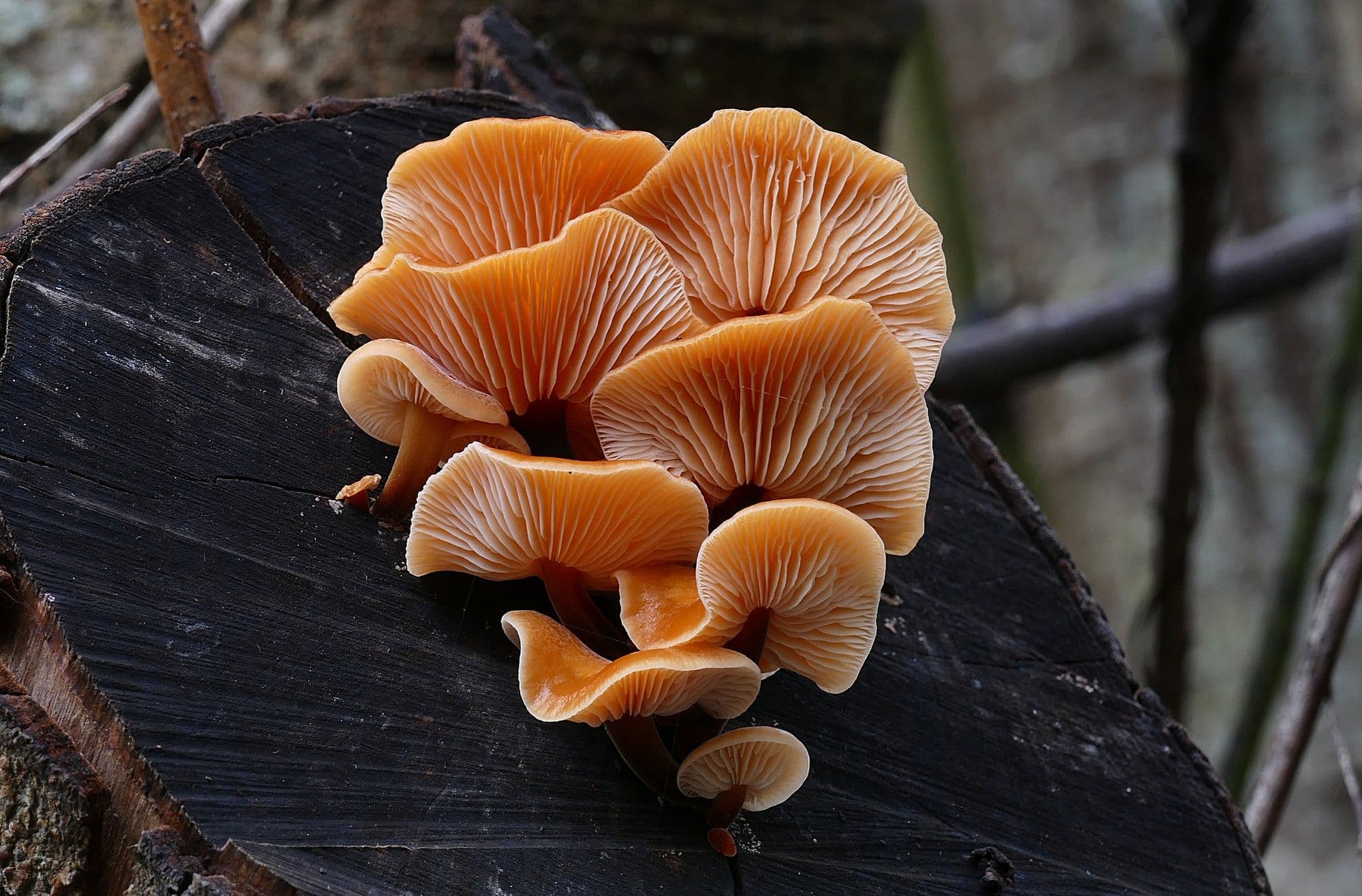
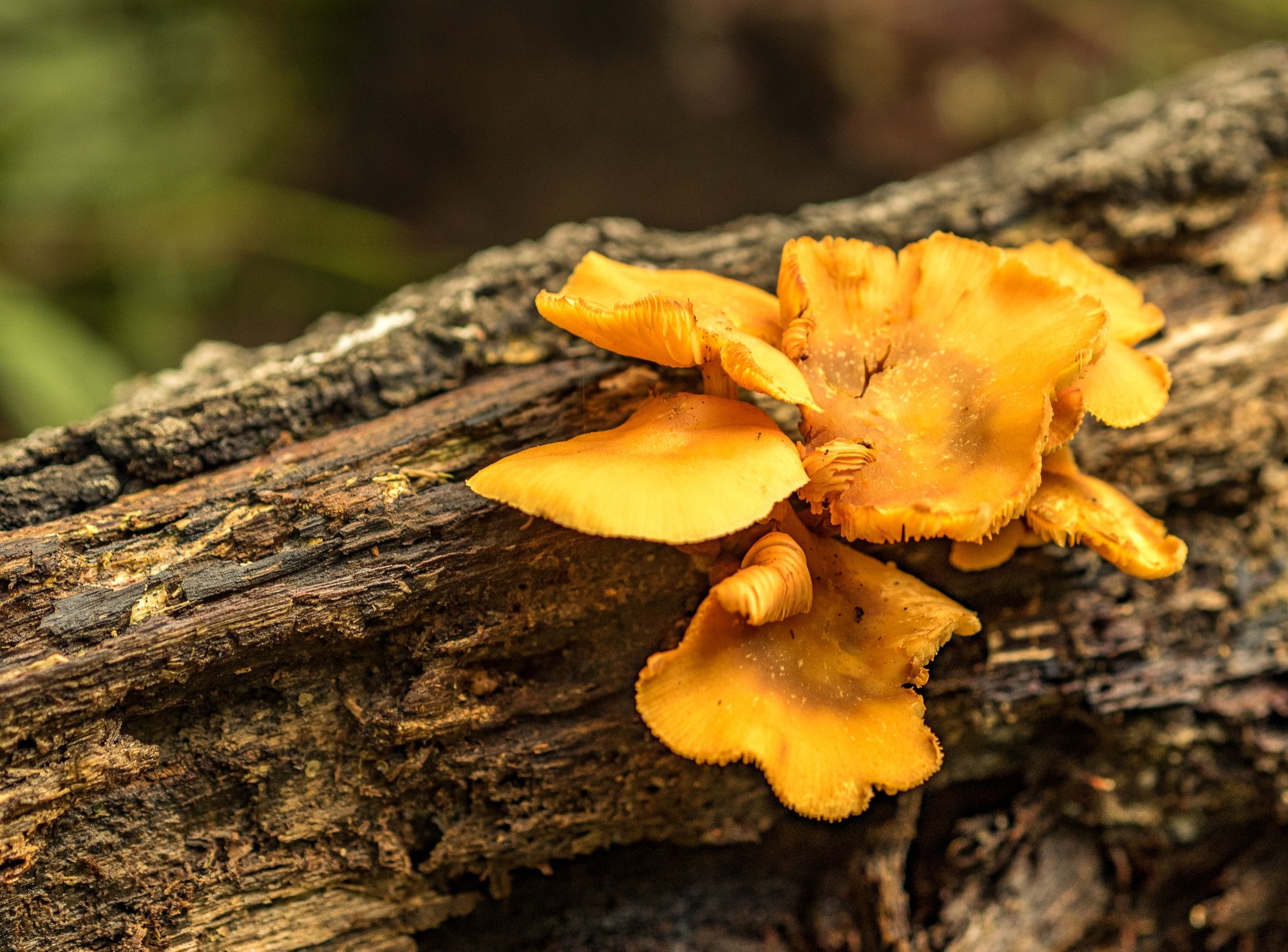
Yellow caps and mild flavor have made the golden oyster mushroom a staple of home cultivation kits and grocery shelves. Yet there is a growing ecological concern: the species is escaping into wild forests across the United States. They displace native fungi and disrupt the biological processes that keep forest ecosystems functioning.
What Experts Say
Michelle Jusino, assistant professor of forest pathology at the UF/IFAS School of Forest, Fisheries, and Geomatic Sciences, argues that cultivating this species carries responsibilities that most growers never consider. The mushroom may look perfectly at home on a backyard log, but once it reaches a natural forest, it behaves like a quiet aggressor.
"It appears to be a strong competitor in the forest," Jusino said. "It is associated with changes in the fungal community, reducing biodiversity and potentially affecting processes like wood decomposition and carbon cycling."
Identify Your Plant's Issues Early
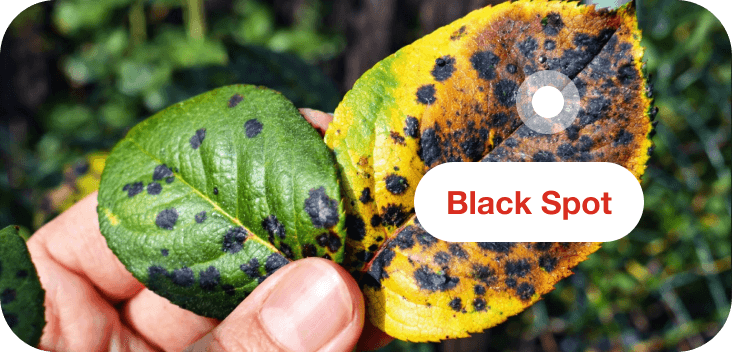
Identify plant problems before they spread
Spreading State by State
Jusino's concerns are grounded in a field study conducted in Wisconsin, which she helped design during her tenure with the U.S. Forest Service. The research, published in Current Biology by Aishwarya Veerabahu, Mark T. Banik, Daniel L. Lindner, Anne Pringle, and Jusino herself, traces how ordinary human behavior inadvertently seeds new invasions.
To map the spread, the team drew on community science platforms. The data painted a striking picture. In 2016, wild sightings of the golden oyster mushroom were limited to just five states in the Midwest and Northeast. Today, the species has been recorded in more than 25 states, including Texas, Virginia, North Carolina, Alabama, Louisiana and the District of Columbia.
Earlier research by Andrea Bruce suggests the mushroom first established itself in the wild in the early 2010s.
What Happens When Native Fungi Lose Ground
To measure the ecological damage, scientists examined dead elm trees. Some were colonized by golden oyster mushrooms, others not. Wood samples were taken at multiple heights from each tree, and DNA analysis was used to identify the fungi present.
The contrast was stark. Trees hosting the invasive mushroom supported far fewer fungal species overall, and the composition of their fungal communities was markedly different from unaffected trees. Native fungi were reduced. Only a handful of species appeared capable of coexisting with the invader.
Why This Matters Beyond the Forest Floor
Fungi drive wood decomposition, regulate carbon cycling, and support the genetic resilience that forests need to adapt to climate change. When an invasive species reshapes the fungal community of a tree, the effects ripple outward in ways that are difficult to reverse.
Microbial invasions rarely attract the same attention as invasive plants or animals, yet their consequences can be just as profound.
Researchers are calling for greater public awareness, more rigorous monitoring and a shift toward native mushroom species in cultivation. Jusino is continuing to develop new methods to track and manage the spread.

Alex Yar
Plant Expert
7+ years of experience studying plants, researching their diseases, and examining their characteristics.
Alex is a plant expert and writer with more than 7 years of experience studying plants, their growing requirements, and their responses to environmental conditions. His areas of expertise include plant care, disease recognition, stress diagnosis, pest-related problems, and the distinctive characteristics of different species.
Over the years, Alex has developed a strong practical understanding of how light, temperature, humidity, watering, soil conditions, and nutrition affect plant health. He combines careful observation with in-depth research to explain effective care and recovery methods.
Alex has extensive hands-on experience caring for houseplants. His articles translate complex botanical topics into clear guidance that helps you better understand your plants and recognize early warning signs.
Related Articles
3 min read · 18 Aug 2026
More Trees Don’t Mean More Birds: New Research Challenges Assumptions
Planting trees along farmland is widely promoted as a straightforward way to boost biodiversity. But a new study from Hiroshima University s…
3 min read · 12 Aug 2026
Two Toxic Flowers May Hold the Key to Potent New Medicines
Wolfsbane and larkspur are two plants notorious for causing nerve damage and paralysis at vanishingly small doses. They may also carry compo…

2 min read · 10 Aug 2026
Europe Allocates Over $2.5 Million to Support the Growth of Plant-Based Foods
The European Union is making a financial commitment to accelerate the shift toward plant-based diets. A newly launched initiative, the ISAAP…
Explore Plants by Care Needs
Identify the plant and problem. Help your plant recover
Identify plant problems early, understand what's wrong, and get clear care guidance. Botan helps you turn guesswork into confident plant care