Two Toxic Flowers May Hold the Key to Potent New Medicines
Wolfsbane and larkspur are two plants notorious for causing nerve damage and paralysis at vanishingly small doses. They may also carry compo…
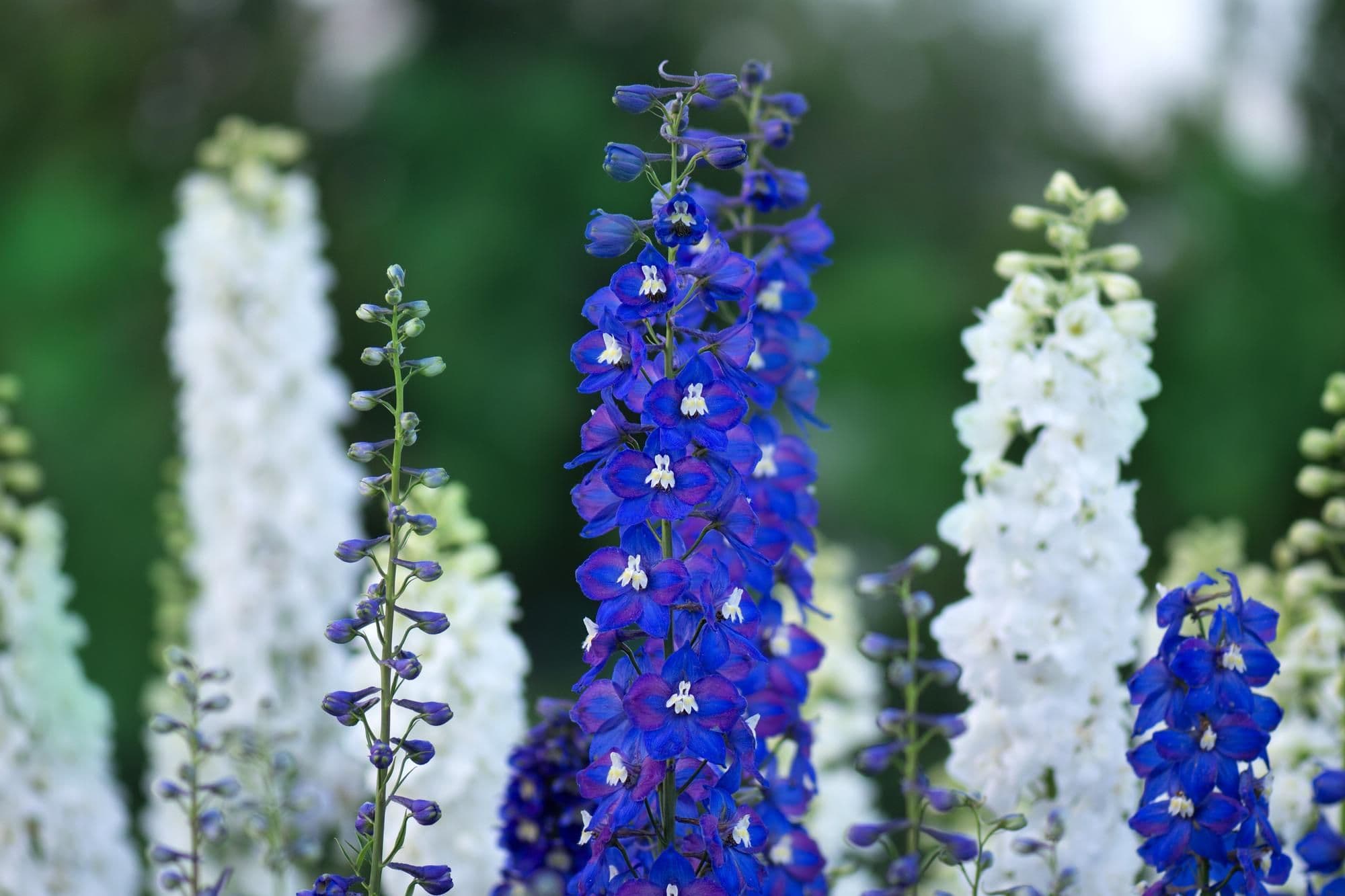
Wolfsbane and larkspur are two plants notorious for causing nerve damage and paralysis at vanishingly small doses. They may also carry compounds with remarkable potential against pain, malaria, cancer, and agricultural pests. A new study from Michigan State University and the Czech Academy of Sciences, published in the journal Molecular Plant, has mapped the biochemical pathway these plants use to build their most complex molecules and found a way to reproduce that chemistry in a controlled laboratory setting.
Deadly by Design, Promising by Nature
The plants in question belong to the same botanical family and share a class of compounds known as diterpenoid alkaloids. These are molecules that are toxic but structurally fascinating. Among the most studied is aconitine, first isolated about 200 years ago from wolfsbane (Aconitum species).
Despite centuries of scientific attention, aconitine has never been successfully synthesized in a laboratory. Its complexity has kept it out of reach. Until now, researchers have at least begun to understand how nature assembles it.
"These plants have been used in various forms of medicine around the world for thousands of years," said Garret Miller, co-first author of the study and now an assistant professor of biotechnology at the University of Michigan-Flint.
Identify Your Plant
Scan the plant and get a result with 98% accuracy
Tracing Thousands of Genes
Wolfsbane and larkspur contain thousands of genes. Identifying which ones are responsible for producing diterpenoid alkaloids required large-scale analysis. Working across institutions the scientists traced the genetic instructions step by step.
Their key finding: six enzymes, working in sequence, are responsible for constructing atisinium, a diterpenoid alkaloid that serves as an early building block in the pathway toward more complex compounds. Identifying these six enzymes effectively reveals the entry steps into a biosynthetic route that the plant uses to generate its most potent chemistry.
Tobacco as a Living Factory
One of the study's most practical contributions is methodological. Rather than attempting to synthesize these compounds through conventional chemistry the team transferred the relevant genetic instructions into tobacco plants. These tobacco plants then acted as living biofactories, producing atisinium in quantities sufficient for testing and analysis.
This approach sidesteps the enormous synthetic chemistry challenge and opens a scalable path to producing rare alkaloids for pharmaceutical research. If the remaining steps in the biosynthetic pathway can be identified and transferred in the same way, it may eventually become possible to produce aconitine and its relatives on demand.
What Comes Next
The study represents a step in understanding how nature builds some of its most chemically sophisticated molecules. The immediate priority is to characterize the remaining enzymatic steps in the pathway. It is a task that could unlock not only new pain treatments, but also antimalarial agents, anticancer compounds, and novel pesticides derived from the same chemical family.

Alex Yar
Plant Expert
7+ years of experience studying plants, researching their diseases, and examining their characteristics.
Alex is a plant expert and writer with more than 7 years of experience studying plants, their growing requirements, and their responses to environmental conditions. His areas of expertise include plant care, disease recognition, stress diagnosis, pest-related problems, and the distinctive characteristics of different species.
Over the years, Alex has developed a strong practical understanding of how light, temperature, humidity, watering, soil conditions, and nutrition affect plant health. He combines careful observation with in-depth research to explain effective care and recovery methods.
Alex has extensive hands-on experience caring for houseplants. His articles translate complex botanical topics into clear guidance that helps you better understand your plants and recognize early warning signs.
Related Articles

3 min read · 18 Aug 2026
More Trees Don’t Mean More Birds: New Research Challenges Assumptions
Planting trees along farmland is widely promoted as a straightforward way to boost biodiversity. But a new study from Hiroshima University s…

2 min read · 10 Aug 2026
Europe Allocates Over $2.5 Million to Support the Growth of Plant-Based Foods
The European Union is making a financial commitment to accelerate the shift toward plant-based diets. A newly launched initiative, the ISAAP…
3 min read · 6 Aug 2026
Scientists Raise Concerns Over Golden Oyster Mushrooms Being Sold in Florida Markets
Yellow caps and mild flavor have made the golden oyster mushroom a staple of home cultivation kits and grocery shelves. Yet there is a growi…
Explore Plants by Care Needs





Identify the plant and problem. Help your plant recover
Identify plant problems early, understand what's wrong, and get clear care guidance. Botan helps you turn guesswork into confident plant care