More Trees Don’t Mean More Birds: New Research Challenges Assumptions
Planting trees along farmland is widely promoted as a straightforward way to boost biodiversity. But a new study from Hiroshima University s…
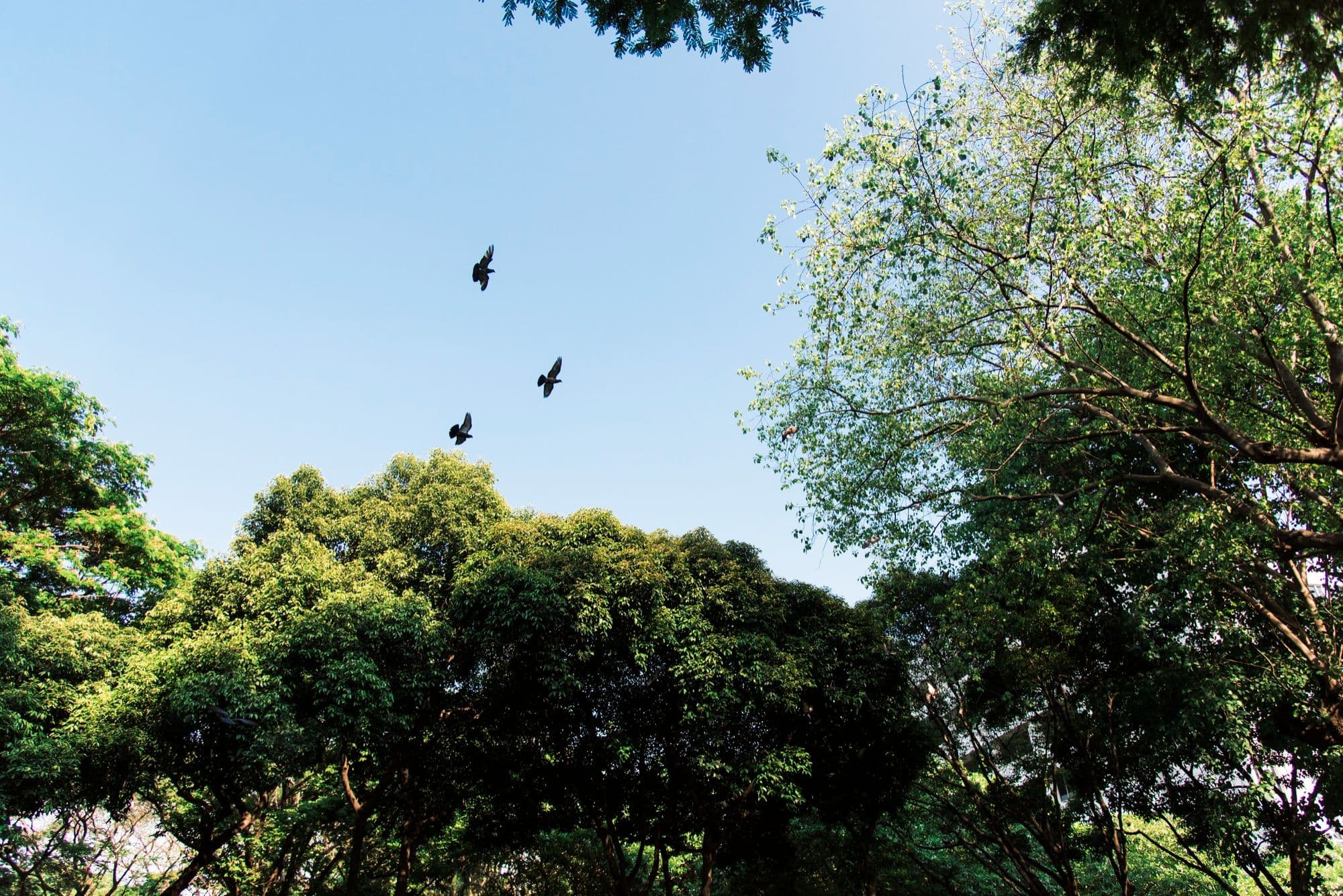
Planting trees along farmland is widely promoted as a straightforward way to boost biodiversity. But a new study from Hiroshima University shows the reality is far more complicated, especially in agricultural wetlands where many bird species depend on open, unobstructed landscapes.
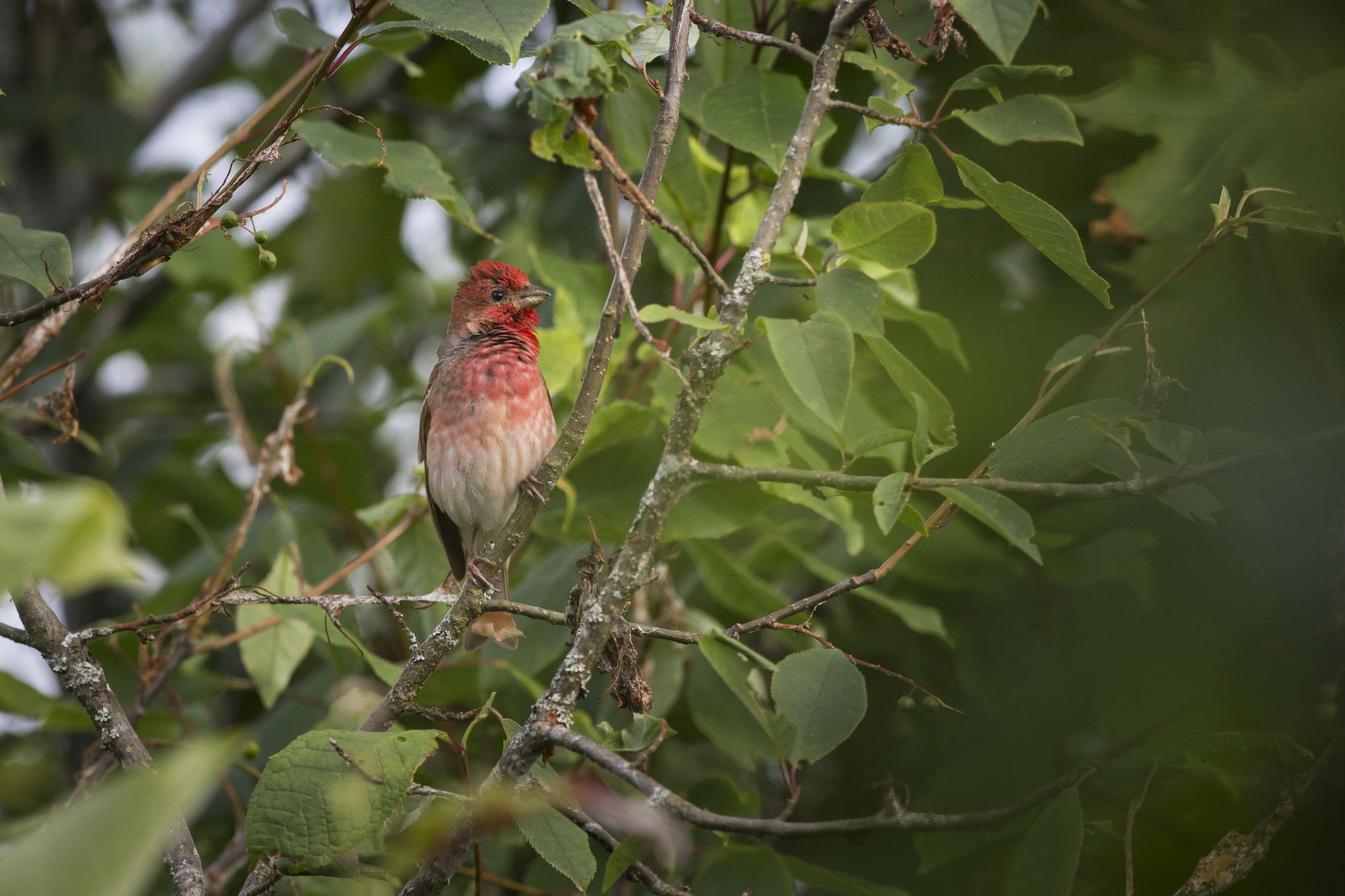
Researchers studying farmland around Lake Kahokugata on Japan's central western coast found that shelterbelts do not benefit all birds equally. While they create suitable habitat for some species, they can simultaneously reduce the abundance and diversity of birds that rely on open grassland and wetland environments.
Shelterbelts as Ecological Walls
Many agricultural conservation programs encourage farmers to plant trees and hedgerows to support biodiversity. However, most research backing their value has been conducted in arable and grassland systems across Europe and North America. Far less is known about their effects in wet agricultural landscapes such as rice paddies, which are widespread across Asia.
"The central question of our study was whether shelterbelts provide equal benefits to all farmland birds in wetland landscapes, or whether they create trade-offs that disadvantage open-habitat species," said lead author Masumi Hisano, associate professor at Hiroshima University's Graduate School of Advanced Science and Engineering.
The study area around Lake Kahokugata includes extensive rice fields, lotus fields, arable land, and pastures. The region regularly experiences strong winter winds, making shelterbelts a common landscape feature. The lake itself sits along the East Asian–Australasian Flyway and nearly 300 bird species have been recorded in the area.
Your Personalized Care Plan
Get personalized plant care recommendations in the app
Winners and Losers
Field surveys were conducted in February–March 2021 and June 2023 using point-count methods. The results revealed a clear ecological trade-off.
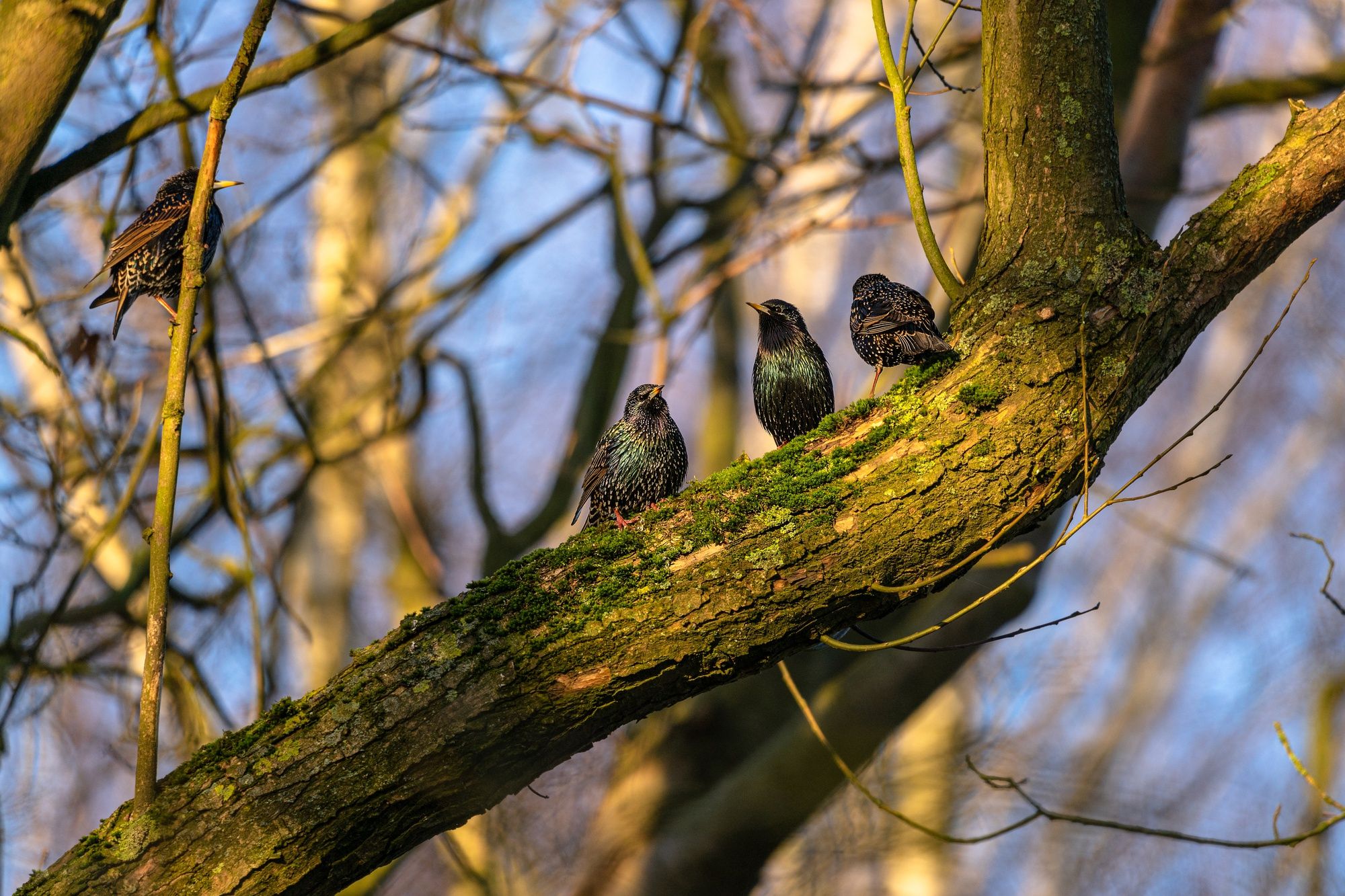
Shelterbelts supported birds associated with shrubby edges and woodland margins. At the same time, they reduced grassland bird abundance by more than 70% near shelterbelts compared to open sites roughly one kilometer away.
Rethinking Tree-Planting Conservation
The study argues for smarter placement. Researchers call for landscape planning that deliberately balances open habitats with wooded elements, rather than promoting blanket tree-planting as a universal conservation tool.
"Biodiversity-friendly farmland management must balance structural complexity with the ecological needs of open-habitat species," Hisano said.
This is particularly relevant for wetland agricultural systems in Asia, where conservation policy has often borrowed frameworks developed for very different European or North American landscapes. Rice-field ecosystems support a distinct community of birds.
Implications for Policy
The findings challenge a common assumption embedded in agri-environment schemes: that more vegetation always means more biodiversity. In open wetland systems, the opposite can be true for a significant portion of the bird community.
Future conservation programs, the researchers suggest, should assess the existing landscape structure before recommending tree planting, and prioritize maintaining large blocks of open habitat where wetland and grassland specialists can persist.

Alex Yar
Plant Expert
7+ years of experience studying plants, researching their diseases, and examining their characteristics.
Alex is a plant expert and writer with more than 7 years of experience studying plants, their growing requirements, and their responses to environmental conditions. His areas of expertise include plant care, disease recognition, stress diagnosis, pest-related problems, and the distinctive characteristics of different species.
Over the years, Alex has developed a strong practical understanding of how light, temperature, humidity, watering, soil conditions, and nutrition affect plant health. He combines careful observation with in-depth research to explain effective care and recovery methods.
Alex has extensive hands-on experience caring for houseplants. His articles translate complex botanical topics into clear guidance that helps you better understand your plants and recognize early warning signs.
Related Articles
3 min read · 12 Aug 2026
Two Toxic Flowers May Hold the Key to Potent New Medicines
Wolfsbane and larkspur are two plants notorious for causing nerve damage and paralysis at vanishingly small doses. They may also carry compo…
2 min read · 10 Aug 2026
Europe Allocates Over $2.5 Million to Support the Growth of Plant-Based Foods
The European Union is making a financial commitment to accelerate the shift toward plant-based diets. A newly launched initiative, the ISAAP…
3 min read · 6 Aug 2026
Scientists Raise Concerns Over Golden Oyster Mushrooms Being Sold in Florida Markets
Yellow caps and mild flavor have made the golden oyster mushroom a staple of home cultivation kits and grocery shelves. Yet there is a growi…
Explore Plants by Care Needs

Identify the plant and problem. Help your plant recover
Identify plant problems early, understand what's wrong, and get clear care guidance. Botan helps you turn guesswork into confident plant care