Oak Trees Outsmart Hungry Caterpillars by Delaying Their Leaf Growth
Every spring forests across the temperate world wake up on a schedule. The same goes for the insects that depend on them. Caterpillars time…
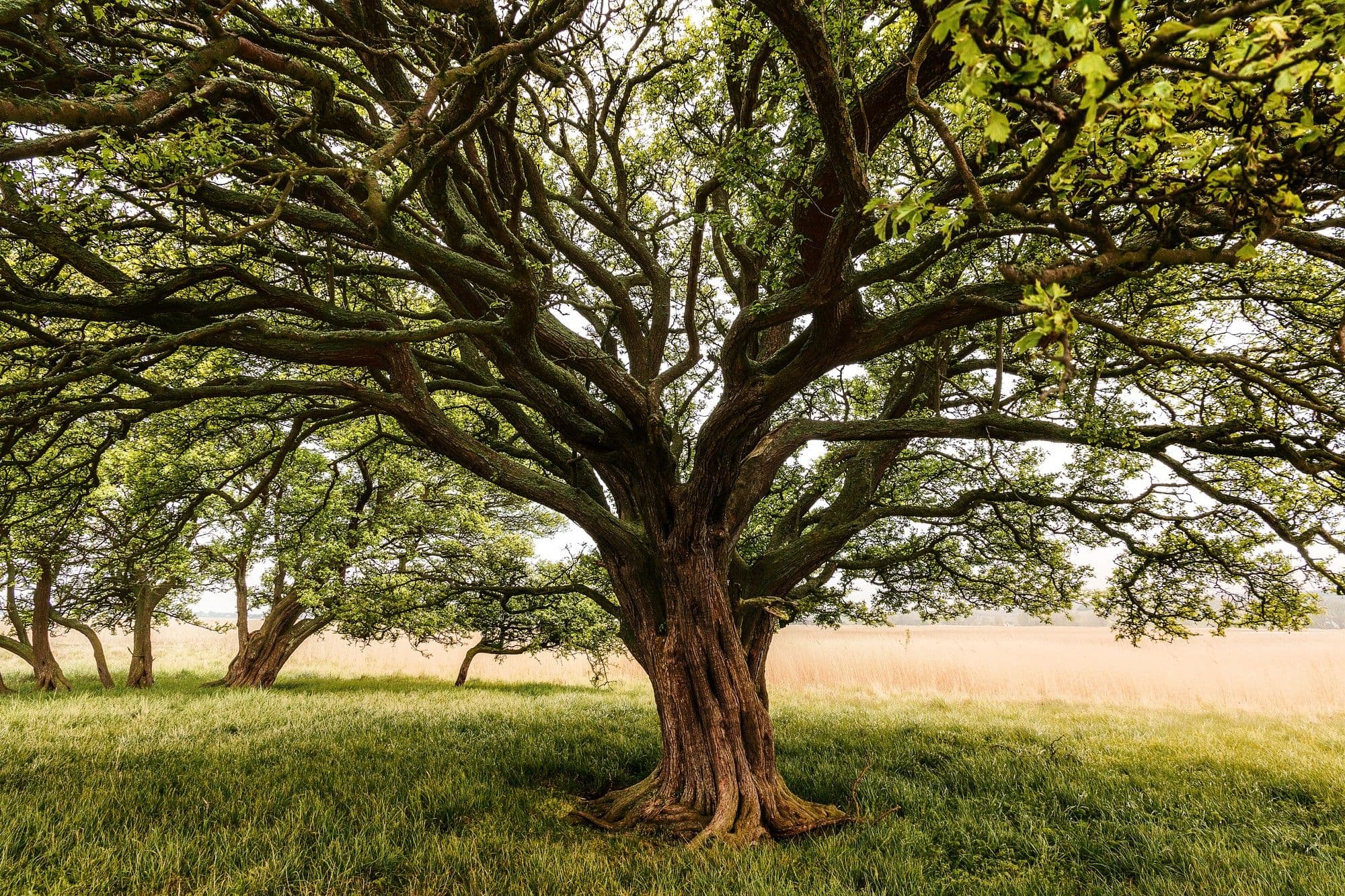
Every spring forests across the temperate world wake up on a schedule. The same goes for the insects that depend on them. Caterpillars time their hatching to coincide with the moment young leaves emerge from buds.
It is a finely tuned arms race that has played out for millions of years. Now, new research reveals that oak trees have a surprisingly elegant counter-move: they simply wait.
The Discovery
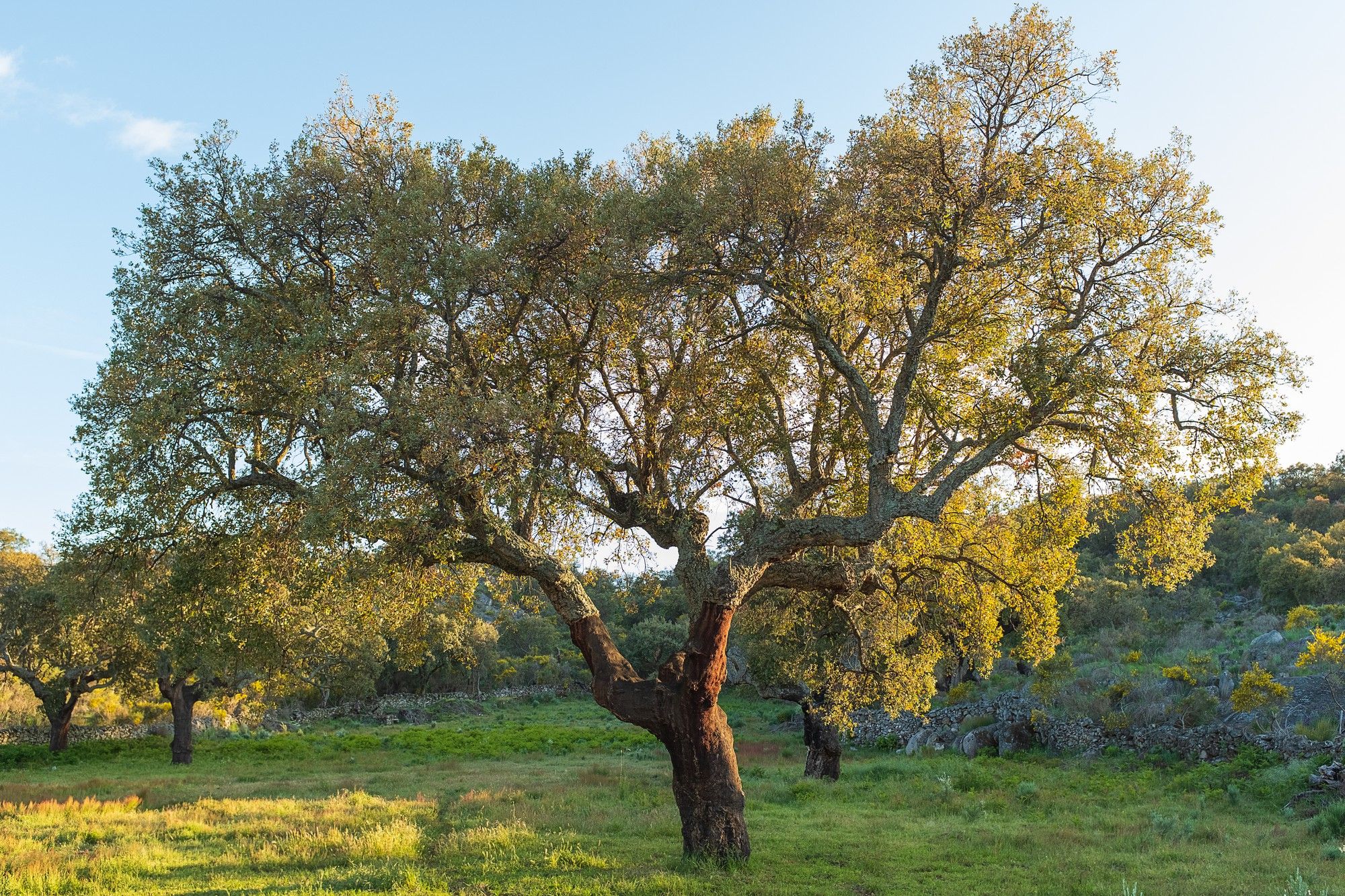
A study published in Nature Ecology & Evolution (May 2026) shows that when oak trees suffer heavy caterpillar damage in one year, they delay the opening of their buds by approximately three days the following spring. That modest shift is enough to leave newly hatched caterpillars facing bare branches instead of a feast of tender leaves. Many of them starve.
A three-day delay cuts subsequent leaf damage by around 55% compared with the year before. According to lead author Dr. Soumen Mallick, a postdoctoral researcher at the University of Würzburg's Biocentre, this temporal escape strategy outperforms the tree's other known defences, including the production of bitter tannins and aromatic compounds that attract predators.
Synthesizing additional tannins demands an energy investment, whereas adjusting the timing of bud opening is comparatively cheap.
Identify Your Plant's Issues Early
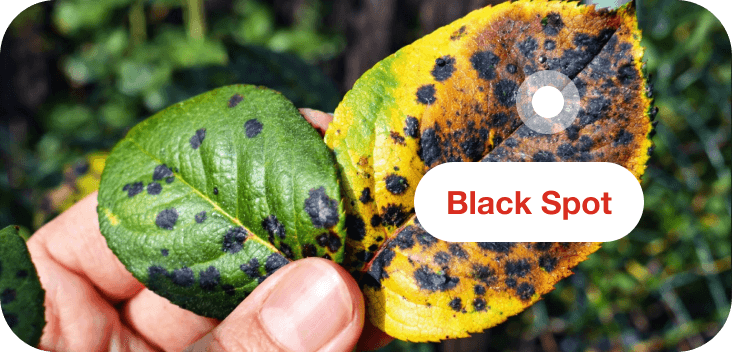
Identify plant problems before they spread
Watching Forests from Space
To uncover this mechanism, the research team took an unconventional approach: they looked at forests from orbit. Using Sentinel-1 radar satellite imagery, they monitored a 2,400-square-kilometer area of northern Bavaria, Germany, in 2017-2021.
Each pixel in the dataset corresponded to a 10 × 10 meter patch. It is the average size of a single tree crown. In total, 137,500 individual observations were collected across 60 oak-dominated forest sites.
The year 2019 provided a natural experiment: a massive outbreak of gypsy moths (Lymantria dispar) swept through the region, stripping many trees of their leaves. The satellite data recorded which trees were most severely defoliated and then tracked how those same trees behaved the following spring. Heavily infested oaks opened their buds about three days later than their less-affected neighbors.
Adaptation or Side Effect?
The obvious question is whether this delay is a defense or simply a byproduct of physiological stress — a weakened tree that cannot muster the energy to leaf out on time.
Mallick argues for the adaptive interpretation. The delay was observed consistently across dozens of separate tree populations, and it was strongest in forest areas where postponing bud opening would be most beneficial. That is, where the timing mismatch between leaf emergence and caterpillar hatching would be greatest. That spatial pattern is difficult to explain through resource depletion alone.
Not everyone is fully convinced. James Cahill of the University of Alberta notes that the relationship between caterpillar damage and delayed budburst is a correlation. James Blande of the University of Eastern Finland echoes this. He calls the mechanisms "intriguing" and flags them as an area for future investigation.
A Forest Caught Between Two Forces
Climate models have long predicted that warming spring temperatures should push trees to leaf out earlier each year. But in many regions the expected advance has been slower than forecast. This study offers an explanation: insect herbivory may be acting as a brake, counteracting the warming signal.
Trees are caught in an evolutionary tug-of-war. Rising temperatures push them toward earlier budburst. Caterpillar pressure pushes them toward delay.
One notable feature of the timing strategy is its reversibility, because the delay is triggered only by actual infestation. Insects cannot easily adapt to it permanently, unlike a fixed chemical defense.
"This dynamic interplay is an example of the forest's high resilience and adaptability in a changing world," says Professor Andreas Prinzing of the University of Rennes, co-senior author of the study.

Dariia Plaksina
Botanist
5 years of botanical research experience
Dariia Plaksina is a biologist, botanist, and writer of informational articles with over 5 years of experience exploring the world of plants, nature, and biology. She studied at Taras Shevchenko National University of Kyiv, Educational and Scientific Center “Institute of Biology and Medicine,” where she built a strong scientific foundation for her future work.
For Dariia, writing is a hobby, a calling, and a way to make reliable knowledge easier to understand. Her articles focus on plant care, plant health, and natural processes, helping readers learn more about the living world through clear, accessible, and science-based explanations.
Related Articles
3 min read · 18 Aug 2026
More Trees Don’t Mean More Birds: New Research Challenges Assumptions
Planting trees along farmland is widely promoted as a straightforward way to boost biodiversity. But a new study from Hiroshima University s…
3 min read · 12 Aug 2026
Two Toxic Flowers May Hold the Key to Potent New Medicines
Wolfsbane and larkspur are two plants notorious for causing nerve damage and paralysis at vanishingly small doses. They may also carry compo…

2 min read · 10 Aug 2026
Europe Allocates Over $2.5 Million to Support the Growth of Plant-Based Foods
The European Union is making a financial commitment to accelerate the shift toward plant-based diets. A newly launched initiative, the ISAAP…
Explore Plants by Care Needs
Identify the plant and problem. Help your plant recover
Identify plant problems early, understand what's wrong, and get clear care guidance. Botan helps you turn guesswork into confident plant care