Scientists Identified the Gene That Lets Crops Hit "Pause" During a Drought
When cold snaps, floods, or drought hit, plants can't relocate. They survive by pausing. They shut down growth temporarily until conditions…
.jpg&w=2880&q=75)
When cold snaps, floods, or drought hit, plants can't relocate. They survive by pausing. They shut down growth temporarily until conditions improve. New research has now identified the genes that control this "pause-and-play" mechanism, opening a path toward crops that recover faster from climate shocks.
Roots as a Research Window
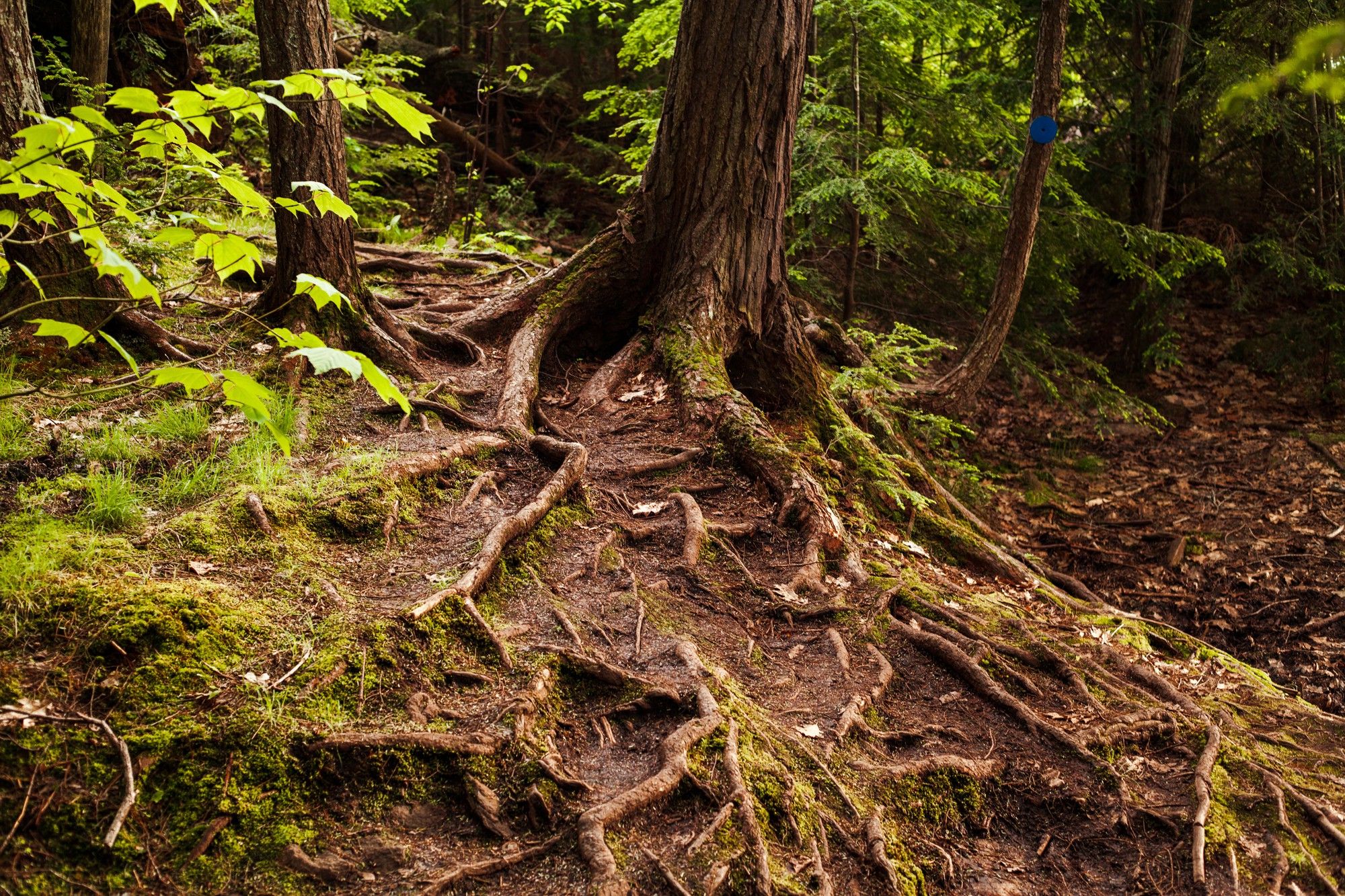
To study stress tolerance, researchers measured root growth in thale cress (Arabidopsis thaliana) under cold temperatures, salt stress, and drought-like conditions. Roots are ideal for this work. They grow continuously and respond to environmental change within hours.
The results were clear. Under cold or salt stress root growth stopped. Once stress was removed, growth resumed within 24 hours. Drought stress told a different story: plants eventually recovered, but it took longer. The researchers called this "pause and push".
To test whether this behavior was unique to Arabidopsis, the team partnered with the U.S. Department of Agriculture and ran the same experiments on two wild grasses closely related to cereal crops: brachypodium (Brachypodium distachyon) and annual ryegrass (Lolium multiflorum). Both showed similar stress-and-recovery patterns. Thus, the mechanism is conserved across plant species.
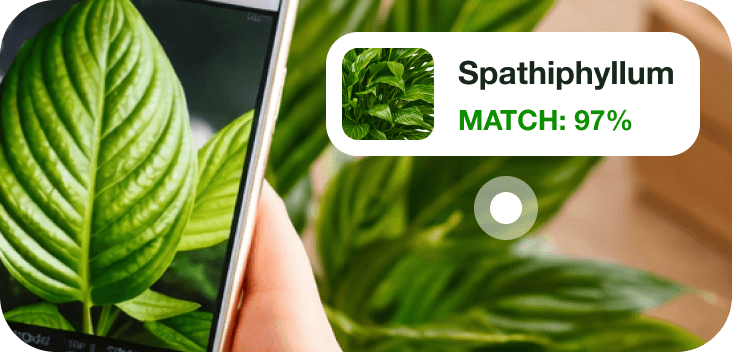
Identify Your Plant
Scan the plant and get a result with 98% accuracy
Finding the Genetic Switch
Observing the behavior was the first step. The harder question was: what drives it at the molecular level?
The team used green fluorescent protein (GFP) fused to genes of interest. When a tagged gene activates inside a cell, it glows. By tracking which genes lit up (and when), researchers could map cell division activity across stress and recovery phases.
After counting thousands of cells over months, one gene stood out: Cyclin-dependent Kinase A;1 (CDKA;1). This gene regulates the cell cycle: the process governing when cells divide. A closely related gene, CDK1, performs similar functions in animals and humans.
When CDKA;1 was inhibited, plants could not recover from cold or salt stress. Growth simply didn't restart. This confirmed CDKA;1 as a key switch for resuming growth once conditions stabilize.
From Lab to Field
Researchers now have a specific genetic target, a named gene with a known function.
This opens two main routes for crop improvement:
- Natural variants. Plant populations already carry genetic diversity. Breeders could screen existing crop varieties for natural CDKA;1 variants associated with faster stress recovery, then select for them through conventional breeding programs.
- Gene editing. Tools like CRISPR-Cas9 allow precise modifications to plant DNA. Researchers could strengthen or fine-tune CDKA;1 activity to improve how quickly crops bounce back after a heat wave, late frost, or flooding event.
The goal isn't to make plants immune to stress. That's not realistic. It's to shorten the recovery window so crops can still complete their life cycle and produce a harvest even after a climate shock.
Broader Significance
Beyond yield stability, faster-recovering crops could expand where agriculture is viable. Regions with unpredictable weather or short growing seasons could become more reliably productive if crops can reset quickly after adverse events.
Climate change is increasing the frequency of extreme weather, making stress-resilient crops not a luxury but a necessity. Understanding the cellular mechanics of plant recovery is a step toward that goal.

Dariia Plaksina
Botanist
5 years of botanical research experience
Dariia Plaksina is a biologist, botanist, and writer of informational articles with over 5 years of experience exploring the world of plants, nature, and biology. She studied at Taras Shevchenko National University of Kyiv, Educational and Scientific Center “Institute of Biology and Medicine,” where she built a strong scientific foundation for her future work.
For Dariia, writing is a hobby, a calling, and a way to make reliable knowledge easier to understand. Her articles focus on plant care, plant health, and natural processes, helping readers learn more about the living world through clear, accessible, and science-based explanations.
Related Articles
3 min read · 28 Jul 2026
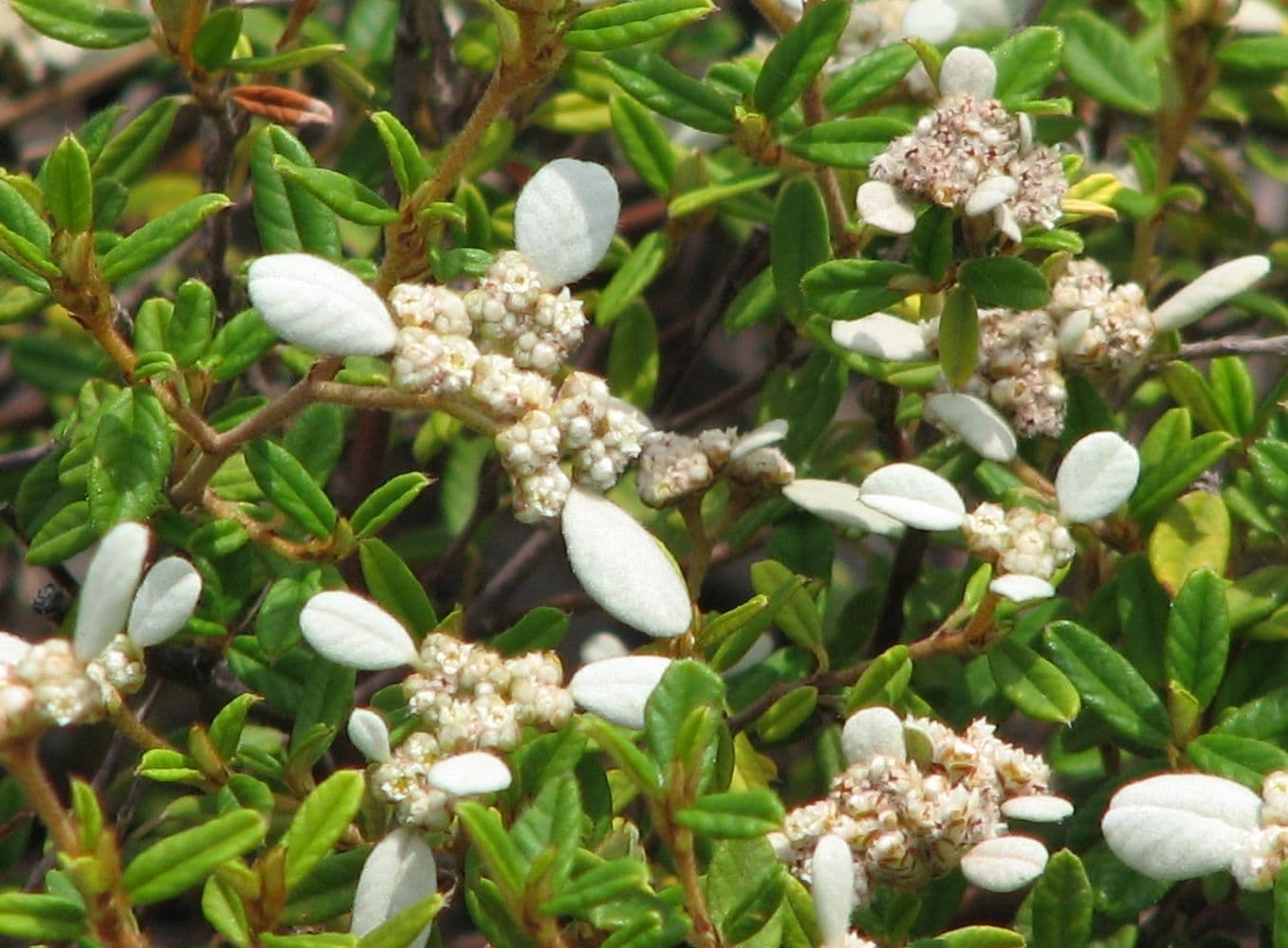
The World's Rarest Plant Has One Wild Individual Left in South Australia
Along the Coorong coastline in South Australia lies a forgettable stretch of road called Woods Well. Scattered houses, open paddocks, remnan…
3 min read · 23 Jul 2026
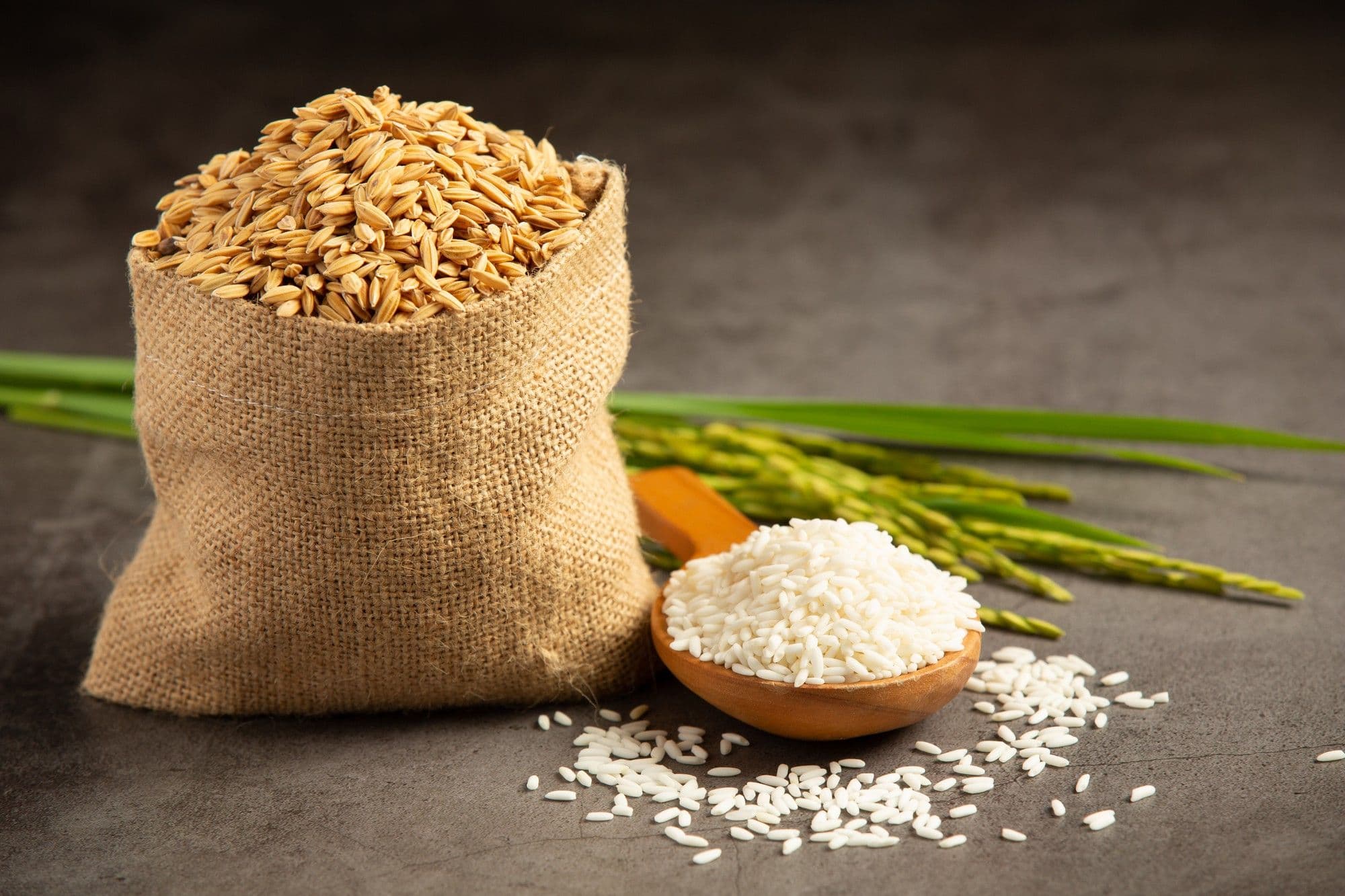
Rice Seeds Germinate 24% Faster When They "Hear" Raindrops
A new study in Scientific Reports provides the first direct evidence that seeds can sense environmental sounds, including rain, as signals to begin growing. The research was led by MIT professor Nicholas Makris and Cadine Navarro.

4 min read · 20 Jul 2026
Hidden Carbon Power of Trees
A new study found that oak trees continue absorbing carbon dioxide for months after their growth stops, challenging the long-held assumption that photosynthesis and tree growth always occur together.
Explore Plants by Care Needs
 POPULAR
China Doll
Radermachera sinica
 POPULAR
Cliff maids
Lewisia cotyledon
 POPULAR
Cathedral Window Haworthia
Haworthia cymbiformis
 POPULAR
Baby's Tears
Soleirolia soleirolii
 POPULAR
Lipstick
Echeveria agavoides
 POPULAR
African False Hosta
Drimiopsis maculata
 POPULAR
Bush Lily
Clivia miniata
 POPULAR
Norfolk Island Pine
Araucaria heterophylla
Identify the plant and problem. Help your plant recover
Identify plant problems early, understand what's wrong, and get clear care guidance. Botan helps you turn guesswork into confident plant care