Early-season thinning
In dense stands, thin seedlings to 15–20 cm spacing early in the season to reduce competition, improve air movement, and produce sturdier, more uniform plants.

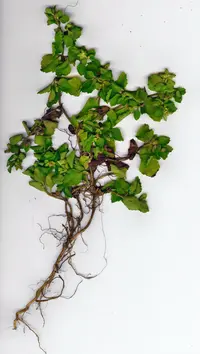
Paraguayan starbur (Acanthospermum australe) is a low, spreading annual herb from the daisy family. It often forms mats in open, disturbed ground, pastures, and roadsides. Native to South America, it has now naturalized in many warm and subtropical regions, where it can behave as an agricultural weed.
Plants have small, rough leaves and distinctive bur-like seed heads that cling to fur, clothing, and machinery, helping the species spread quickly. Its fast growth and self-seeding habit make it vigorous but not ideal for formal garden beds. Those who choose to care for Paraguayan starbur should know it prefers sunny, open sites with well-drained soil and moderate moisture.

Care Difficulty
Easy Care

Light Preference
Full Sun

Water Requirements
Moderate Water

Temperature Preference
Warm Climate

Hardiness Zone
9–11

Soil Texture
Sandy, Loamy, Rocky

Soil pH
Acidic (5.5–6.5), Slightly acidic (6.5–7.0)

Soil Drainage
Well-drained

Fertilization
Minimal (feed rarely)
Scan your plant to receive care tips personalized for your specific plant
Available on iOS and Android
This sun-loving annual thrives in open, bright conditions typical of warm, frost-free regions.
This species prefers periodically dry soil and is more tolerant of drought than prolonged wetness.
This warm-season plant performs best in consistently mild to hot conditions without frost exposure.
This species tolerates a broad humidity range and usually does not need special humidity management in cultivation.
Acanthospermum australe grows best in light, well-drained mineral soils that do not stay wet for long.
This species can be grown in containers where its spreading habit is desirable but controllable.
This annual wild species usually grows well in average soil and needs only light feeding when actively growing.
Pruning Acanthospermum australe is mainly used to tidy plants and limit spread rather than for complex shaping.
This species is usually grown in the ground or as a temporary container annual, so transplanting is simple and infrequent.
Propagation of Acanthospermum australe is most practical from seed, which is abundant and usually viable.
As a frost-sensitive annual, this plant completes its life cycle in one season and usually needs no elaborate winter care.

Plant Health Check
Not sure what's wrong with your plant? Check your plant's health inside the app.
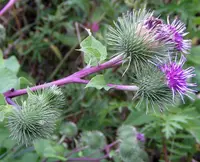
This species produces small star-shaped burrs with sharp hooked spines that readily attach to animal fur, clothing, and machinery, making it an efficient hitchhiker for long-distance seed dispersal.
Originally native to South America, this annual has become a pantropical weed and now occurs in many warm regions worldwide, especially in disturbed sites such as pastures, roadsides, and crop fields.
The plant often forms low, spreading mats that can quickly cover open soil, which helps it outcompete nearby seedlings and can interfere with the establishment of forage grasses and crops.

In some coastal and island environments, this species has been recorded stabilizing loose sandy soils because its sprawling, mat-forming growth helps reduce surface erosion, even while it is still regarded as an invasive weed in those same systems.
This species spreads quickly by seed and can form dense patches in open soil. Frequent weeding before seed set, mulching bare ground, and removing plants from disturbed areas help keep growth under control in home gardens.
Keep your plants happy and healthy with plant identification, disease detection, and easy care guidance.