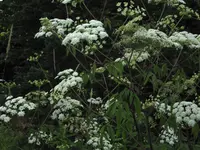
bulblet-bearing water hemlock Care (Cicuta bulbifera)

Also known as: bulbous water-hemlock, bulb-bearing water-hemlock, bulblet water hemlock
bulblet-bearing water hemlock

About bulblet-bearing water hemlock

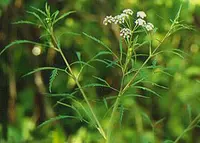
Bulblet-bearing water hemlock, Cicuta bulbifera, is a highly toxic, herbaceous perennial native to wetlands, marsh edges, and shallow waters across parts of North America. It spreads by slender, hollow stems and produces narrow, grass-like leaves and small bulbils along the stems, which help the plant colonize saturated soils. Umbels of tiny white flowers appear in season, giving it a delicate look that contrasts sharply with its extreme toxicity. The species naturally prefers full sun to light shade, consistently wet conditions, and organic, mucky substrates, which makes intentional cultivation both hazardous and impractical for most gardeners who may wonder how to care for bulblet-bearing water hemlock.


Main Plant Requirements

Care Difficulty

Hard Care

Light Preference

Full Sun

Water Requirements

Aquatic

Temperature Preference

Cold Hardy

Hardiness Zone

3–8

Soil Texture

Loamy, Silty, Organic-rich

Soil pH

Acidic (5.5–6.5), Slightly acidic (6.5–7.0)

Soil Drainage

Waterlogged tolerant

Fertilization

Minimal (feed rarely)

Get Personalized Care Plan

Scan your plant to receive care tips personalized for your specific plant

Available on iOS and Android

How to Care for the bulblet-bearing water hemlock

This wetland perennial requires consistent sun exposure to fuel strong vegetative growth.

  • Provide 6–8 hours of direct sun daily; bulblet-bearing water hemlock thrives in open, unshaded marshes, pond margins, and ditches.
  • Tolerates light partial shade (3–4 hours sun) but stems may elongate and flowering can decrease under denser canopy cover.
  • Monitor for leaf scorching in very hot summers when reflected heat is high; in northern climates, full sun all day is generally safe and preferred.

This species is adapted to saturated, waterlogged conditions rather than intermittently dry soils.

  • Maintain consistently wet to submerged soil; natural populations of Cicuta bulbifera often grow in standing or slow-moving water.
  • Avoid allowing the substrate surface to dry; if soil begins to crack or pull from container or bank edges, moisture is too low.
  • Watch for stress signs: underwatering leads to rapid wilting and browning of fine foliage, while stagnant, foul-smelling water with rotting roots suggests poor oxygenation rather than excess moisture alone.

This cold-hardy wetland plant tolerates a wide temperature range but grows best in cool to mild conditions.

  • Optimal active growth occurs around 60–75°F (16–24°C), especially in spring and early summer when soil moisture is high.
  • It survives winter dormancy down to about 0–5°F (-18 to -15°C) under natural conditions, particularly where crowns are insulated by water or snow cover.
  • During hot spells above 86°F (30°C), growth may slow; stable water levels and some protection from hot, drying winds help reduce heat stress.

This species naturally grows in saturated wetlands, so ambient humidity is rarely a concern in cultivation.

This plant is adapted to saturated, organic wetland substrates rather than typical garden soil.

  • Use a deep container or bog bed filled with fine, organic-rich muck or peat-based medium blended with loam to mimic wetland mud.
  • Maintain soil that is permanently wet to shallowly flooded with no standing anaerobic smell stronger than typical swamp odor, indicating extreme stagnation.
  • Aim for slightly acidic to neutral conditions, roughly pH 5.5–7.0, using peat or leaf mold to acidify if the water source is alkaline.
  • Avoid coarse, fast-draining sand or gravel mixes, since Cicuta bulbifera declines quickly if its root zone dries even briefly.

This species can be grown in containers that replicate a permanently wet bog or pond-edge environment.

  • Select a wide, heavy container to resist tipping when the tall stems and saturated medium make the setup top-heavy.
  • Line the pot with a pond liner or use a solid tub without drainage holes so water can remain 2–5 cm above the soil surface.
  • Place the container inside a larger outer tray or pond feature to catch overflow and stabilize water levels during hot, evaporative weather.

In natural or pond-edge settings, bulblet-bearing water hemlock usually requires no fertilizer because it grows in nutrient-rich, wet soils.

Pruning Cicuta bulbifera is rarely needed and is done mainly for safety and access management rather than plant health.

  • If cutting is necessary, work in late fall or winter when growth is slow and plants are more visible and stable.
  • Remove only dead, damaged, or obstructive stems using sharp, long-handled pruners to limit contact with toxic sap.
  • Cut stems at the base, above the soil line, without disturbing saturated soils or nearby native wetland vegetation.

This species is not suited to normal garden containers; management focuses on careful transplanting in wetland or pond-edge restoration settings.

  • Transplant only if plants are clearly overcrowded, shading desired species, or growing in a location that conflicts with site use.
  • Carry out moves in early spring or early fall when soils are cool and consistently moist to reduce stress on roots and shoots.
  • Lift plants with a spade that keeps a large, intact soil clump, minimizing disturbance to the fibrous roots and surrounding hydrology.
  • Replant at the same depth in similar saturated, organic soil, then keep the site evenly wet while the root system re-establishes.

Intentional propagation of Cicuta bulbifera is generally discouraged because this wetland species is highly toxic to humans and animals.

In its native range this plant is cold hardy and usually needs no special winter care in the ground.

  • Roots tolerate typical freezes where hardy, especially in consistently wet, unfrozen or slowly freezing soils.
  • In exposed, fluctuating-water sites, a light mulch of coarse organic matter can stabilize soil temperature around the crown.
  • Potted specimens, if ever maintained for research, should be moved to a cold but frost-free, bunded area to avoid container freeze-thaw damage.

Care Tips

Secure Containment

Always grow this species in a clearly marked, fenced, or caged area away from paths, pets, livestock, children, and edible crops, and keep a minimum buffer strip of mown grass or bare ground around the planting to reduce accidental contact or spread.

Use PPE Handling

When planting, thinning, or removing material, wear waterproof gloves, long sleeves, and eye protection, and wash exposed skin, tools, and gloves with soap and water afterward to reduce risk from the plant’s highly toxic sap.

Controlled Spread Management

Inspect the stand several times per season and promptly remove and securely bag any stray plants or dislodged bulblets that appear outside the intended area so the colony does not escape into natural wetlands or drainage ditches.

Safe Debris Disposal

Do not compost any part of the plant; instead, seal all cut stems, roots, and bulblets in heavy-duty bags for municipal trash or follow local hazardous weed disposal guidance, ensuring no fragments are left where animals might feed.

Mapped Emergency Info

Keep a simple site map showing the exact location of the planting and store it with written notes on the species’ identity and toxicity so emergency responders and medical staff can access clear information if exposure occurs while caring for bulblet-bearing water hemlock.

Common Pests and Diseases

Leaf beetles

These insects feed on foliage, chewing holes and ragged edges in leaves, especially along wetland margins where the plant grows densely.

Solution

Hand-pick visible beetles and larvae into soapy water and, where access is safe, shake stems over a container to dislodge them; in larger stands, encourage natural predators by maintaining plant diversity and avoid broad-spectrum insecticides that could disrupt wetland insect communities.

Aphids

These insects cluster on young stems and undersides of leaves, sucking sap and causing curling, distortion, and sticky honeydew that can attract sooty mold.

Solution

Rinse colonies off stems and leaves with a firm stream of clean water from shore where it is safe to stand, and if needed apply a targeted insecticidal soap only to infested foliage, avoiding overspray into open water to protect aquatic organisms.

Leaf spot

This disease causes small to medium brown or dark lesions on leaves that may merge into larger dead areas, more often in crowded, humid wetland stands.

Solution

Remove and discard heavily spotted leaves where safe access is possible, avoid trampling that compacts soil and restricts airflow between stems, and if the plant is in a managed pond edge, thin overcrowded clumps to improve air movement and reduce prolonged leaf wetness.

Interesting Facts

Bulblets in leaf axils

This species produces small vegetative bulblets in the leaf axils rather than relying only on seed, allowing it to clone itself efficiently along wet shorelines and marsh edges.

Strict wetland specialist

It is strongly tied to shallow, standing or slow-moving freshwater and is typically found rooted in saturated organic soils or shallow water along lake margins, beaver ponds, and quiet stream backwaters in northern North America.

Highly toxic cicutoxin

All parts of this plant contain cicutoxin, a potent neurotoxin that affects the central nervous system and makes this species one of the most dangerous native wetland plants for livestock and humans when ingested.

Botan icon

Did you know?

Cicuta bulbifera is one of only a few North American umbellifers that commonly reproduces and spreads through detachable aerial bulblets, which can break off, float short distances, and establish new clonal patches in suitable wetland habitat.

FAQs about bulblet-bearing water hemlock

Every part of this species is extremely toxic to humans and animals, including roots, stems, leaves, bulblets, and seeds. Even small amounts can cause seizures, respiratory failure, and death. Avoid touching, ingesting, or allowing pets near it.

Grow Healthy Plants with Botan Care

Keep your plants happy and healthy with plant identification, disease detection, and easy care guidance.

Botan plant care app — identify plants on mobile

Explore More Plants