Adromischus trigynus Care

Adromischus trigynus

About Adromischus trigynus

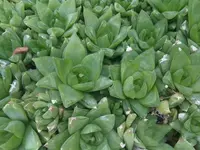
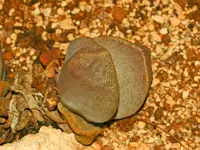
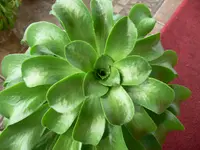
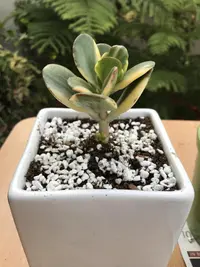
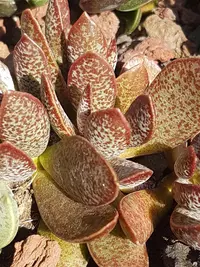
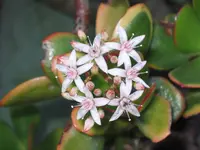
Adromischus trigynus is a compact, slow-growing succulent from South Africa, valued for its thick, triangular leaves often speckled or mottled in gray, green, and purple tones. It typically forms a low, clustered rosette that stays small, which makes it suitable for windowsills and small indoor collections.

In its rocky natural habitat, it grows in gritty, well-drained soil with bright, dry conditions. These adaptations make it a relatively forgiving plant, as long as excess moisture is avoided. Understanding how to care for Adromischus trigynus mainly involves providing strong light, porous soil, and careful, infrequent watering.

Main Plant Requirements

Care Difficulty

Easy Care

Light Preference

Partial Sun

Water Requirements

Low Water

Temperature Preference

Tropical / Frost Sensitive

Hardiness Zone

10–11

Soil Texture

Sandy, Loamy, Rocky

Soil pH

Slightly acidic (6.5–7.0), Neutral (7.0)

Soil Drainage

Well-drained

Fertilization

Minimal (feed rarely)

Get Personalized Care Plan

Scan your plant to receive care tips personalized for your specific plant

Available on iOS and Android

How to Care for the Adromischus trigynus

This compact succulent prefers bright, direct light for strong, compact growth.

  • Provide 4–6 hours of direct morning sun plus bright light the rest of the day; light afternoon shade is helpful in hot, dry regions.
  • Adromischus trigynus tolerates bright partial shade, but low light causes stretched, pale growth and fading leaf markings.
  • In summer, protect from intense midday sun to avoid leaf scorch; in winter, move closer to the brightest window or a south-facing exposure to compensate for shorter days.

This species stores water in its leaves and needs thorough but infrequent watering.

  • Allow the top 3–5 cm of soil to dry completely before watering, then water deeply so it drains fully from the pot or bed.
  • Reduce watering in winter to light, infrequent drinks when leaves just begin to soften, as growth slows and roots use less moisture.
  • Signs of overwatering include mushy, translucent leaves and blackened stems; underwatering shows as wrinkled, thin leaves but usually recovers after a careful soak.

This succulent prefers warm, dry conditions with protection from frost and extreme heat.

  • Aim for 65–80°F (18–27°C) during active growth for steady, compact development and good color.
  • Keep above 40–45°F (4–7°C); brief dips near this range are tolerated, but frost can damage leaves and kill roots.
  • In hot spells above 90°F (32°C), provide light shade and good airflow, and avoid cold drafts or sudden swings when moving plants between outdoor and indoor spots.

This compact succulent prefers dry household air and does not need extra humidity.

This species needs a very fast-draining, mineral-rich mix that dries quickly between waterings.

  • Use a gritty, sandy mix such as cactus substrate amended with extra pumice or coarse perlite for sharper drainage.
  • Aim for a slightly acidic to neutral pH around 6.0–7.0, avoiding very acidic or alkaline blends that can limit nutrient uptake.
  • Include only a small amount of organic matter, such as fine bark or compost, to avoid moisture retention that can trigger root rot.
  • Avoid dense peat-heavy or clay-based mixes; if a mix feels spongy or compacts when wet, add more mineral grit before planting Adromischus trigynus.

This succulent is well suited to container growing due to its compact, shallow root system.

  • Choose a wide, shallow pot so the shallow roots occupy the volume quickly, reducing the risk of prolonged wet pockets.
  • Select unglazed terracotta for slightly faster moisture loss if watering tends to be on the heavier side.
  • Raise the container on pot feet or a stand so drainage holes stay clear and water can exit rapidly after each watering.

This compact succulent needs only light feeding to stay healthy in containers.

  • Use a balanced liquid fertilizer (for example 10-10-10) diluted to 25–50% strength, labeled safe for succulents or cacti.
  • Feed Adromischus trigynus once every 4–6 weeks during spring and summer when growth is active.
  • Skip compost-heavy mixes that stay wet; choose mineral-rich, low-organic substrates instead.
  • Stop feeding in fall and winter, when growth slows, to avoid weak, stretched tissues.

This plant needs minimal pruning, mainly to maintain a compact, healthy shape.

  • Best time for light pruning is late spring to summer, during active growth.
  • Remove dead, shriveled, or damaged leaves at the base using clean fingers or small snips.
  • Pinch back overly long stems to encourage branching and a denser rosette cluster.
  • Disinfect small scissors or snips with alcohol before use to reduce infection risk.

This slow-growing succulent prefers tight pots and infrequent repotting.

  • Repot every 2–3 years, or when roots circle the pot, mix dries extremely fast, or growth stalls.
  • Choose spring for repotting to allow Adromischus trigynus to recover quickly during active growth.
  • Use a shallow container with drainage holes and a gritty, fast-draining cactus/succulent mix.
  • Gently loosen roots, remove old soil, let any damages callus briefly, then replant and water lightly after a few days.

Propagation is commonly done from individual leaves or short stem cuttings.

  • Take healthy leaves or 3–5 cm stem sections in late spring or early summer.
  • Allow cut surfaces to dry and callus for 2–3 days in bright, dry air before planting.
  • Place cuttings on or just in a barely moist, sandy succulent mix with bright, indirect light.
  • Keep temperatures around 70–80°F and moisture very light until roots and small new rosettes form.

This succulent is frost-tender and needs protection in climates with cold winters.

  • Keep plants above 40°F; aim for 45–55°F indoors with bright light and low humidity.
  • Bring containers indoors before the first frost, using a sunny windowsill or grow lights.
  • Reduce watering significantly in winter, allowing soil to dry completely between small sips.
  • Ensure good air circulation and avoid cold drafts on foliage to limit rot and stress.

Care Tips

Rotate For Symmetry

Turn the pot 90° every 2–3 weeks so the rosette develops evenly and the leaves do not stretch or twist toward a single light source.

Use Top Dressing

Apply a thin layer of decorative gravel or pumice on the soil surface to keep leaves dry at the base, reduce fungus gnat activity, and stabilize the shallow root system.

Seasonal Rest Adjustment

In winter, move the plant to the brightest available spot and slightly reduce handling and repotting to respect its semi-dormant phase and prevent stress.

Inspect Leaf Undersides

Check the undersides of leaves and tight leaf gaps every few weeks for early signs of mealybugs, then isolate and treat promptly if any white cottony clusters appear.

Compact Pot Selection

Choose a shallow, snug terracotta pot only 1–2 in wider than the plant so the root zone dries at a healthy rate and helps maintain the compact form when caring for Adromischus trigynus.

Common Pests and Diseases

Mealybugs

This pest feeds on leaf bases and stem joints, where cottony clusters become visible and new growth may weaken or distort.

Solution

Isolate the plant, then dab visible mealybugs with cotton swabs dipped in 70% isopropyl alcohol and repeat weekly until no new insects appear; for heavier infestations, use a ready-to-use insecticidal soap or neem oil spray, ensuring the solution reaches tight leaf crevices and allowing the plant to dry in bright, indirect light afterward.

Aloe mite

This pest, an eriophyid mite, causes corky, raised, or warty growths on leaves, often starting near the tips or along margins of the rosettes.

Solution

Remove and discard all visibly deformed leaves with sterile tools, dispose of debris away from other succulents, and keep the plant isolated; in collections with confirmed eriophyid mites, apply a sulfur-based miticide or other product labeled for eriophyid mites and improve spacing and airflow to reduce spread when growing Adromischus trigynus.

Leaf spot

This disease causes small water-soaked or tan spots on leaves that may darken, merge, and cause tissue collapse under prolonged surface moisture.

Solution

Remove affected leaves, allow the soil to dry more between waterings, and avoid wetting the foliage; improve airflow, and if spotting continues, apply a copper-based or other succulent-safe fungicide according to label directions while keeping the plant in bright, indirect light during recovery.

Basal stem rot

This disease begins at the stem base, where tissue becomes soft, discolored, and may emit a foul odor, leading to sudden collapse of the rosette.

Solution

At the first signs, unpot the plant, cut away all soft or brown tissue with sterile tools, and allow any healthy firm sections to callus in a dry, bright area for several days before re-rooting in a fresh, gritty succulent mix; reduce watering volume and frequency, and ensure the pot has excellent drainage and strong light to prevent recurrence.

Spider mites

These insects are tiny sap-feeding mites that cause fine speckling on leaves, dulling the marbled pattern and sometimes leaving thin webbing in the rosette center.

Solution

Rinse the plant gently but thoroughly with lukewarm water, then treat with a ready-to-use insecticidal soap or horticultural oil, focusing on the undersides of leaves and leaf junctions; repeat every 7–10 days for several cycles and increase humidity slightly around the plant while keeping good airflow, as very hot, dry air favors mite buildup.

Interesting Facts

Three-pistil flowers

The species name trigynus refers to its flowers often having three pistils, the female reproductive structures, which is distinctive within its genus and helped define the species botanically.

Spotted leaf camouflage

Its thick, flattened leaves carry irregular purple or maroon spots that can help break up the outline of the plant against rocky backgrounds in its native South African habitat, offering visual camouflage from herbivores.

Cliff and rock crevice habit

In the wild it commonly grows in shallow soil pockets on rocky slopes and in crevices, where excellent drainage and intense light have shaped its compact, low-growing form and succulent water-storing leaves.

Botan icon

Did you know?

Some populations of this species show notable variation in leaf shape and spotting pattern between nearby locations, and this micro-local diversity has led to taxonomic debates over how many varieties should be recognized, making it a reference example in discussions of species limits within Adromischus.

FAQs about Adromischus trigynus

Brown leaves usually result from sun scorch, prolonged underwatering, or old age of lower leaves. Check for very dry soil, harsh midday sun, or cold drafts. Remove damaged leaves and adjust conditions so new growth develops normally.

Grow Healthy Plants with Botan Care

Keep your plants happy and healthy with plant identification, disease detection, and easy care guidance.

Botan plant care app — identify plants on mobile

Explore More Plants