droopy leaf Care (Aglaia elaeagnoidea)

Also known as: priyangu
droopy leaf

About droopy leaf

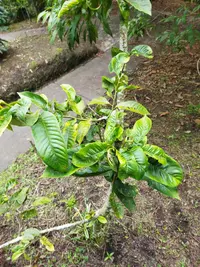
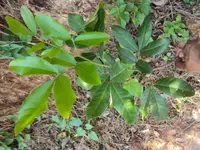
Droopy leaf, Aglaia elaeagnoidea, is an evergreen shrub to small tree from tropical and subtropical Asia and northern Australia. It is usually grown outdoors in warm climates, not as a houseplant. The plant has glossy, softly drooping foliage and small yellowish flowers followed by round fruits, giving it a neat, ornamental look in larger gardens. In nature it occurs in coastal forests, thickets, and secondary woodland, showing good tolerance to heat, humidity, and wind. This background makes it relatively resilient but not suited to cold or frost. For those who want to care for droopy leaf successfully, it generally prefers bright light, warm temperatures, and well-drained soil with steady moisture.

Main Plant Requirements

Care Difficulty

Moderate Care

Light Preference

Partial Shade

Water Requirements

Moderate Water

Temperature Preference

Tropical / Frost Sensitive

Hardiness Zone

11–12

Soil Texture

Sandy, Loamy, Organic-rich

Soil pH

Acidic (5.5–6.5), Slightly acidic (6.5–7.0)

Soil Drainage

Well-drained

Fertilization

Minimal (feed rarely)

Get Personalized Care Plan

Scan your plant to receive care tips personalized for your specific plant

Available on iOS and Android

How to Care for the droopy leaf

Aglaia elaeagnoidea prefers bright, indirect light with some gentle direct sun.

  • Provide 3–5 hours of morning sun, then bright filtered light for the rest of the day; avoid harsh afternoon sun to prevent leaf scorch.
  • Tolerates partial shade, but prolonged low light reduces flowering and can cause droopy leaf and sparse, stretched growth.
  • In hot summers, give dappled shade under taller trees; in cooler seasons, allow a bit more direct sun to support steady growth.

Watering should keep the root zone moist but never saturated.

  • Allow the top 3–5 cm of soil to dry before watering again, using finger-checks rather than a fixed calendar schedule.
  • In warm growing seasons, expect to water more often as new shoots develop; reduce frequency in cooler months when growth slows.
  • Watch for yellowing, soft leaves as a sign of overwatering, and crisp leaf edges or curling as signs the plant needs deeper, more thorough watering and better soil moisture retention.

This species prefers warm, frost-free conditions for reliable growth.

  • Ideal growing temperatures are 70–86°F (21–30°C), which support steady leaf and shoot development without stress.
  • It can tolerate brief drops to about 50°F (10°C) but growth slows; protect from any frost, as freezing can kill young shoots and fine roots.
  • In hot climates above 95°F (35°C), provide extra shade and soil mulch to limit heat stress, and avoid planting in cold wind pockets.

This species prefers moderate humidity and handles typical indoor levels if extremes are avoided.

  • Aim for 40–60% humidity; it tolerates brief dips lower but constant very dry air can slow growth.
  • Low humidity stress shows as leaf-edge browning and a slightly droopy leaf appearance, especially on new growth.
  • Increase humidity with a nearby pebble tray or grouped plants rather than misting, which adds moisture only briefly.

Aglaia elaeagnoidea grows best in loose, well-aerated, slightly acidic to neutral soil with rapid drainage.

  • Use a loamy mix with 40–60% organic matter such as compost plus mineral components like sand or fine gravel.
  • Aim for pH 6.0–7.0 to support nutrient availability and reduce risk of micronutrient deficiencies.
  • Add perlite or pumice to improve pore space so roots receive oxygen and water drains within a few minutes of watering.
  • Avoid heavy clay, waterlogged sites, or compacted mixes that stay wet and encourage root rot and slow growth.

This species adapts well to container growing when the pot supports its woody root system and eventual size.

  • Choose a deep, wide container that allows a developing woody root system to anchor the plant securely.
  • Use a heavier pot material, such as thick ceramic, to reduce tipping as stems become taller and more top-heavy.
  • Elevate the container slightly on feet or blocks so drainage holes stay clear and water leaves the pot quickly.

Aglaia elaeagnoidea benefits from light, steady feeding rather than heavy nutrient doses.

  • Use a balanced NPK fertilizer (such as 10-10-10) at half strength every 4–6 weeks in the warm growing season.
  • Apply a thin layer of compost over the root zone in spring to support soil structure and slow nutrient release.
  • For container plants, consider a slow-release granular product mixed into the topsoil at the start of the season.
  • In winter or cool dormant periods, reduce feeding to once midseason or stop entirely to avoid soft, weak growth; this supports healthy foliage when caring for droopy leaf.

Pruning Aglaia elaeagnoidea is mainly done to maintain a stable, balanced canopy and remove weak growth.

  • Carry out structural pruning in late winter or early spring before vigorous new growth begins.
  • Remove dead, diseased, crossing, or inward-growing branches to improve air flow and light penetration.
  • Shorten or thin crowded shoots to control height and spread, guiding the plant into a strong, open framework.
  • Use clean, sharp bypass pruners or loppers and make cuts just above a bud or branch junction to promote proper healing.

This species is usually grown in the ground, so focus on thoughtful transplanting rather than frequent repotting.

  • Transplant in late winter to early spring when growth is slow and temperatures are mild.
  • Look for signs such as roots circling the planting hole, stunted growth, or drying soil to judge if a container specimen needs a larger pot.
  • Move up 1–2 pot sizes or to a wider planting hole, keeping the root flare at soil level and backfilling with well-draining soil.
  • Water thoroughly after moving, shade the plant for 7–10 days if sun is intense, and keep soil evenly moist to reduce root stress.

Aglaia elaeagnoidea is most often propagated by seeds or semi-hardwood cuttings under warm, stable conditions.

  • Collect ripe seeds, clean the pulp, and sow in a free-draining mix at 70–80°F with consistent light moisture.
  • Take semi-hardwood cuttings in late spring to summer, using non-flowering shoots 10–15 cm long with several nodes.
  • Dip the cut end in a rooting hormone, insert into a sterile, well-aerated medium, and keep humidity high with bright, indirect light.
  • Allow several weeks to months for root development, disturbing cuttings as little as possible until new growth appears.

In mild to warm climates this tree needs minimal winter attention, but it is sensitive to hard frost in colder regions.

  • In areas below 30°F, grow in a sheltered microclimate close to buildings or walls to reduce frost exposure.
  • Mulch the root zone with 5–8 cm of organic material, keeping it slightly away from the trunk to insulate soil and roots.
  • For young or container plants, wrap stems with breathable frost cloth or move pots indoors to a bright, cool, frost-free space.

Care Tips

Wind‑firm training

In exposed sites, lightly stake young plants for the first 1–2 years and remove supports gradually so the trunk and roots strengthen against wind rather than staying dependent on the stake.

Structured canopy shaping

When the plant is young, select 3–5 evenly spaced main branches and remove crowded interior shoots annually to build a stable, airy canopy that resists storm damage and improves light penetration.

Salt‑spray management

In coastal gardens, lightly hose foliage with fresh water every few weeks during dry spells to reduce salt buildup on leaves and soil surface, which helps prevent marginal leaf burn.

Mulch root zone

Maintain a 5–8 cm ring of coarse organic mulch over the root zone, keeping it 5 cm away from the trunk, to moderate soil temperature, conserve moisture, and reduce weed competition without risking stem rot.

Low‑impact pest monitoring

Check the undersides of leaves and new shoots monthly for scale and leaf‑chewing caterpillars, and remove small infestations by hand or with a soft brush and water before resorting to targeted treatments as part of caring for droopy leaf in a landscape setting.

Common Pests and Diseases

Scales

This pest attaches firmly to twigs and leaves, sucking sap and causing yellowing, leaf drop, and general decline in young plants. Symptoms include small, rounded, brown or gray shell-like bumps on stems and leaf undersides.

Solution

Prune and destroy heavily infested twigs, then wipe remaining colonies with cotton pads dipped in diluted alcohol or insecticidal soap, focusing on the undersides of leaves and young stems. For outdoor landscape trees, encourage natural enemies such as lady beetles and parasitic wasps, and if needed apply a light horticultural oil spray during mild weather, coating stems thoroughly.

Leaf miners

These insects feed inside the leaf blade, creating pale winding tunnels that distort the foliage. Symptoms include thin, meandering, whitish trails and occasional blistered areas on tender leaves.

Solution

Remove and dispose of mined leaves promptly to break the life cycle before larvae pupate. For larger outdoor specimens, encourage beneficial insects, avoid broad-spectrum insecticides, and if damage is persistent use a systemic product labeled for leaf miners, following local guidelines and applying only when new flushes of growth begin.

Sooty mold

This disease develops as a black, powdery or velvety coating on leaves and twigs, usually growing on honeydew excreted by sap-sucking insects like scales and aphids. Symptoms include sticky foliage, reduced photosynthesis, and dull, dirty-looking leaves.

Solution

Rinse foliage with a firm but gentle stream of water to remove honeydew and existing mold, and manage the underlying insect pests so new honeydew is not produced. Prune congested interior branches to improve airflow and light penetration, which helps leaves dry faster and limits further mold development.

Anthracnose leaf spot

This disease causes irregular brown to dark-tan lesions on leaves, often starting along the leaf margins or between veins, and can lead to premature leaf drop in humid climates. Symptoms include patchy spotting that may coalesce into larger dead areas on mature foliage.

Solution

Collect and dispose of fallen leaves to reduce fungal spores, and water at the base rather than overhead so foliage stays as dry as possible. In repeatedly affected sites, thin interior branches to improve airflow and, if needed, apply a copper or other registered fungicide at the start of the rainy season, following local label directions.

Interesting Facts

Fragrant timber tree

This species is a medium-sized evergreen tree whose wood is fine-textured, pale to yellowish, and lightly fragrant, so it is sometimes used locally for small wooden objects and light construction in its native range from India to Southeast Asia and northern Australia.

Specialist butterfly host

The leaves serve as a larval host plant for certain swallowtail butterflies in Asia, including species in the genus Papilio, providing food for caterpillars that later become important pollinators in the same habitats.

Salt-spray tolerant foliage

This tree naturally occurs in coastal forests and strand vegetation, where its tough, olive-like leaves tolerate salt-laden winds and sandy, nutrient-poor soils better than many inland forest trees, which helps it stabilize shorelines and coastal thickets.

Botan icon

Did you know?

In parts of South and Southeast Asia, traditional fishing communities have long used the crushed seeds and fruits of this species as a fish stupefying agent in small water bodies, taking advantage of naturally occurring bioactive compounds while strictly limiting use to controlled, local contexts.

FAQs about droopy leaf

Flowering is reduced by low light, nutrient-poor soil, heavy pruning at the wrong time, or a very young plant. Provide stable warmth, moderate nutrition, and avoid cutting new shoots just before the natural flowering period.

Grow Healthy Plants with Botan Care

Keep your plants happy and healthy with plant identification, disease detection, and easy care guidance.

Botan plant care app — identify plants on mobile

Explore More Plants