
Garlic Mustard Identification (Alliaria petiolata)

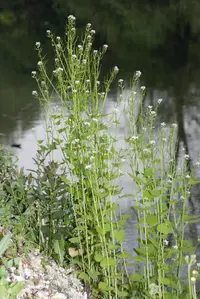
Recognize Garlic Mustard by its heart- to kidney-shaped leaves with scalloped edges, alternate along a single upright stem, and by small white flowers with four petals arranged in a cross.

Plants usually stand 1 to 3 feet (30 to 90 cm) tall, with upper leaves smaller and more triangular than the lower ones.

Alliaria petiolata Identification

Identify a Plant by Photo

Check your plant ID by uploading a clear photo to Botan.

Clear images work best. Avoid photos taken too close or too far away

Check the plant’s leaves, flowers, and pods for a quick visual match.

  • Leaves are heart- to kidney-shaped with coarse, rounded teeth and long stalks.
  • Leaves are alternate on the stem, not paired opposite each other.
  • Open flowers have 4 white petals in a cross shape, each flower about 1/4 inch (6 mm) across.
  • Seed pods are slender, upright, and straight, held close to the stem.
  • Plants often stand 1 to 3 feet (30 to 90 cm) tall with one or more smooth green stems.

Use several traits together, especially the 4-petaled flowers and narrow upright pods.

Alliaria petiolata shows distinct first-year and second-year forms that are useful for identification.

  • Seedling: Seedlings show small, rounded to kidney-shaped first leaves on long stalks, forming a low basal start rather than an upright stem.
  • Juvenile plant: The first-year plant stays a basal rosette. Leaves are heart-shaped with rounded teeth, broader than long, and sit close to the ground.
  • Flowering stage: In the second year, an upright, usually unbranched stem rises 1-3 feet (30-90 cm). Upper leaves become more triangular and smaller upward.
  • Fruiting stage: After flowering, narrow, upright seedpods line the upper stem. The white four-petaled flowers are replaced by many slender pods, giving a more vertical outline.

In spring, Garlic Mustard is often easiest to spot when small white four-petaled flowers rise above the leafy stems. By early summer, slender upright seed pods become obvious along the stems after flowering. Through winter, first-year rosettes often remain green and close to the ground, while many surrounding plants have died back. That low rosette can be a useful cold-season clue.

Several spring woodland herbs can be mistaken for Garlic Mustard at a glance.

Dame's rocket(Hesperis matronalis)

Both have basal rosettes and clusters of purple to white flowers. Dame's rocket has four separate petals and clasping upper leaves; Alliaria petiolata has heart-shaped, stalked leaves.

Violets(Viola spp.)

Both can show rounded, heart-shaped basal leaves early in spring. Violets stay in a low clump and have solitary five-petaled flowers, not tall racemes.

Ground ivy(Glechoma hederacea)

Both have scalloped, kidney- to heart-shaped leaves. Ground ivy creeps along the ground on trailing stems and bears paired tubular purple flowers, not upright flowering stalks.

Native to Europe, western Asia, and parts of North Africa, Alliaria petiolata occurs naturally in deciduous woods, shaded hedgerows, forest edges, streambanks, and other disturbed, semi-shaded places. That setting helps with identification because this species is most often found in moist, fertile woodland margins rather than open dry grassland or wetlands. A garlic-scented mustard growing in spring along trails, fence lines, or shaded banks fits the usual habitat pattern.

Alliaria petiolata has one practical safety concern: it can be confused with more harmful spring woodland plants during casual picking.

  • Hazardous look-alike risk: Leaves of first-year rosettes can resemble poison hemlock seedlings or some toxic mustards at a glance. This matters for ingestion by humans. A useful check is the garlic odor released when a leaf is crushed; dangerous look-alikes do not have that odor.

Scan. Check. Confirm.

Use Botan to identify or verify the plant from a photo, helping avoid mix-ups with similar species.

FAQ

The most useful check is the garlic odor from crushed leaves or stems. In how to identify Garlic Mustard, pair that smell with kidney- to heart-shaped, coarsely toothed lower leaves and small white four-petaled flowers.

More Plant Identification Guides

From Plant ID to Plant Info

Identify a plant from a photo with Botan, then review species details, care information, and safety notes.

Botan app identifying a plant from a photo
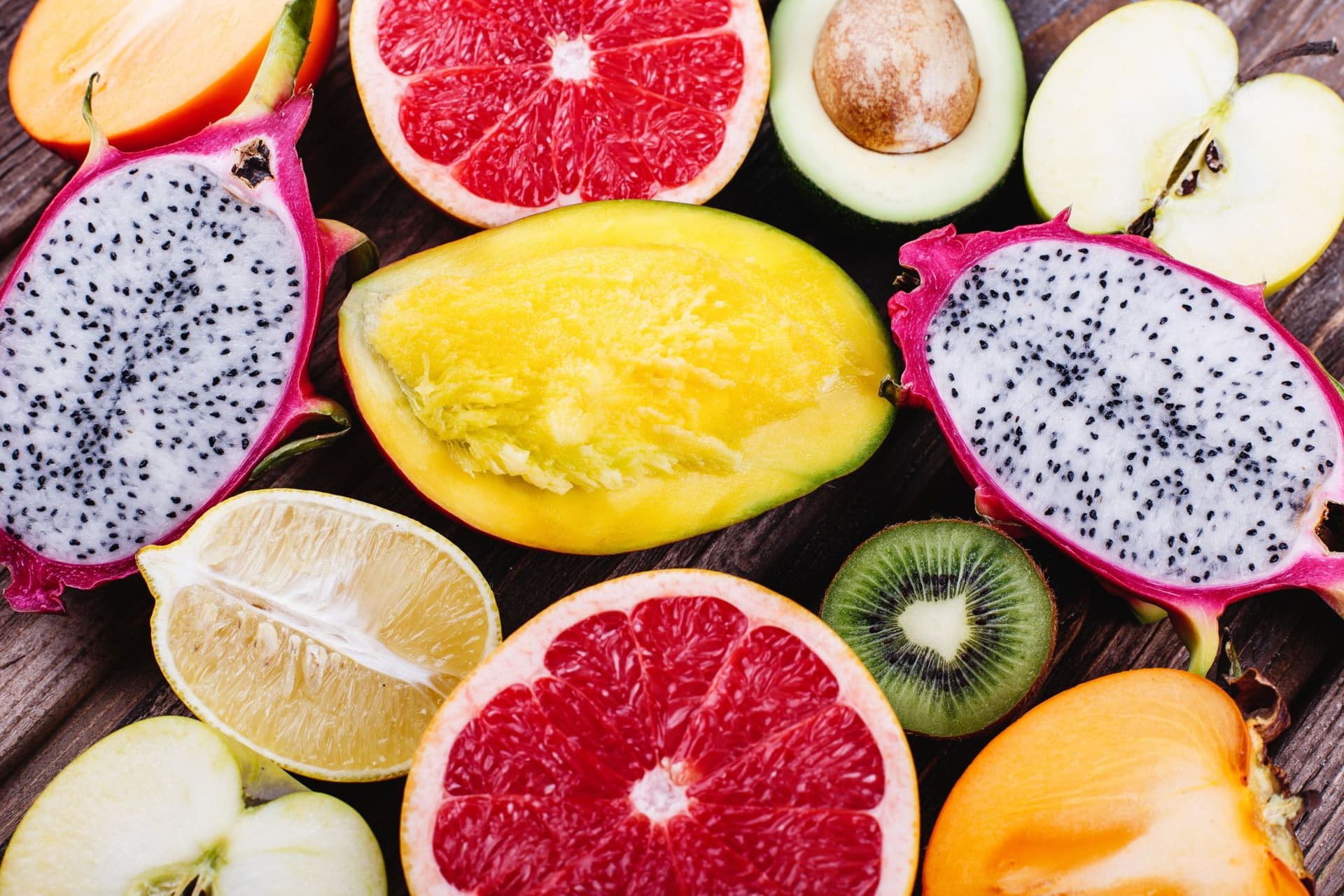
20 Most Popular Fruits Around the World

7 min read · 22 Jul 2026

20 Most Popular Fruits Around the World

Curious which fruits the world actually eats the most? Here's the top-20 by production volume, an overview of what people choose in each region, and a few figures that defy common assumptions.

Plant Recommendations
20 Most Popular Fruits Around the World
Best Time to Mow Lawn – A Complete Guide

5 min read · 10 Aug 2026

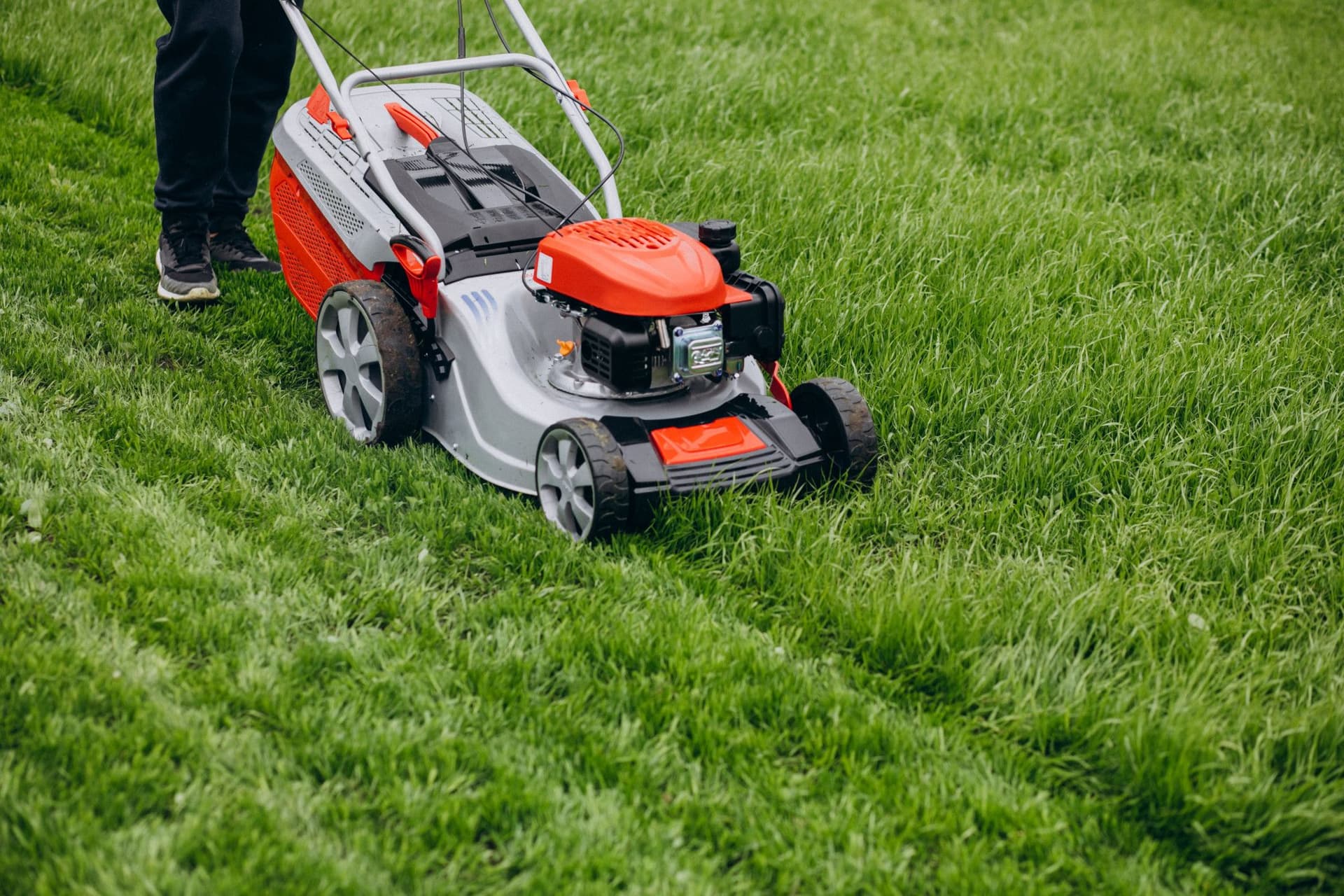
Best Time to Mow Lawn – A Complete Guide

Explore when to mow your lawn for its health and a pleasant green color. Find out the best time for this task during the summer heat, and follow practical tips for correctly cutting the grass, and learn common mistakes to avoid.

Plant Care
Best Time to Mow Lawn – A Complete Guide
Best Time to Water Grass in Summer – Lawn Watering Tips

5 min read · 21 Jul 2026

Best Time to Water Grass in Summer – Lawn Watering Tips

Summer watering is easy to get wrong. This guide explains when to turn on your sprinkler, how much liquid your grass needs each week, and how to tell if you're overwatering or underwatering.

Plant Care
Best Time to Water Grass in Summer – Lawn Watering Tips