

Zebra Plant (Alocasia zebrina) Light Needs

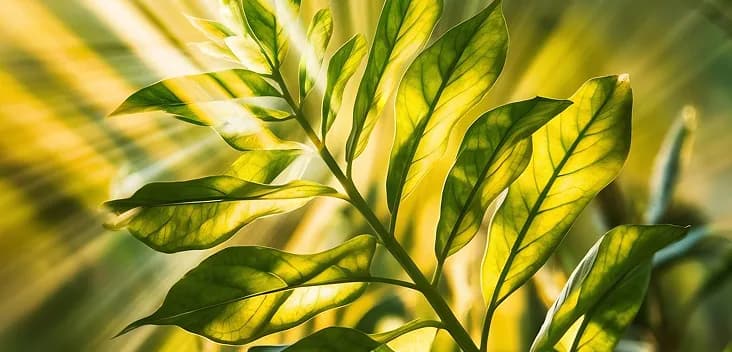
Zebra Plant grows best in bright indirect light, with brief gentle morning sun tolerated in stable indoor conditions.

Light Preference

Bright Indirect Light

Alocasia zebrina Light Requirements

Alocasia zebrina is native to tropical forest habitats in the Philippines, where tall vegetation breaks up direct sun before it reaches the forest floor. Light is bright but filtered, with short periods of softer sun possible near openings or forest edges.

This pattern explains why cultivated plants handle partial shade but do best when light is stronger than a dim corner. Preferred light is bright indirect or filtered light.

  • Ideal exposure:

    Zebra Plant needs about 6–8 hours of bright, indirect or filtered light daily, including up to 1–2 hours of gentle direct morning sun.

  • Direct sun:

    Early sun is tolerated after gradual exposure, but hot midday or afternoon rays can scorch the leaf surface.

  • Lower light:

    Partial shade is tolerated, but growth may become slower and new leaves may emerge smaller indoors.

  • Afternoon exposure:

    West or unfiltered south light is safest only when softened by distance or a sheer curtain.

Indoors, place it where the leaves receive bright daylight without long exposure to harsh direct sun.

NConditional
North-facing window:

Use a north window only if it is large, unobstructed, and the plant sits within 1–2 ft of the glass.

EBest
East-facing window:

An east window gives useful morning sun and bright indirect light for the rest of the day.

SSuitable
South-facing window:

A south window is suitable when direct rays are filtered by a sheer curtain or the plant is set 3–6 ft back.

WConditional
West-facing window:

A west window needs filtering or distance because afternoon sun can be too intense for the leaves.

Check the actual path of sun through the day, because nearby buildings and overhangs can change exposure.

Excess light usually shows on the most exposed leaves first.

Bleached patches:

Pale tan or whitish areas may appear on leaves that face the strongest window or outdoor sun.

Crisp sun spots:

Dry, papery marks can form after sudden exposure to direct rays, especially on newer leaves.

Leaf curling:

Leaves may curl or angle away during bright afternoon exposure as the surface heats.

Faded green:

The leaf color can look washed out rather than evenly deep green in overly exposed positions.

Move Alocasia zebrina out of direct afternoon sun and keep the light bright but filtered. If it was moved recently, reduce exposure first, then increase brightness gradually.

Weak light usually changes the shape and pace of growth before severe decline appears.

  • Long petioles:

    Leaf stalks may stretch farther than usual as the plant reaches toward the light source.

  • Leaning growth:

    The whole plant may angle strongly toward a window instead of holding a balanced form.

  • Smaller leaves:

    New leaves may open smaller, thinner, or less sturdy during the active growing season.

  • Slow active growth:

    Little or no new growth in spring or summer can suggest the light level is too low.

Move Alocasia zebrina to a brighter filtered position, avoiding a sudden jump into strong direct sun. Rotate the pot after the move to encourage more even growth.

When ideal exposure is not available, choose the brightest area with filtered sun rather than a dim corner. Keep the pot close enough to the light source for clear daytime brightness, but move it back if direct rays hit for hours.

Rotate the pot a quarter turn every 1–2 weeks so each leaf receives similar light.

A room far from glass is unsuitable because it usually cannot meet Alocasia zebrina light needs.

Get Personalized Care Plan

Scan your plant to receive care tips personalized for your specific plant

FAQ

The best light for Zebra Plant is bright indirect or filtered light for most of the day. A small amount of gentle morning sun is usually fine if introduced gradually.

Everything About Zebra Plant

More Plant Light Guides

Get the Botan App

Discover how to care for your plants with Botan.

Botan app identifying a plant with a phone camera
How Fast Does Bamboo Grow Per Day, Month, and Year

10 min read · 7 Jul 2026

How Fast Does Bamboo Grow Per Day, Month, and Year

Bamboo grows extremely fast: some species can reach 5-6 m in just 3-4 months under the right conditions. This guide explains how much bamboo can grow per day, week, and year, and what affects its growth rate.

Plant Recommendations
How Fast Does Bamboo Grow Per Day, Month, and Year
How to Use a Moisture Meter for Plants

5 min read · 4 Sept 2026

How to Use a Moisture Meter for Plants

Watering by feel kills plenty of houseplants. A moisture meter checks the soil for you, and takes the guesswork out of it. This guide will show you how to use it correctly, from the first touch to the final reading.

Beginner Guides
How to Use a Moisture Meter for Plants
Rice Water for Plants – Which Plants Love It and How to Make It

8 min read · 14 Jul 2026

Rice Water for Plants – Which Plants Love It and How to Make It

Rice water can be an ideal DIY solution for orchids, roses, or fruiting plants. It supports growth, leaf count, and height. We’ll share how to make and apply it correctly for your plant.

Plant Care
Rice Water for Plants – Which Plants Love It and How to Make It