Spiral aloe Care (Aloe polyphylla)

Spiral aloe

About Spiral aloe

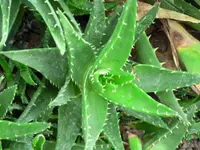
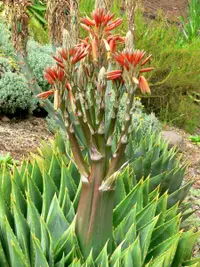
Spiral aloe (Aloe polyphylla) is a rare, compact succulent known for its striking leaf rosette that forms a precise clockwise or counterclockwise spiral. The plant stays low and architectural, making it visually distinctive even at a small size.

It is native to high, cool, misty slopes in Lesotho, where it grows in rocky, well-drained soil with regular moisture. This unusual habitat makes it more demanding than many other aloes and often challenging to keep alive in warm or very dry climates.

Successful growers provide bright light, cool temperatures, excellent drainage, and steady but not excessive moisture. Understanding these natural conditions is key to learning how to care for Spiral aloe.

Main Plant Requirements

Care Difficulty

Hard Care

Light Preference

Partial Sun

Water Requirements

Moderate Water

Temperature Preference

Cool Climate

Hardiness Zone

8–9

Soil Texture

Sandy, Loamy, Rocky

Soil pH

Acidic (5.5–6.5), Slightly acidic (6.5–7.0)

Soil Drainage

Well-drained

Fertilization

Minimal (feed rarely)

Get Personalized Care Plan

Scan your plant to receive care tips personalized for your specific plant

Available on iOS and Android

How to Care for the Spiral aloe

Aloe polyphylla needs bright, cool sun to maintain its compact spiral form and strong leaf color.

  • Provide 4–6 hours of morning sun with light afternoon shade, especially in hotter climates, to reduce leaf scorch risk.
  • Accepts bright, open shade or dappled light, but too little sun leads to loose spirals, elongated growth, and duller leaves.
  • In summer, protect from intense afternoon sun using shade cloth or a north/east exposure; in winter, maximize light while avoiding reflective heat from walls.

Aloe polyphylla prefers evenly moist but not saturated soil, with careful adjustment to season and temperature.

  • Water thoroughly when the top 3–5 cm of soil feel dry, letting excess drain fully so roots are never left standing in water.
  • Reduce watering sharply in cool or cold weather, especially below 50°F (10°C), allowing the soil to dry more deeply between waterings.
  • Watch for swollen, yellowing, or mushy lower leaves as signs of overwatering, and thin, wrinkled leaves as a sign the plant is staying dry too long.

This alpine aloe prefers cool, stable conditions rather than tropical heat.

  • Aim for 55–70°F (13–21°C) for best growth, with good air movement to mimic its native high-altitude climate.
  • Mature plants tolerate brief drops to about 20–25°F (-6 to -4°C) if soil is very free-draining and foliage stays relatively dry.
  • Prolonged heat above 85°F (29°C) stresses Aloe polyphylla, so provide light shade, extra airflow, and avoid heat-reflecting hard surfaces in summer.

Humidity is a minor factor for Aloe polyphylla, which prefers relatively dry air similar to most indoor environments.

Aloe polyphylla needs a sharply draining, mineral-based mix that stays airy around the roots and dries quickly after watering.

  • Use a gritty mix such as 50–60% inorganic material (pumice, perlite, coarse sand) blended with 40–50% lean loam or cactus mix.
  • Aim for slightly acidic to neutral pH (6.0–7.0), avoiding strongly acidic or alkaline substrates that can limit nutrient uptake.
  • Increase aeration by using large, angular particles (3–6 mm) and avoiding fine peat that compacts and holds excess water.
  • Avoid heavy, clay-based, or water-retentive mixes that stay wet for more than 2–3 days after a thorough watering.

This species is suitable for container growing when the pot is chosen to manage rapid drainage and a heavy rosette.

  • Select a container just 2–4 in wider than the rosette to limit unused, constantly damp substrate around the roots.
  • Use a low, broad, heavy pot to keep the top-heavy spiral rosette stable against tipping in wind or accidental bumps.
  • Prefer unglazed terracotta or other porous materials that speed evaporation and reduce the risk of chronically wet media.

Aloe polyphylla benefits from modest, carefully timed feeding rather than heavy fertilization.

  • Use a balanced liquid fertilizer (around 10-10-10 or 20-20-20) diluted to 25–50% strength for Spiral aloe in active growth.
  • Feed every 4–6 weeks in spring and early summer only, skipping very hot or drought-stressed periods.
  • Stop feeding in late summer; do not fertilize in fall and winter when growth slows or stops.
  • Avoid rich compost or frequent slow-release products, which can cause soft, weak tissue and root problems.

Aloe polyphylla needs only light, corrective pruning to stay healthy and neat.

  • Best timing is late spring or early summer when the plant is actively growing and wounds heal faster.
  • Remove dead, dried, pest-damaged, or badly scarred leaves at the base using clean, sharp scissors or pruning shears.
  • Cut as close to the stem as possible without injuring healthy tissue to maintain the clear spiral pattern.
  • Discard diseased material in household trash, not compost, to limit spread of fungal or bacterial problems.

Container-grown Aloe polyphylla is repotted infrequently, only when crowding or decline in vigor is clear.

  • Check for roots circling the pot, pushing through drainage holes, or noticeably slowed growth as signals to move up 1 pot size.
  • Plan repotting or transplanting for late spring, after frost risk, so roots re-establish in mild conditions.
  • Support the root ball, loosen circling roots gently with fingers, and remove old, compacted mix from the outer layer.
  • Replant in a fast-draining, gritty succulent mix, water lightly once, then keep slightly dry for 7–10 days to reduce stress.

Aloe polyphylla is considered difficult to propagate and is usually left as a single specimen plant.

Winter care for Aloe polyphylla focuses on keeping roots cool but not frozen and foliage dry in severe weather.

  • Mature plants tolerate brief light frost, but prolonged freezes below about 25°F increase risk of damage or loss.
  • In the ground, apply a thin, gritty mulch around the root zone to improve drainage rather than retain moisture.
  • For container plants in cold climates, move pots to a bright, frost-free, unheated space around 40–50°F.
  • Water sparingly in winter, allowing the mix to dry almost completely so cold, wet soil does not rot the roots.

Care Tips

Rotate For Symmetry

Turn the pot 90° every 1–2 weeks during active growth so all sides receive similar light intensity, which helps the spiral develop evenly instead of leaning toward one direction.

Slope And Drainage

When planting in a container, position the root ball slightly off-center and tilt the rosette a few degrees so excess water naturally runs off the spiral and away from the crown, reducing rot risk.

Cool-Night Summering

If climate allows, move the plant outdoors to a bright, wind-sheltered spot with cool nights (ideally below 60°F) in late spring to encourage tighter leaf spacing and a more defined spiral.

Snow And Frost Shield

In cold regions, keep a breathable frost cloth or rigid cover ready and place it over the plant during forecast freezes or heavy snow to protect the crown and leaf tips from ice damage.

Root System Monitoring

Every 1–2 years gently slide the plant from its pot to check for a firm white root system, trimming any dead brown roots and repotting slightly higher in the mix to keep the crown above the substrate when caring for Spiral aloe.

Common Pests and Diseases

Aloe mite

This pest causes distorted, swollen, or highly bumpy tissue, often forming tumorous rosettes that ruin the spiral pattern. Symptoms include abnormal clusters on leaf bases or in the crown that do not resemble normal leaf growth.

Solution

Immediately isolate the plant, then remove and discard all visibly affected tissue with sterile tools, cutting well into healthy tissue. Disinfect tools between cuts and consider applying a targeted miticide labeled for eriophyid mites; severely deformed plants are often best destroyed to prevent spread to other aloes when growing Spiral aloe in a collection.

Aloe rust

This disease produces small yellow spots that turn dark brown to black, often ringed with yellow, on the leaf surfaces. Symptoms include rough, pustule-like lesions that may merge and weaken the plant if conditions stay damp and cool.

Solution

Cut off and discard heavily spotted leaves, keeping cuts clean and dry. Improve air movement, avoid overhead watering, keep foliage dry, and if lesions continue to appear, use a sulfur or copper-based fungicide labeled for ornamental succulents according to directions.

Leaf spot

This disease causes irregular tan, brown, or almost black spots, often starting where water sits on the leaves. Symptoms include soft or sunken patches that can expand and disfigure the spiral rosette, especially under cool, wet conditions.

Solution

Remove affected leaf areas with sterilized tools and dispose of them, then let wounds dry in good airflow. Reduce watering frequency, avoid water on the leaves, and if spotting spreads, apply a suitable systemic or contact fungicide for succulents, ensuring the plant dries quickly after each watering.

Mealybugs

These insects form white, cottony clusters in leaf bases and between tightly packed spiral leaves, where they suck sap and weaken the plant. Symptoms include sticky honeydew and sooty mold on nearby surfaces if infestations are heavy.

Solution

Use a cotton swab dipped in 70% isopropyl alcohol to dab visible insects, then rinse the plant gently to flush hidden bugs from leaf axils. For persistent problems, apply a systemic insecticide suitable for succulents or repeated spray treatments with insecticidal soap, keeping the crown well drained and not constantly wet.

Aloe scale

This pest appears as small, hard, brown or gray bumps on leaves, especially along the midrib and tucked into the spiral leaf overlaps. This pest feeds on sap, leading to yellowing, reduced vigor, and a dull appearance of the normally firm leaves.

Solution

Manually scrape or wipe off scale with a soft brush or cloth moistened with 70% isopropyl alcohol, taking care not to damage the leaf surface. For larger infestations, use an appropriate horticultural oil or systemic insecticide labeled for ornamental succulents, and repeat treatments as needed while monitoring new growth closely.

Interesting Facts

Natural spiral geometry

The leaves form a perfect spiral in 5 distinct ranks, turning either clockwise or counterclockwise, due to the plant’s genetic growth pattern rather than manual training or manipulation.

High‑altitude specialist

In nature this species is restricted to cool, misty, high‑altitude grasslands in the Drakensberg and Maluti mountains of Lesotho, where it grows on steep, rocky slopes with excellent drainage.

Conservation concern

Wild populations are considered vulnerable because of habitat disturbance and illegal collection, so most plants in cultivation today come from legally propagated, seed‑grown stock and careful Aloe polyphylla care helps reduce pressure on wild plants.

Botan icon

Did you know?

Spiral aloe is so tightly adapted to its cool, foggy mountain habitat that it often fails to survive in lowland climates without precise temperature control, making it one of the most challenging aloes to cultivate successfully outside its native range.

FAQs about Spiral aloe

Brown leaf tips or patches usually come from drought stress, intense heat, fertilizer burn, or sun scorch on recently moved plants. Check soil moisture, reduce heat stress, and remove only completely dry, dead tissue to prevent rot.

Grow Healthy Plants with Botan Care

Keep your plants happy and healthy with plant identification, disease detection, and easy care guidance.

Botan plant care app — identify plants on mobile

Explore More Plants