
European destroying angel Identification (Amanita virosa)

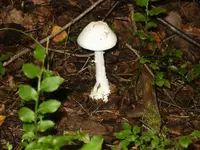
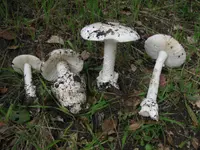
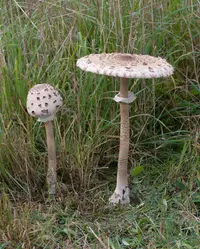
To recognize European destroying angel, look first for an all-white mushroom with a smooth cap, free white gills, and a slender white stem that rises from a sack-like volva at the base.

The stem usually carries a thin ring, and the cap is often broadly conical to convex, about 2-5 inches (5-12 cm) across.

Amanita virosa Identification

Is This European destroying angel?

Not sure about your plant ID? Upload a photo and check it with Botan.

Clear images work best. Avoid photos taken too close or too far away

Check the whole mushroom form of Amanita virosa before looking closer.

  • Cap is white, smooth, and usually convex to bell-shaped, often about 2-5 inches (5-12 cm) across.
  • Gills are white, crowded, and free from the stem, stopping just short of it.
  • Stem is white and slender with a hanging ring near the upper part.
  • Base is bulbous and sits in a loose, white cup called a volva.

Make sure the entire base is visible, since the cup at the stem base is a key check.

Amanita virosa shows clear mushroom-stage changes that can help confirm identification visually.

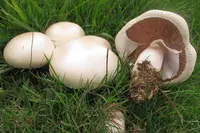
  • Young plant: The mushroom first appears as a white, egg-like button, enclosed by a universal veil. At this stage, the cap, stem, and gills are not fully exposed.
  • Mature plant: As it expands, the cap becomes convex to flatter, usually 2-5 inches (5-12 cm) wide. White gills show beneath, and the stem elongates with a skirtlike ring.
  • Fruiting stage: At full fruiting, the base remains enclosed in a saclike volva, while the cap margin may look smoother and more open than in the button stage.

Amanita virosa is most useful seasonally when its fruiting bodies appear, usually from summer into fall. Outside that period, the mushroom is absent rather than changing form. In season, look for fresh white caps, white gills, a skirtlike ring on the stem, and a saclike volva at the base. These visible features are the main seasonal identification clues.

Several white Amanita species can be mistaken for the European destroying angel.

destroying angel(Amanita bisporigera)

Similar because it is an all-white, ringed Amanita with a cup-like volva at the base. A reliable difference is spore print and range are not useful in the field; instead check the cap, which is often smoother and less silky-fibrillose than Amanita virosa.

death cap, white form(Amanita phalloides)

Confusing because pale to white specimens also have a ring and volva. The cap is usually more rounded and sticky when moist, not dry-silky, and mature gills often look slightly cream rather than pure white.

Amanita virosa is native to Europe and occurs across temperate and northern parts of the continent. Geography helps because this name is mainly used for the European species, not for similar all-white deadly Amanitas reported elsewhere. It grows on the ground in woodland, especially with birch and conifers, and is often found in acidic soils. Finding a white Amanita in European forest habitat makes this identification more plausible.

  • Severe poisoning risk: All parts of Amanita virosa are dangerously poisonous to humans and pets if eaten, including the cap, gills, stem, and spores. The risk is ingestion, not normal skin contact.
  • Deadly white look-alikes: Misidentification is a major hazard because this mushroom can resemble edible white species. A key warning sign is the cup-like volva, a sac at the stem base, together with a ring on the stem.

Confirm It from a Photo

Use Botan to identify or confirm a plant from a photo, helping you compare your find with more confidence.

FAQ

It is commonly confused with other white Amanitas, especially Amanita verna and Amanita phalloides in pale forms. For Amanita virosa identification, check the pure white cap, free white gills, skirtlike ring, and saclike volva at the base.

More Plant Identification Guides

One Photo. More About Your Plant.

Identify it with Botan from a photo, then review plant details, safety notes, and common problems matched to the species.

Botan app identifying a plant from a photo
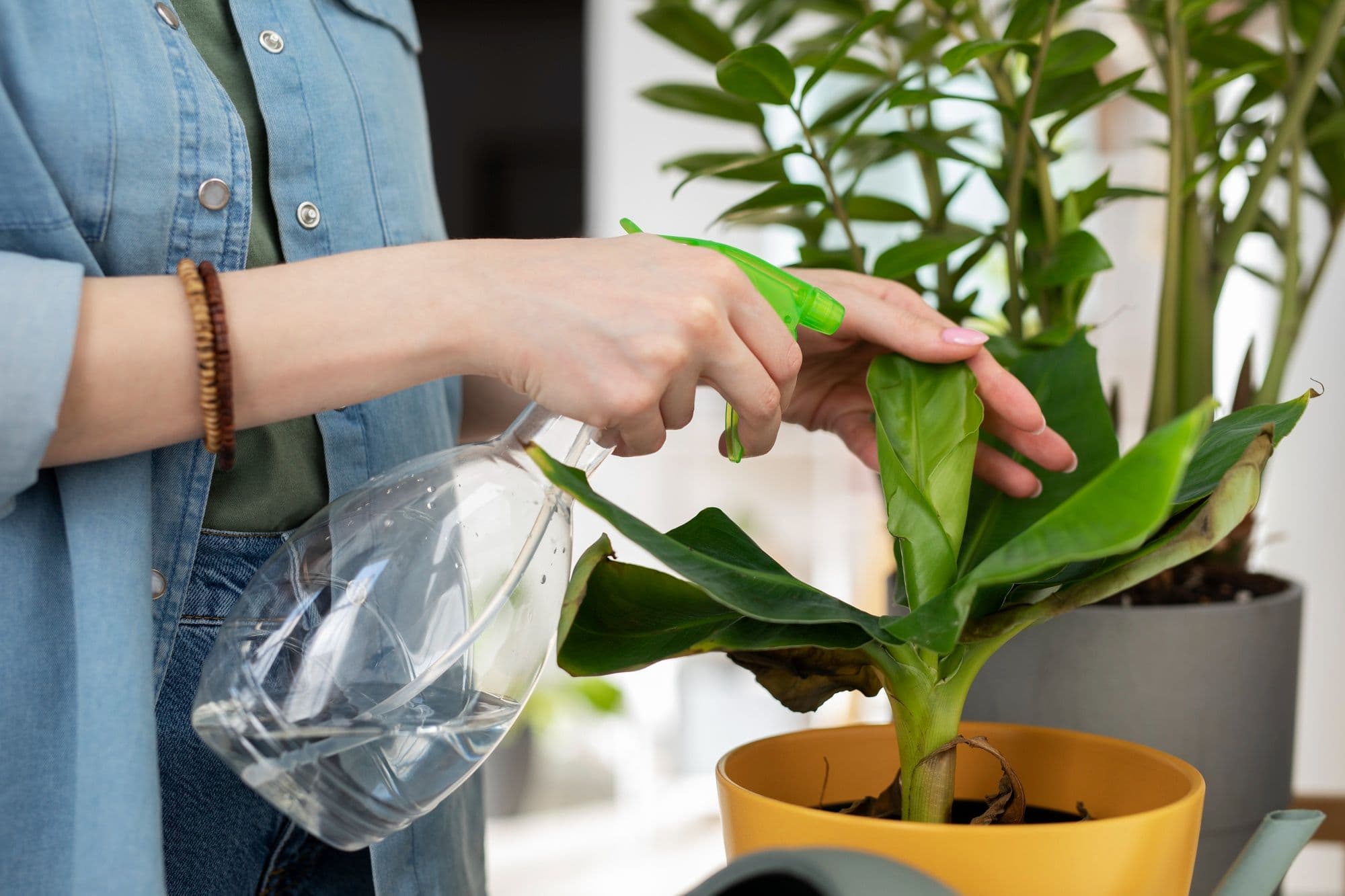
How to Mist Plants – Proper Technique and Common Mistakes

7 min read · 30 Jul 2026

How to Mist Plants – Proper Technique and Common Mistakes

Find out when misting works well and when to avoid it. Here, you’ll find detailed information about compatible and incompatible species, tips on how often to mist plants and do it correctly, and some great alternatives for raising humidity.

Beginner Guides
How to Mist Plants – Proper Technique and Common Mistakes
Best Time to Mow Lawn – A Complete Guide

5 min read · 10 Aug 2026

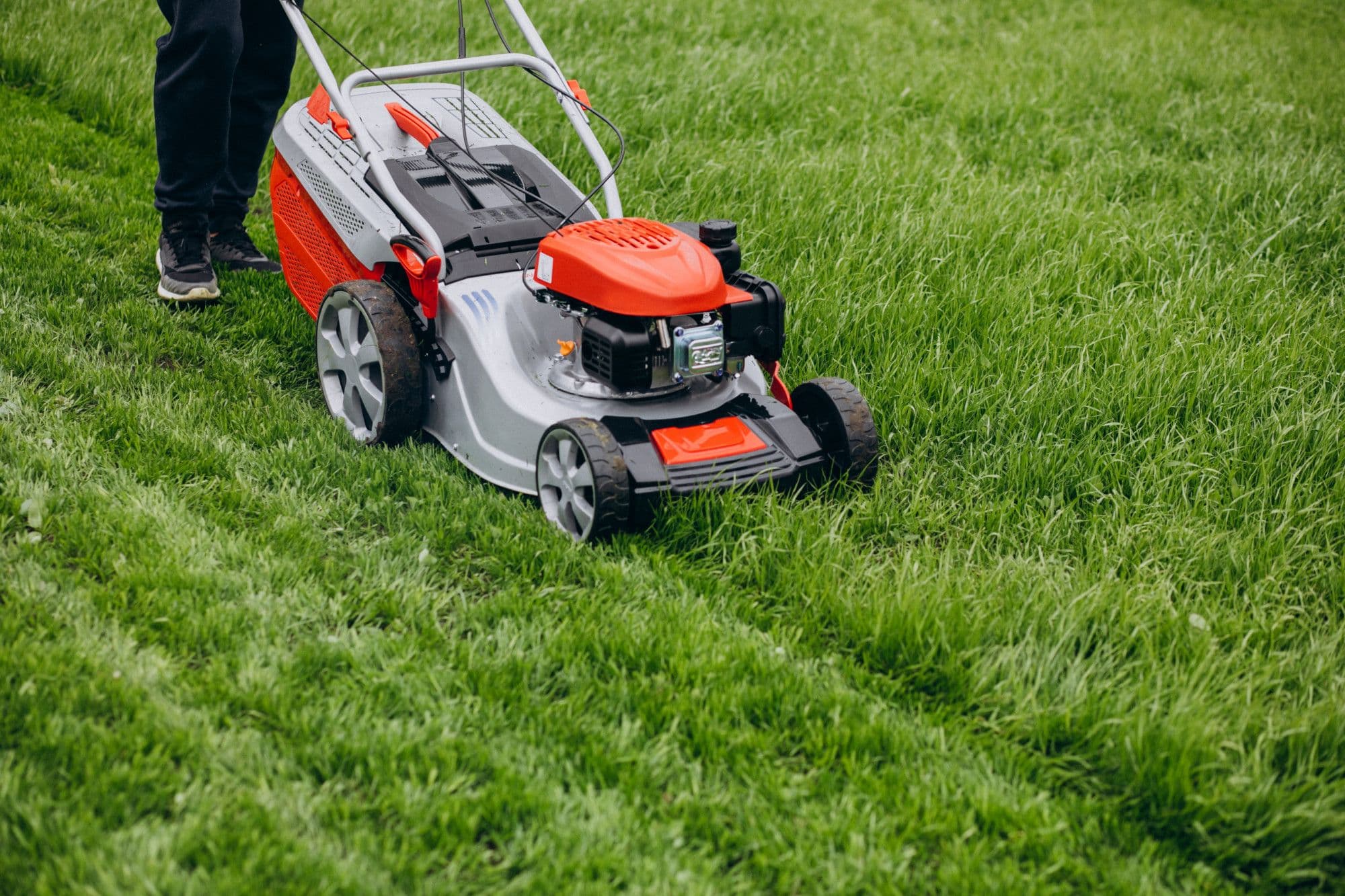
Best Time to Mow Lawn – A Complete Guide

Explore when to mow your lawn for its health and a pleasant green color. Find out the best time for this task during the summer heat, and follow practical tips for correctly cutting the grass, and learn common mistakes to avoid.

Plant Care
Best Time to Mow Lawn – A Complete Guide
How to Increase Humidity for Plants – 8 Simple Ways That Work

8 min read · 14 Aug 2026

How to Increase Humidity for Plants – 8 Simple Ways That Work

Dry indoor air stresses a lot of houseplants. You usually notice it first in the browning leaf tips. This guide describes 8 simple ways to raise the moisture around your plants, from humidifiers to pebble trays.

Plant Care
How to Increase Humidity for Plants – 8 Simple Ways That Work