
Root sucker management
Inspect the base of the shrub each spring and cut unwanted root suckers at or just below soil level to keep the plant in a single clump and direct energy into stronger main stems.

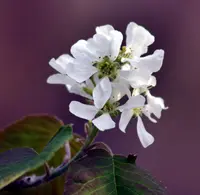
Dwarf serviceberry (Amelanchier × spicata) is a compact, multi-stemmed deciduous shrub or small tree grown for its spring flowers, edible berries, and strong fall color. It usually forms a dense, rounded clump with slender branches, making it suitable for smaller gardens and mixed shrub borders.
This hybrid species is native to North America and is often found on forest edges, rocky slopes, and open woodlands. It is generally considered easy to grow if planted in well-drained soil with consistent moisture and full sun to light shade.
Gardeners who want to care for Dwarf Serviceberry benefit from its cold hardiness, adaptability to different soils, and relatively low susceptibility to pests and diseases.

Care Difficulty
Easy Care

Light Preference
Full Sun

Water Requirements
Moderate Water

Temperature Preference
Cold Hardy

Hardiness Zone
3–7

Soil Texture
Sandy, Loamy, Clay

Soil pH
Acidic (5.5–6.5), Slightly acidic (6.5–7.0)

Soil Drainage
Moist but well-drained

Fertilization
Minimal (feed rarely)
Scan your plant to receive care tips personalized for your specific plant
Available on iOS and Android
This shrub prefers full sun in cool climates and light shade in hotter regions for balanced growth and fruiting.
This species prefers consistently moist, well-drained soil rather than alternating between very wet and very dry conditions.
This hardy shrub is adapted to temperate climates with cold winters and moderate summers.
Humidity is rarely a limiting factor for Amelanchier × spicata in typical outdoor conditions.
Amelanchier × spicata prefers moderately moist, well-drained mineral soils with stable structure.
This shrub can be grown in large containers for several years if the pot allows enough root volume and drainage.
This shrub generally needs modest feeding, especially when grown in lean or native soils.
Pruning supports a healthy, well-shaped Amelanchier × spicata with good flowering and fruiting.
This species is usually grown in the ground, so focus on correct planting and occasional transplanting rather than frequent repotting.
Amelanchier × spicata can be propagated, but it is slower than many shrubs and often left to nurseries.
This shrub is cold hardy in most temperate climates and usually needs minimal winter attention.

Plant Health Check
Not sure what's wrong with your plant? Check your plant's health inside the app.
This species is a naturally occurring hybrid between two North American serviceberries, and it has been widely selected in northern Europe for its compact, multi-stemmed shrub form rather than a tree form.
Its abundant white spring flowers open very early in the season, providing one of the first substantial nectar and pollen sources for bees and other pollinating insects in cool-temperate climates.
The dark purple to almost black pomes are technically edible for humans but are especially important for birds, which consume the fruit heavily and disperse the seeds across the landscape.
In several northern European cities and towns, this species has become a standard street and hedge shrub because it tolerates road salt, urban air pollution, and pruning better than many native ornamental shrubs, making it a reliable structural plant in harsh urban conditions.
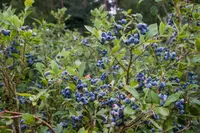
The ripe dark purple berries are edible and sweet, often compared to blueberries with almond notes. They can be eaten fresh or used in jams and baking. Avoid unripe fruit, which may be astringent and mildly upsetting to digestion.
Keep your plants happy and healthy with plant identification, disease detection, and easy care guidance.