Deep sand mulching
Add a 3–5 cm top layer of coarse sand or fine gravel around the crown to keep the root neck dry, reduce fungal risk, and mimic its native shifting dune habitat.

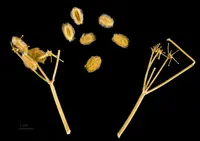
Ammodaucus leucotrichus is a small aromatic herb in the carrot family, adapted to dry, sandy habitats. It forms low, tufted clumps with finely divided, feathery foliage and a strong spicy scent.
This species is native to North African deserts and coastal dunes, where it grows in loose, shifting sand with very little organic matter. Its deep root system and drought tolerance make it relatively tough, but slow to establish in cultivation.
Gardeners who care for Ammodaucus should know it prefers full sun, sharply drained sandy soil, and careful watering to avoid root rot in wetter climates.

Care Difficulty
Moderate Care

Light Preference
Full Sun

Water Requirements
Low Water

Temperature Preference
Warm Climate

Hardiness Zone
9–11

Soil Texture
Sandy, Loamy, Rocky

Soil pH
Slightly acidic (6.5–7.0), Slightly alkaline (7.0–7.5)

Soil Drainage
Well-drained

Fertilization
Minimal (feed rarely)
Scan your plant to receive care tips personalized for your specific plant
Available on iOS and Android
This desert annual thrives in strong light and needs full sun for compact, aromatic growth.
This species prefers dry, fast-draining conditions and is sensitive to excess moisture around the roots.
This desert plant favors warm to hot conditions and has low tolerance to prolonged cold or frost.
This desert species tolerates very dry air and usually does not need humidity adjustment indoors.
This species requires very fast-draining, sandy soil that mimics arid, coastal or desert conditions.
This species can be grown in containers if the pot is configured to stay sharply drained and relatively dry.
This desert umbellifer needs only minimal feeding, as Ammodaucus leucotrichus is adapted to poor, sandy soils.
Pruning needs are low and focus on keeping Ammodaucus leucotrichus clean and accessible rather than reshaping it.
This deep-rooted desert species dislikes disturbance, so transplant Ammodaucus leucotrichus only when clearly necessary.
Propagation of Ammodaucus leucotrichus is mainly done from seed, which matches its natural life cycle in sandy habitats.
In mild, dry winter climates, Ammodaucus leucotrichus usually needs little special care once established outdoors.

Plant Health Check
Not sure what's wrong with your plant? Check your plant's health inside the app.
This species naturally grows on mobile sand dunes in the Sahara and Atlantic coastal deserts, anchoring loose sand with its deep, spreading root system and helping stabilize dune surfaces.
As a member of the Apiaceae, it produces aromatic essential oils in its fruits and leaves, including compounds similar to those found in carrot and cumin relatives, which influence its scent and flavor profile.
The plant shows strong xerophytic traits, such as hairy (leucotrichous) surfaces and a deep taproot, which reduce water loss and allow survival under high temperatures and long dry periods.

In some Saharan and Atlantic coastal regions, the fruits of this species are traditionally used as a spice and flavoring agent, giving dishes a carrot-like yet slightly resinous aroma that reflects its position within the carrot family Apiaceae.
This species is traditionally used as an aromatic and medicinal herb; seeds and sometimes roots are consumed in small culinary amounts. Always confirm correct identification, avoid polluted collection sites, and introduce it to the diet gradually to monitor tolerance.
Keep your plants happy and healthy with plant identification, disease detection, and easy care guidance.