Seedbed disturbance
Lightly rake or harrow the top 0.5–1 in of soil a few weeks before sowing to expose dormant seeds and reduce surface thatch, which improves establishment when growing prairie broomweed from seed.

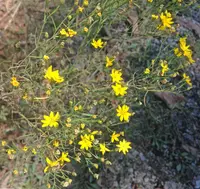
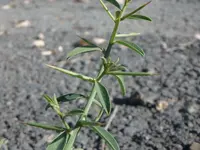
Prairie broomweed (Amphiachyris dracunculoides) is a small, short-lived wildflower native to prairies, roadsides, and open fields in central and southern North America. It often appears in disturbed or overgrazed sites. The plant forms many slender, woody stems with narrow leaves and tiny yellow flower clusters that give it a fine, broom-like texture. It usually grows in full sun and poor, well-drained soils, and it tolerates heat and drought once established. This resilience makes it relatively easy to manage in low-input landscapes. Gardeners who want to care for prairie broomweed should mainly focus on providing sun and avoiding constantly wet soil.

Care Difficulty
Easy Care

Light Preference
Full Sun

Water Requirements
Low Water

Temperature Preference
Warm Climate

Hardiness Zone
5–9

Soil Texture
Sandy, Loamy, Rocky

Soil pH
Slightly acidic (6.5–7.0), Neutral (7.0)

Soil Drainage
Well-drained

Fertilization
Minimal (feed rarely)
Scan your plant to receive care tips personalized for your specific plant
Available on iOS and Android
This sun-loving annual thrives in open, bright sites with long daily exposure.
This drought-tolerant native prefers infrequent, deep watering and fast-draining soil.
This hardy annual tolerates a wide temperature range typical of open prairies and roadsides.
Humidity is not a significant factor for Amphiachyris dracunculoides, which thrives in dry, open habitats.
This species prefers lean, well-drained soils that do not stay wet for long.
This species can be grown in containers but stays healthiest in large, freely draining outdoor pots.
Amphiachyris dracunculoides is a tough native annual that usually needs little or no fertilizer in average, well-drained soil.
Pruning Amphiachyris dracunculoides is mainly cosmetic, helping maintain form and prolong flowering in managed plantings.
This species is usually grown directly in the ground, so focus on thoughtful transplanting rather than frequent repotting.
Amphiachyris dracunculoides is most often propagated by seed, which suits its annual life cycle and natural reseeding habit.
As a warm-season annual, Amphiachyris dracunculoides normally dies back with hard frost and needs little specific winter care.

Plant Health Check
Not sure what's wrong with your plant? Check your plant's health inside the app.
This species is a warm-season annual native to the central and southern Great Plains, often appearing in recently disturbed or overgrazed sites where it quickly occupies open soil before longer-lived perennials reestablish.
The small yellow flower heads bloom in late summer to fall and provide nectar and pollen for native bees, flies, and small butterflies at a time when many other prairie plants have finished flowering.
It grows readily on dry, shallow, or compacted calcareous and sandy soils, including roadsides and rangeland, which makes it useful as a model for understanding plant adaptation to low-fertility, drought-prone habitats.
This species produces many small yellow flower heads rich in nectar and pollen, which strongly attract native bees, small wasps, and various butterflies. It functions as a useful support plant in low-input pollinator or prairie-style plantings.
Keep your plants happy and healthy with plant identification, disease detection, and easy care guidance.