Andryala ragusina Care

Andryala ragusina

About Andryala ragusina

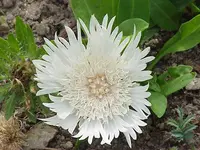
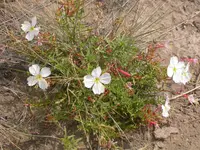
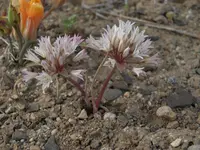
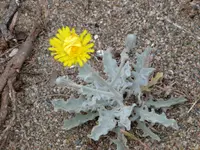
Andryala ragusina is a drought-tolerant perennial herb from the daisy family, native to rocky, coastal, and dry hillside habitats in the Mediterranean region. It forms low, silvery-gray rosettes with softly hairy leaves and sends up slender flowering stems with small yellow daisy-like blooms.

This species is adapted to poor, stony soils and intense sun, which makes it suitable for dry gardens and rockeries. Its slow, compact growth and low water needs can make it straightforward to manage once established, as long as drainage is excellent. Gardeners who want to care for Andryala ragusina should provide bright light, minimal summer water, and lean soil to mimic its natural environment.

Main Plant Requirements

Care Difficulty

Easy Care

Light Preference

Full Sun

Water Requirements

Low Water

Temperature Preference

Warm Climate

Hardiness Zone

8–11

Soil Texture

Sandy, Rocky, Loamy

Soil pH

Slightly acidic (6.5–7.0), Slightly alkaline (7.0–7.5)

Soil Drainage

Well-drained

Fertilization

Minimal (feed rarely)

Get Personalized Care Plan

Scan your plant to receive care tips personalized for your specific plant

Available on iOS and Android

How to Care for the Andryala ragusina

This Mediterranean perennial prefers strong light in open, exposed sites.

  • Provide full sun for 6–8 hours daily; it thrives in unobstructed southern or western exposures.
  • Tolerates light partial shade, especially with morning sun and light afternoon shade in very hot, dry climates to reduce leaf scorch.
  • In short-day or low-sun seasons, avoid competition from taller plants and dense shrubs so Andryala ragusina does not become leggy or sparse.

This species is drought-tolerant and prefers dry to slightly moist conditions.

  • Allow the top 5–7 cm of soil to dry before watering, using infrequent deep watering rather than light, frequent splashes.
  • Choose very well-drained, gritty or sandy soil; standing water or heavy clay strongly increases root rot risk.
  • In hot, dry summers, watch for wilting or dull, shriveled foliage as a sign to water; yellowing, soft growth indicates overwatering.

This plant is adapted to warm, dry climates with mild winters.

  • Optimal growth occurs around 65–80°F (18–27°C), especially in sunny, open sites with good air movement.
  • Mature plants usually tolerate down to about 25–28°F (-4 to -2°C); repeated hard freezes or waterlogged cold soils increase winter losses.
  • Handles dry heat up to 95°F (35°C) if soil drains freely; in prolonged heat waves, avoid extra humidity and overhead watering late in the day.

This drought-adapted species tolerates low humidity and usually does not need special air-moisture management indoors or outdoors.

This Mediterranean species prefers mineral, very free-draining soil to prevent root problems.

  • Use sandy or gritty soil with low to moderate organic matter, mimicking a rocky, dry habitat.
  • Aim for a sharply draining mix such as 60–70% coarse sand or grit with 30–40% loam-based compost.
  • Keep pH slightly alkaline to neutral (about 7.0–8.0); avoid strongly acidic mixes rich in peat.
  • Improve aeration by avoiding fine, compacting materials and by incorporating coarse particles throughout the profile.

This species can be grown in containers if the potting setup prevents waterlogging and root congestion.

  • Choose a wide, shallow container to match its relatively fibrous root system and spreading habit without promoting deep, soggy soil layers.
  • Use a rigid, heavier pot material like ceramic or clay to stabilize the plant against wind when placed outdoors.
  • Elevate the container slightly on feet or blocks so drainage holes stay clear and runoff water does not pool under the base.

This drought-tolerant Mediterranean species needs only light nutrition in ordinary garden soil.

  • For container-grown Andryala ragusina, use a balanced liquid fertilizer (e.g., 10-10-10) at 1/2 strength.
  • Feed once every 4–6 weeks during active growth in spring and early summer only.
  • Avoid rich compost or heavy slow-release products that encourage weak, lush growth.
  • Stop feeding in late summer; do not fertilize during winter dormancy.

Pruning is mainly used to keep this plant compact and to remove declining growth.

  • Best time for pruning Andryala ragusina is late winter to early spring, before strong new growth.
  • Use clean, sharp scissors or hand pruners to remove dead, damaged, or disease-affected stems.
  • Lightly shear or pinch back long, straggly shoots to maintain a low, bushy shape.
  • After flowering, trim spent flower stalks to tidy the plant and encourage fresh basal growth.

This species is usually grown in the ground, where it dislikes frequent disturbance.

  • Transplant young plants in spring once soil is workable and frost risk is low.
  • Choose a sunny, sharply drained site; sandy or gravelly soil suits Andryala ragusina best.
  • Move only when necessary; look for stunted growth or poor establishment rather than strict timing.
  • Water in gently after transplanting, then keep soil just slightly moist until new growth appears, reducing stress on roots.

Propagation is most reliable from seed, which suits the plant’s natural life cycle.

  • Sow fresh seeds in late winter to early spring in a gritty, free-draining seed mix.
  • Press seeds lightly into the surface; they need light to germinate, so do not cover deeply.
  • Maintain 60–70°F and moderate moisture until seedlings appear, then provide strong light.
  • Outdoors, seeds of Andryala ragusina can be surface-sown in a sunny, well-drained bed and thinned as they grow.

This plant is adapted to mild, dry winters and may need help in colder or wetter climates.

  • In regions colder than about 15–20°F, treat as tender and grow in containers for winter shelter.
  • Before hard frost, move pots to a cold, bright, frost-free space with minimal watering.
  • In the ground, provide a light gravel mulch around the crown to improve drainage and reduce freeze-thaw stress.

Care Tips

Encourage Compact Growth

Lightly pinch back the tips of young stems once or twice early in the season to keep the plant dense, reduce flopping, and encourage more flowering shoots when growing Andryala ragusina.

Improve Drainage Mound

In heavier garden soils, plant on a slight gravelly mound 5–10 cm high so excess water drains away from the crown and roots, reducing rot risk over wet winters.

Gravel Mulch Collar

Apply a 2–3 cm deep collar of coarse grit or small gravel around the base instead of organic mulch to keep the crown dry, prevent soil splash, and protect the felted leaves from staining.

Winter Wet Protection

In regions with cold, wet winters, place a simple clear rain shield or a sloped cloche over the plant from late fall to early spring to limit saturation while still allowing good air flow.

Seed Self-Sowing Control

If you want to limit self-seeding, deadhead the spent flower clusters before the seed heads fluff out, but leave a few to mature if you want a controlled patch to slowly expand over time.

Common Pests and Diseases

Powdery mildew

This disease causes a white to gray, powdery coating on leaves and young stems, often appearing in warm, dry conditions with poor air movement. Symptoms include distorted growth and a dull, dusty look on the foliage of this silvery, hairy species.

Solution

Remove and discard heavily infected leaves, then improve spacing and airflow around plants by thinning or pruning nearby vegetation. Avoid overhead watering, water at the base in the morning, and if needed apply a sulfur or potassium bicarbonate fungicide labeled for ornamental outdoor plants, following label directions carefully.

Rust

This disease produces small yellow spots on upper leaf surfaces and orange to brown pustules on the undersides, especially in humid conditions. Symptoms include premature leaf yellowing and drop on stressed or overcrowded plants.

Solution

Promptly remove and dispose of affected leaves to reduce spore spread, and avoid wetting foliage during irrigation. Improve sun exposure and air circulation, and in recurring cases use a copper-based or other rust-specific fungicide according to label instructions.

Leaf spot

This disease causes tan to dark brown irregular spots on leaves, sometimes with a purple or darker border that contrasts with the silvery leaf surface. Symptoms include gradual coalescing of spots, leading to partial leaf death and reduced vigor in dense plantings.

Solution

Cut off and discard affected leaves, clean up fallen debris, and avoid overhead watering to keep foliage dry. For persistent outbreaks, apply a broad-spectrum ornamental fungicide and rotate products if used repeatedly to reduce resistance risk.

Aphids

These insects cluster on soft shoots, buds, and leaf undersides, sucking sap and causing curling or distortion of new growth. This pest excretes sticky honeydew that can attract sooty mold on nearby surfaces.

Solution

Spray plants with a firm stream of water to dislodge colonies, repeating every few days as needed, and encourage natural predators such as lady beetles by avoiding broad-spectrum insecticides. For heavy infestations, use insecticidal soap or a light horticultural oil, coating leaf undersides thoroughly.

Spider mites

These pests thrive in hot, dry conditions, causing fine stippling, a dull gray look to the foliage, and fine webbing between leaves and stems. Symptoms include gradual leaf discoloration and reduced vigor, especially when plants grow in very exposed, dry sites while trying to grow Andryala ragusina in cultivation.

Solution

Rinse foliage thoroughly with water, focusing on leaf undersides, and repeat several times per week to suppress populations. If infestation persists, apply a horticultural oil or miticide labeled for ornamental plants and increase ambient humidity slightly around container plants without overwatering the soil.

Interesting Facts

Woolly leaf coating

The leaves are densely covered with long, soft, whitish hairs that create a felt-like surface, helping reduce water loss and reflect intense sunlight in its native Mediterranean habitats.

Pioneer on harsh sites

This species often colonizes dry, rocky, or disturbed ground, where its deep root system and drought-adapted foliage allow it to establish in places many other herbs cannot.

Short-lived perennial habit

Although sometimes treated as an annual or biennial in cultivation, it is naturally a short-lived perennial that can persist for several years under favorable dry, sunny conditions.

FAQs about Andryala ragusina

This species is a short-lived perennial in mild climates but may behave as a biennial in harsher conditions. Plants often persist 2–3 years, reseeding lightly so new rosettes replace older, declining clumps over time.

Grow Healthy Plants with Botan Care

Keep your plants happy and healthy with plant identification, disease detection, and easy care guidance.

Botan plant care app — identify plants on mobile

Explore More Plants