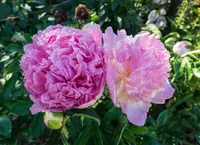
Lungwort Care (Pulmonaria 'Raspberry Splash')

Also known as: Bethlehem Sage, Jerusalem Sage

About Lungwort

Lungwort, Pulmonaria 'Raspberry Splash', is a hardy perennial grown mainly for its speckled foliage and early spring flowers. It forms low, spreading clumps that work well as groundcover in shaded beds and woodland-style gardens.

Leaves are green with silvery spots, while flowers open in shades of pink that often deepen to raspberry tones. This cultivar comes from European woodland species and is adapted to cool, moist, partially shaded conditions.

It suits gardeners looking to care for Lungwort with relatively low effort, as long as soil stays evenly moist and rich in organic matter. Plants generally remain compact, long-lived, and reliable in temperate climates.

Main Plant Requirements

Care Difficulty

Moderate Care

Light Preference

Partial Shade

Water Requirements

Keep Soil Moist

Temperature Preference

Cold Hardy

Hardiness Zone

3–8

Soil Texture

Loamy, Silty, Organic-rich

Soil pH

Acidic (5.5–6.5), Slightly acidic (6.5–7.0)

Soil Drainage

Moist but well-drained

Fertilization

Minimal (feed rarely)

Get Personalized Care Plan

Scan your plant to receive care tips personalized for your specific plant

Available on iOS and Android

How to Care for the Lungwort

Pulmonaria 'Raspberry Splash' thrives in cool, bright conditions with protection from strong midday sun.

  • Provide 2–4 hours of gentle morning sun with dappled or open shade the rest of the day, especially in warmer regions.
  • Site plants where they receive filtered light under deciduous shrubs or trees; Lungwort benefits from more shade in summer once tree canopies leaf out.
  • Watch foliage for stress: pale, scorched, or crispy leaves indicate too much sun, while stretched, floppy growth suggests insufficient light.

This plant prefers consistently moist but not waterlogged soil, especially during active spring growth.

  • Water when the top 3–5 cm of soil feels dry, allowing moisture to penetrate 10–15 cm deep, then let excess drain away fully.
  • During hot, dry spells, check soil every 1–2 days; in cool spring and fall, intervals can stretch longer as evaporation slows.
  • Yellowing, mushy leaves with a sour smell point to overwatering or poor drainage; limp, curling, or dull leaves signal the need for deeper watering.

This perennial is hardy in cool to cold climates but slows growth in high heat.

  • Best growth occurs in 55–70°F (13–21°C); foliage stays fresher when afternoon temperatures remain on the cooler end of this range.
  • Established plants tolerate winter down to about -20°F (-29°C) under mulch, but early spring growth can be damaged by late hard frosts.
  • In summer, protect from hot, reflective sites; extended periods above 85°F (29°C) benefit from extra shade and mulch to keep roots cool.

Pulmonaria 'Raspberry Splash' prefers moderately moist air but usually adapts to typical home and garden humidity.

  • Aim for 40–60% humidity to support steady foliage growth and reduce leaf edge browning.
  • It tolerates short dry spells, but prolonged very dry air can cause limp, spotted leaves to crisp at the edges.
  • Increase humidity outdoors by mulching around the clump and indoors by grouping plants or placing the pot on a pebble tray near Lungwort.

Pulmonaria 'Raspberry Splash' grows best in humus-rich, moisture-retentive but airy soil.

  • Use a loose loam with high organic matter, such as garden loam blended with compost or leaf mold for structure and nutrient retention.
  • Ensure drainage is moderate to fast by adding fine bark or perlite so water does not sit around the crown.
  • Keep pH slightly acidic to neutral, around 6.0–7.0, avoiding strongly alkaline ground that can reduce nutrient availability.
  • Avoid heavy, unamended clay or soil that dries to a hard crust; if needed, lighten it with compost and coarse grit to improve aeration and root health.

This species is suitable for containers in shaded or dappled sites.

  • Choose a wide, shallow to medium-depth pot to accommodate its spreading root system without creating a deep water-holding column of mix.
  • Select a heavier material like ceramic or clay if wind exposure is high, as the foliage can act like a sail in gusty spots.
  • Use a moisture-retentive yet airy mix and raise the pot slightly on feet so drainage holes clear freely after rain or watering.

Pulmonaria 'Raspberry Splash' is a light feeder that benefits from modest nutrition in spring.

  • Apply a thin layer of compost or well-rotted leaf mold around plants in early spring to enrich the soil.
  • Use a balanced slow-release fertilizer (around 10-10-10) once in spring at half label rate for caring for Lungwort.
  • Avoid further feeding after midsummer to prevent soft growth prone to disease.
  • Do not fertilize during winter dormancy; keep soil just moist, not saturated.

Pulmonaria 'Raspberry Splash' responds well to light, timely pruning to keep clumps dense and clean.

  • In late spring, shear off spent flower stems at the base using clean hand pruners or scissors.
  • Remove damaged, yellowing, or diseased leaves whenever noticed to improve airflow and appearance.
  • After flowering, lightly trim tired foliage to encourage a flush of fresh leaves.
  • Avoid cutting into the woody crown; focus on old stems and outer, ragged growth.

This plant is most often grown in the ground, with transplanting done only when clumps outgrow their space.

  • Plan to lift and transplant every 3–5 years if growth becomes crowded, bare in the center, or flowers decline.
  • Move Pulmonaria 'Raspberry Splash' in early spring or early fall when temperatures are cool and soil is moist.
  • Dig wide around the clump to keep roots intact, then replant at the same depth in shaded, humus-rich soil.
  • Water thoroughly after transplanting and keep evenly moist for several weeks to reduce root stress.

Pulmonaria 'Raspberry Splash' is most reliably propagated by division of established clumps.

  • Divide mature plants in early spring or early fall when soil is cool and workable.
  • Lift the clump, then gently tease or cut it into sections, each with healthy buds and roots.
  • Replant divisions immediately at original depth in moist, shaded, well-drained soil.
  • Water well after planting and maintain steady moisture until new growth establishes.

This perennial is cold hardy in most temperate climates and usually needs minimal winter care.

  • Tolerates typical frosts; foliage may die back, but crowns survive in the ground.
  • Apply a 5–7 cm layer of organic mulch after the first hard frost to insulate roots.
  • In colder regions, move container plants into a sheltered, unheated spot to avoid root freeze–thaw cycles.

Care Tips

Divide Mature Clumps

Lift and divide congested plants every 3–4 years in early spring or early fall, replanting vigorous outer sections at the same depth to maintain strong flowering and prevent center die-out.

Use Living Mulch

Plant alongside shallow-rooted groundcovers that enjoy similar shade and moisture to act as a living mulch, helping keep the root zone cool and evenly moist while suppressing weeds without deep cultivation.

Protect Decorative Foliage

Place plants where they are shielded from afternoon hail, strong wind, or heavy foot traffic, since the leaves mark and tear easily and damaged foliage will not recover its decorative spotting.

Manage Powdery Mildew

If powdery mildew appears, promptly remove and bin the worst-affected leaves, improve air movement by thinning overcrowded shoots, and avoid overhead watering late in the day to reduce disease pressure when growing Lungwort.

Mark Dormant Locations

Mark clump positions with discreet labels or stones before plants die back or go summer-dormant, so later digging or replanting in the bed does not disturb the shallow crowns and roots.

Common Pests and Diseases

Powdery mildew

This disease shows as white to gray powdery patches on leaves, often appearing in spring on crowded or shaded clumps.

Solution

Improve air circulation by thinning or dividing crowded plants, avoid overhead watering, and remove and discard heavily infected leaves; if conditions stay humid, apply a sulfur or potassium bicarbonate fungicide labeled for ornamentals according to label directions as part of Pulmonaria 'Raspberry Splash' care.

Slugs and snails

These pests chew irregular holes in leaves, often leaving shredded foliage and shiny slime trails, especially in cool, damp shade where pulmonaria is grown.

Solution

Hand-pick at dusk, use iron phosphate slug bait around but not on the crowns, and reduce hiding spots by removing thick mulch or debris; copper barriers or beer traps can also help protect vulnerable new growth in spring.

Crown rot

This disease causes the plant crown to become brown, mushy, and sunken, with foliage yellowing and collapsing, usually in poorly drained or waterlogged soil.

Solution

Improve drainage, reduce watering, and avoid heavy mulching against the crown; remove and destroy severely affected plants and replant healthy divisions only in well-drained, organically enriched soil raised slightly above surrounding grade.

Leaf spot

Symptoms include small brown to dark purple spots on leaves that may merge into larger blotches, making the foliage unsightly though often not fatal.

Solution

Remove and discard spotted leaves to reduce fungal spores, water at soil level to keep foliage dry, and, if spotting recurs each year, apply a copper or chlorothalonil fungicide early in the season following label instructions.

Interesting Facts

Two-toned spring flowers

The flowers open a bright raspberry-pink and then age to a bluish-purple, so each clump often displays two or more flower colors at once in early spring.

Silver-splashed foliage

Its leaves have large, irregular silver spotting that was selected by breeders for extra contrast, making this cultivar more striking than most other Pulmonaria varieties even when not in bloom.

Slug and deer resistance

The slightly rough, hairy leaves are generally unpalatable to slugs and deer, so this plant often stays intact in gardens where many other shade perennials are damaged.

Botan icon

Did you know?

This cultivar was introduced by Terra Nova Nurseries as part of a breeding program focused on combining mildew resistance with bold silver leaf patterning, so it is usually more disease-resistant and visually showy than older Pulmonaria selections.

FAQs about Lungwort

This species forms slow to moderate clumps and short rhizomes, creating small colonies over time. It is not considered aggressive. Growth is usually easy to control by lifting and dividing edges every few years.

Grow Healthy Plants with Botan Care

Keep your plants happy and healthy with plant identification, disease detection, and easy care guidance.

Botan plant care app — identify plants on mobile

Explore More Plants