Use branch supports
Guide the long, scrambling stems over small trellises, hoops, or through mesh panels so the plant can form a stable, layered mat instead of tangling and breaking under its own weight.

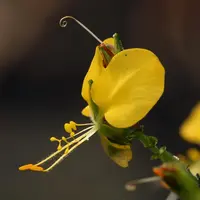
Clinging aneilema (Aneilema aequinoctiale) is a soft-stemmed, trailing herb from tropical Africa, often found in moist forests, along streams, and in shaded clearings. It belongs to the dayflower family and typically forms loose mats or climbing stems that root at the nodes.
The plant has narrow, green leaves and small, delicate flowers that add subtle interest rather than bold color. Its ability to spread and cling makes it useful as a groundcover or for hanging containers in humid, sheltered spaces.
Aneilema aequinoctiale grows best in consistently moist, well-drained soil and bright shade, which keeps it relatively easy to manage once conditions are stable. Understanding how to care for Clinging Aneilema mainly involves providing shade, moisture, and protection from drying winds.

Care Difficulty
Moderate Care

Light Preference
Partial Shade

Water Requirements
Keep Soil Moist

Temperature Preference
Tropical / Frost Sensitive

Hardiness Zone
10–12

Soil Texture
Loamy, Silty, Organic-rich

Soil pH
Acidic (5.5–6.5), Slightly acidic (6.5–7.0)

Soil Drainage
Moist but well-drained

Fertilization
Light (every 4–6 weeks)
Scan your plant to receive care tips personalized for your specific plant
Available on iOS and Android
This species prefers bright, indirect light that mimics its forest-edge habitat.
Aneilema aequinoctiale prefers evenly moist but not waterlogged soil.
This plant grows best in warm, frost-free conditions typical of tropical and subtropical climates.
This species benefits from moderately humid air but adapts if basic needs are met.
This plant prefers loose, airy, organic-rich soil that drains freely yet holds some moisture.
This species is well suited to container growing when the pot supports its trailing and clinging habit.
This species responds well to modest feeding, especially in containers, though Clinging Aneilema grown in the ground often manages on fertile soil alone.
Pruning Aneilema aequinoctiale is mainly about tidying growth and keeping stems dense and manageable.
Repotting or transplanting is useful when plants become root-bound or growth slows despite good care.
This plant is commonly propagated to expand groundcover or share divisions.
Winter care depends strongly on climate, as this species is frost-tender in most regions.

Plant Health Check
Not sure what's wrong with your plant? Check your plant's health inside the app.
This species uses fine, sticky hairs and clasping stems to cling onto nearby vegetation, allowing it to scramble through forest undergrowth rather than investing in thick, self-supporting stems.
Aneilema aequinoctiale naturally grows on the shaded floors and edges of moist African forests, where it tolerates low light levels and benefits from consistently warm, humid air.
The plant bears small bluish to lilac flowers typical of the Commelinaceae family, which are visited by insects such as bees that are attracted to the flower color and available pollen.
This species spreads quite rapidly by creeping stems that root at the nodes. In mild, moist climates it can form dense mats and edge toward weediness, so use edging, containers, or regular trimming to keep it contained.
Keep your plants happy and healthy with plant identification, disease detection, and easy care guidance.