Staggered Mass Planting
Plant groups of 5–9 in loose drifts with 20–30 cm spacing to create a self-supporting colony that shades its own roots and suppresses weeds as it matures.

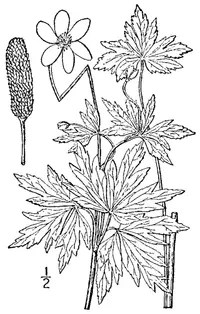
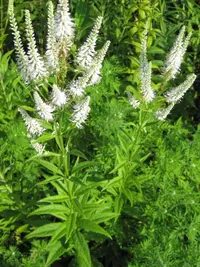
Candle anemone (Anemone cylindrica) is a hardy, clump-forming perennial wildflower from North America. It belongs to the buttercup family and grows from fibrous root systems. Slender stems carry narrow leaves and upright, cylindrical flower heads with small white or greenish-white blossoms that mature into fuzzy seed clusters. This gives the plant a distinctive candle-like appearance in summer and early fall. It naturally occurs in prairies, open woods, and dry, rocky slopes, where it tolerates wind, poor soils, and seasonal drought. The species suits low-maintenance gardens, meadow plantings, and naturalized borders, provided the soil drains well. Basic knowledge of how to care for candle anemone helps it establish and flower reliably.

Care Difficulty
Easy Care

Light Preference
Full Sun

Water Requirements
Moderate Water

Temperature Preference
Cold Hardy

Hardiness Zone
3–8

Soil Texture
Sandy, Loamy, Rocky

Soil pH
Acidic (5.5–6.5), Slightly acidic (6.5–7.0)

Soil Drainage
Well-drained

Fertilization
Minimal (feed rarely)
Scan your plant to receive care tips personalized for your specific plant
Available on iOS and Android
This prairie perennial prefers full sun but tolerates light shade, especially in hotter regions.
This species prefers evenly moist, well-drained soil and is moderately drought tolerant once established.
This hardy perennial is adapted to temperate climates with cold winters and warm summers.
This species is adapted to outdoor conditions and does not have specific humidity requirements in typical temperate climates.
This species prefers freely draining mineral-rich soil that never stays waterlogged.
This species can be grown in containers, but it performs more naturally in open ground.
This hardy prairie perennial typically needs minimal feeding in average garden soil.
Pruning Anemone cylindrica is simple and mainly focused on tidiness and plant health.
This species is usually grown in beds or naturalized areas, so care focuses on transplanting rather than frequent repotting.
This rhizomatous perennial is most often propagated by division, with seed used when increasing large numbers of plants.
This North American native is cold hardy and usually needs little special winter care in the ground.

Plant Health Check
Not sure what's wrong with your plant? Check your plant's health inside the app.
After flowering, this species develops narrow, cylindrical seed heads that resemble small candles, each covered in many styles that give a bristly texture and aid wind dispersal.
Anemone cylindrica is native to dry prairies, open woodlands, and savannas of central and eastern North America, where it is adapted to full sun and thin, often rocky soils.
This species typically flowers from early to mid-summer, providing nectar and pollen resources between the peak spring ephemerals and many later-season prairie wildflowers.
This species spreads gradually by short rhizomes and self-seeding. It forms clumps rather than running widely. In average garden conditions it is not usually aggressive, but seedlings can be thinned if they appear in unwanted spots.
Keep your plants happy and healthy with plant identification, disease detection, and easy care guidance.