Antirrhinum sempervirens Care

Antirrhinum sempervirens

About Antirrhinum sempervirens

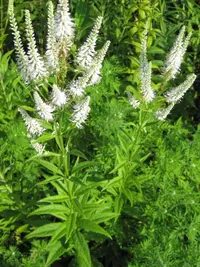
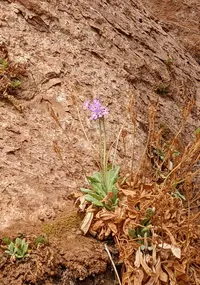
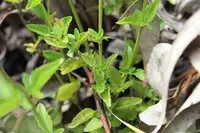
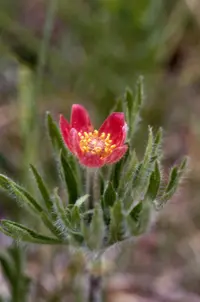
Antirrhinum sempervirens is a compact, evergreen perennial in the snapdragon family, forming low, dense mats of narrow leaves and upright flowering stems. It typically bears pale pink to white snapdragon-like blooms that attract bees and other pollinators over a long season.

This species is native to rocky slopes and cliffs in southwestern Europe, especially the Pyrenees, where it naturally grows in crevices and well-drained, stony soils. Its drought tolerance and preference for full sun make it suitable for rock gardens, walls, and containers.

Once established, it is relatively low maintenance, provided excess moisture and heavy, poorly drained soils are avoided. Understanding how to care for Antirrhinum sempervirens mainly involves matching its need for sun, drainage, and moderate watering.

Main Plant Requirements

Care Difficulty

Moderate Care

Light Preference

Full Sun

Water Requirements

Moderate Water

Temperature Preference

Cool Climate

Hardiness Zone

6–9

Soil Texture

Sandy, Loamy, Rocky

Soil pH

Slightly acidic (6.5–7.0), Neutral (7.0)

Soil Drainage

Well-drained

Fertilization

Minimal (feed rarely)

Get Personalized Care Plan

Scan your plant to receive care tips personalized for your specific plant

Available on iOS and Android

How to Care for the Antirrhinum sempervirens

This sun-loving alpine snapdragon thrives in bright conditions typical of open, rocky sites.

  • Provide 6–8 hours of direct sun daily; in hot inland summers, prioritize strong morning sun with light afternoon shade to prevent scorching.
  • It tolerates light partial shade (3–4 hours sun), but flowering and compact growth decline as shade increases.
  • In winter, full sun helps keep Antirrhinum sempervirens tight and floriferous; avoid sites shaded by buildings or evergreen shrubs during low-light months.

This species prefers slightly dry, free-draining conditions rather than consistently moist soil.

  • Water when the top 3–5 cm of soil feels dry, using a deep soak that reaches the root zone, then allow excess to drain completely.
  • Reduce watering in cool seasons, especially if rainfall supplies moisture; in hot, windy weather, monitor more often instead of following a fixed schedule.
  • Yellowing lower leaves, soft stems, or a sour smell suggest overwatering, while limp foliage and crisp leaf edges in dry soil indicate underwatering in Antirrhinum sempervirens.

This hardy perennial is adapted to mild, temperate climates with cool to warm conditions.

  • Optimal growth occurs around 55–75°F (13–24°C), with best flowering in the cooler end of this range.
  • Established plants usually tolerate brief drops to about 15–20°F (-9 to -6°C), but young plants benefit from protection during hard frosts.
  • In hot periods above 85°F (29°C), flowering may slow; provide mulch to keep roots cooler and avoid reflective spots that intensify heat.

This species is adapted to relatively dry outdoor air and usually does not need humidity adjustment.

  • Aim for 30–50% humidity, typical of most homes and outdoor conditions in temperate regions.
  • Plants tolerate short dry spells but may show browning leaf tips and slower growth if air stays very dry and hot.
  • If humidity drops below 30%, group pots together and place them near a tray of water and pebbles, without standing the pot in water.

This plant prefers lean, well-drained, slightly alkaline rocky or sandy soil.

  • Use a gritty mix such as 50% sandy or loam-based garden soil, 30–40% coarse sand or fine grit, and 10–20% compost for structure and nutrients.
  • Ensure rapid drainage; water should pass through in seconds and not leave the surface muddy or compacted.
  • Aim for soil pH around 7.0–8.0; add a small amount of garden lime if your native soil is distinctly acidic.
  • Avoid heavy clay, waterlogged sites, or mixes rich in peat alone, which restrict aeration and promote root rot in Antirrhinum sempervirens.

This species can be grown successfully in containers, especially in sunny, well-drained positions.

  • Choose a wide, shallow pot to match its spreading, mat-forming habit and prevent the root zone from staying wet at depth.
  • Select a heavier material like terracotta or stone to anchor the container against wind, as flowering stems can catch breezes.
  • Elevate the pot on feet or bricks so drainage holes stay clear and runoff moves away quickly from the crown area.

Light, balanced feeding supports compact growth and flowering without pushing Antirrhinum sempervirens into weak, lush foliage.

  • Use a balanced, water‑soluble fertilizer (around 10‑10‑10 or 15‑15‑15) at 1/2 strength on moist soil.
  • Feed every 4–6 weeks during active growth in spring and summer if soil is low in organic matter.
  • In richer beds, top‑dress once in spring with a thin layer of compost instead of frequent liquid feed.
  • Stop feeding in fall and winter to avoid soft growth that is more prone to cold damage.

Thoughtful pruning keeps plants tidy and encourages a longer flowering period in Antirrhinum sempervirens.

  • In late winter or early spring, remove dead, damaged, or diseased stems with clean, sharp scissors or hand pruners.
  • Deadhead spent flower spikes by cutting just above a healthy leaf node to promote repeat blooming.
  • Thin crowded stems to improve air flow and reduce fungal problems, keeping a naturally mounded outline.
  • After the main flush of bloom, lightly shear back by 1/3 to refresh foliage and stimulate new shoots.

This species is usually grown in beds or rock gardens, so transplanting is more relevant than repotting for Antirrhinum sempervirens.

  • Transplant in early spring or early fall when temperatures are mild and soil is workable.
  • Move plants if growth is stunted, soil drains poorly, or clumps are shaded out by larger neighbors.
  • Lift with a trowel, keeping a firm soil ball around the roots, and replant at the same depth in well‑drained soil.
  • Water thoroughly after transplanting, then keep soil slightly moist for 1–2 weeks to limit transplant shock.

New plants are most often raised from seed, though short cuttings can also be used for Antirrhinum sempervirens.

  • Sow fresh seed in late winter to early spring on the surface of a free‑draining seed mix; do not cover heavily as light supports germination.
  • Maintain 60–70°F, bright indirect light, and even moisture until seedlings emerge in 10–21 days.
  • Prick out seedlings when they have 2–3 true leaves, handling by the leaves to avoid root damage.
  • For cuttings, take 5–7 cm non‑flowering tips in late spring, use rooting hormone, and place in a moist, airy mix.

This plant is relatively cold hardy in mild climates, so winter care is simple for Antirrhinum sempervirens.

  • In regions with frost, apply a light mulch around the root zone in late fall, keeping it just clear of stems.
  • Leave some spent flowering stems over winter in colder areas to catch snow and insulate the crown.
  • Container plants in colder zones can be moved to a sheltered, unheated porch or cold frame to reduce freeze‑thaw stress.

Care Tips

Pinch for Bushiness

Pinch out the soft tips of young stems when they reach 8–10 cm to encourage dense, low mounding growth and more flowering shoots rather than a few tall, sparse stems.

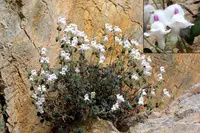
Rocky Edge Planting

Plant into crevices between stones, pavers, or in gravelly edges where roots can stay cool and well drained, which helps this species form tight mats that resist winter wet and root rot.

Targeted Deadheading

Shear off spent flower spikes just above the foliage mat as soon as most florets fade to promote repeat blooming and prevent excessive self-seeding into nearby beds.

Winter Wet Management

In regions with cold, wet winters, tilt planting sites slightly or mound the planting area 3–5 cm so excess water sheds away from the crown, reducing crown rot risk when caring for Antirrhinum sempervirens.

Stem Renewal Division

Every 2–3 years, lift and gently divide congested mats in early spring, replanting only the youngest, firmest outer sections to keep the planting vigorous and flowering well.

Common Pests and Diseases

Rust

This disease causes orange to brown pustules on leaves and stems, often leading to yellowing and premature leaf drop. Symptoms include weakened plants and reduced flowering.

Solution

Remove and destroy affected leaves as soon as pustules appear and avoid overhead watering to keep foliage dry. Improve spacing and airflow, and if needed apply a fungicide labeled for rust on ornamentals, rotating products to reduce resistance.

Powdery mildew

This disease appears as a white to gray powdery coating on leaves, stems, and flower spikes, especially in crowded or shaded plantings. Symptoms include distorted growth and reduced vigor.

Solution

Increase air circulation, avoid wetting foliage, and thin dense plantings to reduce humidity around the plants. Remove and discard heavily infected parts and use a suitable ornamental fungicide at the first sign of powdery coating if cultural changes are not enough.

Aphids

These insects cluster on young shoots and flower stems, sucking sap and excreting sticky honeydew that can attract sooty mold. This pest can distort new growth and weaken the plant if populations are high.

Solution

Dislodge colonies with a strong stream of water and pinch off heavily infested shoot tips. For persistent infestations, use insecticidal soap or a horticultural oil, making sure to cover the undersides of leaves and repeating applications as new aphids appear.

Downy mildew

This disease causes pale or yellow leaf patches that may develop fuzzy grayish or purplish growth on the undersides, often in cool, damp conditions. Symptoms include leaf drop and general decline of the plant.

Solution

Improve drainage and airflow, reduce overhead irrigation, and water early in the day so foliage dries quickly. Remove and discard infected plant material and, in severe or recurring cases, use a downy mildew-specific fungicide according to label directions as part of broader Antirrhinum sempervirens care instructions.

Botrytis blight

This disease produces soft, water-soaked spots on flowers and stems that turn brown and may be covered with gray fuzzy mold, especially in cool, humid weather. Symptoms include rotting flower spikes and collapse of affected shoots.

Solution

Promptly remove spent flowers and any decaying plant debris, and keep plants well spaced with good air movement. Avoid overhead watering, irrigate at soil level, and where outbreaks are frequent use a labeled ornamental fungicide preventively during prolonged cool, damp periods.

Interesting Facts

Pyrenean cliff specialist

This species is naturally restricted to rocky slopes and limestone cliffs of the eastern Pyrenees and nearby ranges, where it forms compact, woody mats anchored in shallow crevices.

Evergreen snapdragon foliage

Unlike many annual snapdragons, this species is a small, woody-based perennial that keeps its narrow, glossy leaves year-round in mild climates, giving it an evergreen appearance on rocks and walls.

Pollinated by long-tongued bees

Its white, tubular flowers have a closed, snap-like mouth that is mainly opened by strong, long-tongued bees, which push into the corolla and contact the reproductive structures while searching for nectar.

Botan icon

Did you know?

This species shows a strong preference for calcareous, lime-rich substrates and often grows where there is active rock weathering, making it a useful natural indicator of stable, sun-exposed limestone outcrops in its native range.

FAQs about Antirrhinum sempervirens

This species is a low, woody-based perennial that stays leafy through mild winters, especially in temperate climates. In colder areas, foliage may thin or suffer some dieback, but the rootstock usually survives and resprouts in spring.

Grow Healthy Plants with Botan Care

Keep your plants happy and healthy with plant identification, disease detection, and easy care guidance.

Botan plant care app — identify plants on mobile

Explore More Plants