Low pussytoes Care (Antennaria dimorpha)

Low pussytoes

About Low pussytoes

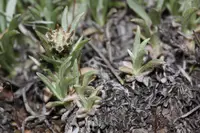
Low pussytoes (Antennaria dimorpha) is a compact, mat-forming perennial wildflower often used as a groundcover in dry, open landscapes. It stays very low to the ground and forms dense, silvery-green patches with tiny, fuzzy leaves and small, woolly flower heads that resemble a cat’s paw.

This species is native to dry, rocky sites and open slopes in western North America, so it is naturally adapted to wind, sun, and low fertility soils. Its drought tolerance and slow, tidy growth habit make it relatively simple to care for Low pussytoes in suitable climates. It prefers full sun, sharply drained soil, and infrequent but deep watering once established.

Main Plant Requirements

Care Difficulty

Easy Care

Light Preference

Full Sun

Water Requirements

Low Water

Temperature Preference

Cold Hardy

Hardiness Zone

3–8

Soil Texture

Sandy, Loamy, Rocky

Soil pH

Slightly acidic (6.5–7.0), Neutral (7.0)

Soil Drainage

Well-drained

Fertilization

Minimal (feed rarely)

Get Personalized Care Plan

Scan your plant to receive care tips personalized for your specific plant

Available on iOS and Android

How to Care for the Low pussytoes

This alpine perennial thrives in bright, open conditions that mimic sunny, rocky slopes.

  • Provide 6–8 hours of direct sun daily; in very hot regions, give Low pussytoes light afternoon shade to reduce stress.
  • Site plants in exposed positions rather than under dense shrubs or trees, as too much shade leads to weak, stretched growth and sparse flowering.
  • In winter, full sun is helpful, but in summer, especially in zones with intense afternoon sun, filtered light after 2–3 p.m. prevents foliage scorch.

This species prefers dry, fast-draining conditions and is vulnerable to excess moisture.

  • Allow soil to dry at least in the top 5–8 cm before watering; in many outdoor sites, rainfall alone is enough once plants are established.
  • Use sharply drained, sandy or gravelly soil so water does not pool around the crown; standing moisture greatly increases root-rot risk in Antennaria dimorpha.
  • Watch foliage for cues: gray leaves remaining firm indicate adequate moisture, while limp or shriveled rosettes suggest prolonged drought beyond its usual tolerance.

This cold-hardy groundcover is adapted to wide temperature swings typical of exposed alpine and steppe habitats.

  • Active growth is best at 55–75°F (13–24°C), though established plants continue to perform in slightly cooler or warmer conditions.
  • Dormant clumps tolerate winter lows to about -20°F (-29°C) or lower with snow cover, showing strong frost and freeze resistance.
  • Summer heat up to 90–95°F (32–35°C) is usually tolerated if soil is very well drained and air circulation is good, but prolonged hotter periods may slow growth and shorten flowering.

This alpine species tolerates very dry air and rarely needs humidity adjustment indoors or outdoors.

  • Target 30–50% humidity, similar to a typical heated home or dry outdoor climate.
  • Dry leaf tips, stalled growth, or leaf drop usually relate to watering or light, not low humidity.
  • If indoor air drops below 25%, a nearby shallow pebble tray with water can gently raise local humidity without wetting foliage.

Antennaria dimorpha prefers very lean, mineral, fast-draining soil that mimics rocky alpine habitats.

  • Use a gritty mix such as 50–70% coarse sand or fine gravel blended with low-organic potting soil.
  • Aim for sharply draining structure where water passes through within seconds, preventing root rot.
  • Keep pH slightly acidic to neutral, around 6.0–7.2, which suits most garden soils and rock garden mixes.
  • Avoid heavy clay, peat-heavy, or constantly damp substrates by adding extra sand or small gravel to improve aeration.

This species can be grown in containers, especially shallow, well-drained troughs or pots for rock garden displays.

  • Choose a shallow, wide container that matches its mat-forming habit so roots spread laterally rather than deeply.
  • Select unglazed clay or concrete troughs to help excess moisture evaporate quickly in wet climates.
  • Raise the pot slightly on feet or bricks so drainage holes stay clear and water cannot pool under the container.

Antennaria dimorpha is adapted to poor soils and usually needs little or no fertilizer, especially in the ground.

Pruning needs for Antennaria dimorpha are minimal and mostly cosmetic.

  • In late winter or early spring, trim away dead or winter-burned foliage with small, sharp scissors or hand pruners.
  • After flowering, lightly shear spent flower stems to keep the mat compact and encourage fresh basal growth.
  • Remove any damaged or overly crowded rosettes to maintain airflow and reduce moisture buildup in the crown.

Transplanting Low pussytoes is mainly done to adjust spacing or move established mats in the landscape.

  • Plan moves for early spring or early fall when temperatures are mild and soil moisture is stable.
  • Lift sections with a hand trowel, keeping a shallow but continuous root mat intact to limit stress.
  • Replant at the same soil depth in sharply drained, gritty soil, and water once to settle roots, then allow to dry slightly.
  • Container plants that show circling roots or stalled growth can be shifted just 1 pot size up every 2–3 years.

Antennaria dimorpha is commonly propagated to extend groundcover patches or start new plantings.

  • Division in early spring or early fall is the most reliable method; lift and gently tear or cut mats into small sections with roots attached.
  • Replant divisions into well-drained, sandy soil and water lightly until established, avoiding waterlogged conditions.
  • Seeds can be sown on the surface of a gritty mix in spring; provide bright light, good air movement, and keep just barely moist.
  • Soft, non-flowering shoots may root in a tray of sandy mix under bright, indirect light if kept slightly moist but not wet.

This species is cold hardy in most temperate climates and usually needs little dedicated winter care.

  • Established in-ground plants tolerate frost and snow, especially in well-drained, sandy or gravelly soils.
  • In very wet winter climates, improve drainage or plant on a slight mound to limit crown rot risk.
  • Container-grown plants are more exposed; move pots to a sheltered, unheated spot to reduce freeze–thaw stress on roots.

Care Tips

Rock-mulch layering

Use a thin layer of gravel or small rocks instead of organic mulch around the crown to keep stems dry, reduce rot risk, and mimic the plant’s natural alpine habitat.

Encouraging tight mats

Pinch back or lightly trim longer, wandering shoots after flowering to encourage denser carpeting growth and prevent the center of the clump from thinning out.

Controlled division timing

Divide and replant only small edge sections of the mat in early spring, keeping divisions shallow and in the same soil depth to expand the patch without stressing the mother plant.

Winter drainage check

Before winter, make sure the planting area sheds water quickly and, if needed, slightly mound the soil so meltwater runs off rather than pooling around the crown.

Minimal-compaction access

Install stepping stones beside established patches so foot traffic does not compact the surrounding soil, which helps roots stay aerated when caring for Low pussytoes.

Common Pests and Diseases

Aphids

These insects occasionally colonize young flower stalks and undersides of new leaves, feeding on sap and causing slight distortion or sticky honeydew. This pest is more common when nearby vegetation is lush or when plants are oversheltered and overwatered compared with their natural dry habitat.

Solution

Rinse colonies off with a firm stream of water and repeat every few days as needed, or spot-treat dense clusters with insecticidal soap, ensuring good coverage of stems and leaf undersides. Reduce nearby lush, overfertilized growth, keep the clump in an open, sunny, dry position, and encourage natural predators such as lady beetles by avoiding broad-spectrum insecticides nearby.

Spider mites

These insects favor hot, dry, wind-sheltered spots and can cause fine stippling, a dull or bronzed look to the foliage, and delicate webbing between leaves. This pest is more likely when air movement is low and plants experience heat stress without occasional overhead rinsing from rain or irrigation.

Solution

Spray foliage with a strong jet of water to break up webs and dislodge mites, repeating several times over 1–2 weeks, and increase air movement around the planting. In persistent cases, use insecticidal soap or a horticultural oil labeled for mites in the early morning or late afternoon, coating both sides of the leaves but avoiding treatment during extreme heat.

Powdery mildew

This disease may appear as white, powdery patches on leaves and stems when plants grow in shade or in locations with cool nights and humid, stagnant air. Symptoms include reduced vigor and premature leaf aging if the infection is heavy and long lasting.

Solution

Improve sun exposure and airflow by thinning surrounding vegetation and spacing plants so air can move freely across the mat. Remove and discard heavily affected leaves, water at soil level rather than overhead, and if needed apply a sulfur or potassium bicarbonate product labeled for powdery mildew, following label directions and avoiding applications during very high temperatures.

Leaf spot

This disease causes small tan, brown, or dark spots on older leaves, sometimes merging into irregular blotches that make the mat look patchy. Symptoms include leaves yellowing and drying early, especially in plantings that stay damp or receive frequent overhead irrigation.

Solution

Remove and discard affected foliage to reduce inoculum, and shift watering to infrequent, deep soakings that keep the leaf surface mostly dry, especially in the evening. Improve drainage and airflow, avoid high-nitrogen fertilization, and in severe or recurrent cases use a copper or chlorothalonil-based fungicide labeled for foliar leaf spots, targeting the foliage early in disease development.

Interesting Facts

Dioecious flower heads

This species is dioecious, meaning individual plants are either male or female, with separate staminate and pistillate flower heads that rely on wind pollination in open, arid habitats.

Extreme dryland specialist

It is native to very dry, high-elevation sites in western North America, thriving on sandy or rocky soils where many other perennials cannot persist.

Dense woolly foliage

Its tiny leaves and stems are densely covered with white woolly hairs that reflect sunlight, reduce water loss, and help the plant survive intense sun and low humidity.

Botan icon

Did you know?

This species often forms low, mat-like colonies that stabilize fragile sandy or gravelly soils, contributing to early-stage plant community development in harsh, sparsely vegetated alpine and desert-steppe environments.

FAQs about Low pussytoes

This species spreads slowly by short stolons, forming tight, low mats rather than running aggressively. It is generally considered well behaved and suitable for rock gardens, path edges, and small spaces without becoming invasive.

Grow Healthy Plants with Botan Care

Keep your plants happy and healthy with plant identification, disease detection, and easy care guidance.

Botan plant care app — identify plants on mobile

Explore More Plants