Anthostema senegalense Care

Anthostema senegalense

About Anthostema senegalense

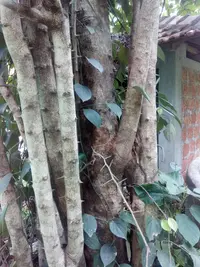
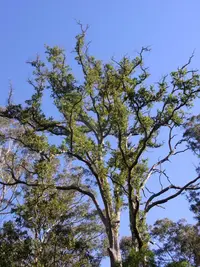
Anthostema senegalense is a small tropical tree or shrub from West and Central Africa, typically found in moist lowland forests and along river edges. It forms a woody framework with simple green leaves and an upright, often sparsely branched habit.

In its native habitat it grows in warm, humid conditions and favors consistently moist, well-drained soils. It is not commonly grown as a houseplant, and how to care for Anthostema senegalense in cultivation is still not well documented, so it is better suited to experienced growers and botanical collections.

The species can be sensitive to cold, drought, and poor drainage, which makes it more demanding than many common ornamental plants.

Main Plant Requirements

Care Difficulty

Moderate Care

Light Preference

Partial Shade

Water Requirements

Moderate Water

Temperature Preference

Tropical / Frost Sensitive

Hardiness Zone

11–12

Soil Texture

Loamy, Sandy, Organic-rich

Soil pH

Acidic (5.5–6.5)

Soil Drainage

Moist but well-drained

Fertilization

Minimal (feed rarely)

Get Personalized Care Plan

Scan your plant to receive care tips personalized for your specific plant

Available on iOS and Android

How to Care for the Anthostema senegalense

This species from West African forests prefers bright, filtered light and protection from harsh midday sun.

  • Provide 4–6 hours of dappled or filtered sun daily, with gentle morning sun and shade or high overstory cover in the afternoon.
  • Tolerates partial shade but growth becomes sparse in very low light; increase exposure slightly if stems stretch or leaves lose color.
  • Avoid intense, unfiltered sun in hot seasons, which can scorch foliage; in dry months, light shade from taller plants helps stabilize light and humidity for Anthostema senegalense.

This shrub favors consistently moist, well-drained soil that never stays waterlogged.

  • Water when the top 3–5 cm of soil feels slightly dry, using deep, slow soaking that moistens the root zone without leaving standing water.
  • In rainy seasons, rely more on natural rainfall and ensure excess water drains away; in dry seasons, increase frequency if leaves start to droop or curl at the edges.
  • Reduce watering if lower leaves yellow and soil stays wet for several days, a common sign of overwatering in Anthostema senegalense on heavy soils.

This tropical species prefers warm, stable temperatures and does poorly in cold or frost.

  • Aim for 70–86°F (21–30°C) for active growth, conditions that match its native lowland forest climate.
  • Avoid temperatures below 59°F (15°C); brief drops toward 50°F (10°C) can slow growth and cause leaf damage, especially in young plants.
  • Protect from frost and cold winds, and during hot spells above 95°F (35°C) provide shade and good soil moisture to prevent heat stress and leaf scorch.

This species prefers moderately humid air and reacts if conditions become too dry.

  • Aim for 50–70% humidity, similar to a warm, moist forest edge environment.
  • Tolerates brief dips to 35–40%, but prolonged dry air causes leaf edge browning and slight curling.
  • Increase humidity with a nearby humidifier, grouped plants, or a wide pebble tray that allows evaporation around the plant.

Anthostema senegalense grows best in deep, slightly acidic, well‑drained but moisture‑retentive soil.

  • Use a loamy mix with 40–50% organic matter such as compost plus mineral components for structure.
  • Aim for pH 5.5–6.5 to support nutrient availability and reduce stress on the root system.
  • Combine compost, coarse sand, and a smaller portion of perlite to improve drainage and aeration without drying out too fast.
  • Avoid compacted, heavy clay or waterlogged sites, which restrict oxygen around roots and promote rot.

This species is generally not ideal for long‑term container growing, especially at mature size.

  • If grown temporarily in a pot, choose a wide, heavy container to counterbalance the woody, potentially top‑heavy growth.
  • Use a deeper pot than usual so the taproot and main roots can extend without circling tightly.
  • Position the container where it cannot tip, such as bracing it against a wall or other stable structure outdoors.

This species is typically nutrient-efficient but benefits from light feeding in cultivation during active growth.

  • Use a balanced NPK fertilizer (around 10-10-10) at 1/2 strength for container-grown Anthostema senegalense during the warm growing season.
  • Apply every 4–6 weeks when growth is active, skipping any application during cool or dormant periods.
  • Organic growers can use a thin layer of well-rotted compost on the soil surface, avoiding direct contact with stems.
  • Always water before and after feeding to reduce root burn and help distribute nutrients evenly through the root zone.

Pruning is usually minimal and mainly corrective for this species in managed landscapes.

  • Carry out light structural pruning at the end of the dry or cool season, before vigorous new growth starts.
  • Remove dead, diseased, crossing, or storm-damaged branches to maintain a stable canopy and safe structure in Anthostema senegalense.
  • Thin crowded inner twigs to improve air flow and light penetration, which supports healthier foliage.
  • Use clean, sharp bypass pruners or a pruning saw, and make cuts just outside the branch collar to promote proper healing.

This tree is usually grown in the ground, with transplanting focused on young nursery stock rather than frequent repotting.

  • Transplant at the beginning of the rainy or warm growing season so roots establish before dry or cold weather.
  • Choose a site with deep, well-drained soil and dig a hole 2–3× wider than the rootball but only as deep.
  • Handle the rootball gently; loosen circling roots on container plants without tearing, and keep roots shaded and moist during the process.
  • Water thoroughly after planting, then maintain even moisture for several weeks to limit transplant shock and support new root growth.

Propagation of this species is usually handled by specialist growers and is not common for home plant owners.

This tropical species lacks frost tolerance and needs protection in regions with cool or freezing winters.

  • In climates below about 50°F, grow Anthostema senegalense in containers that can be moved indoors or to a heated greenhouse for winter.
  • Maintain indoor temperatures above 55–60°F and provide as much light as possible while slightly reducing watering.
  • For established outdoor plants in marginal climates, apply a 5–8 cm organic mulch over the root zone, keeping it away from the trunk.

Care Tips

Wind-firm training

In young plants, lightly prune competing side shoots and keep one dominant leader, staking it for the first 1–2 years in windy sites so the trunk develops a straight, strong structure rather than leaning or twisting.

Buffered planting strip

When planting near paths or buildings, leave a 1–1.5 m grass or mulch buffer around the stem so root flare and buttress roots can expand without being compacted by foot traffic or machinery.

Dry-season mulching

Before the dry season, apply a 5–8 cm ring of coarse organic mulch, keeping it 5–8 cm away from the trunk, to stabilize soil moisture and temperature and reduce stress on the fine feeder roots.

Root competition management

In mixed plantings, avoid dense groundcovers or shrubs within the drip line so the tree’s shallow feeder roots can access water and nutrients without excessive competition from faster-growing species.

Preventing mechanical injury

Protect the lower trunk from string trimmers, livestock rubbing, and repeated impact by using a simple breathable trunk guard, since bark damage on this species can lead to slow dieback and makes caring for Anthostema senegalense more complicated over time.

Common Pests and Diseases

Sap-sucking scale

This pest feeds on stems and young twigs, causing gradual yellowing, reduced vigor, and honeydew deposits that may lead to sooty mold growth.

Solution

Prune and destroy heavily infested twigs, then gently scrub remaining scale with a soft brush and mild soapy water; repeat every 7–10 days until new growth appears clean, as part of general Anthostema senegalense care instructions in farm or garden settings.

Leaf-feeding caterpillars

These insects chew irregular holes in leaves and young shoots, sometimes defoliating small plants or seedlings.

Solution

Hand-pick caterpillars where feasible and remove nearby weeds that host larvae; if damage continues, spot-treat foliage with a targeted biological control such as Bacillus thuringiensis (Bt), applied in the evening to young larvae on the undersides of leaves.

Stem canker

This disease causes sunken, dark lesions on stems and branches, which can girdle affected parts and lead to dieback above the infected area.

Solution

Cut out and dispose of affected stems well below visible lesions, disinfecting pruning tools between cuts, and improve plant spacing and airflow; in humid regions, avoid overhead irrigation and favor morning watering at soil level to keep bark surfaces drier.

Leaf spot

This disease produces small brown to dark-purple spots on foliage that can merge and cause premature leaf drop in wet, shaded conditions.

Solution

Remove and discard affected leaves, keep the area around the plant free of fallen debris, and reduce leaf wetness by watering at soil level; in consistently humid climates, increase sun exposure within the plant’s tolerance and maintain good spacing from neighboring vegetation.

Interesting Facts

Latex‑bearing shrub

This Euphorbiaceae species is a small tree or shrub that produces a white, irritant latex in its tissues, a typical chemical defense against herbivores in its family.

Guinea forest specialist

It is native to West and Central African lowland forests, especially in the Upper Guinea and Congolian regions, where it grows in moist evergreen and semi-deciduous forest habitats.

Seed dispersal by animals

Its small fruits are consumed by forest fauna, which then disperse the seeds, making the plant part of the animal-mediated seed dispersal network that helps maintain tropical forest structure.

FAQs about Anthostema senegalense

This species has a moderate growth rate. Young plants establish slowly while roots develop, then extend more steadily each year. Growth rate depends strongly on warmth, rainfall, and soil fertility, so nutrient-poor or dry sites keep it relatively slow.

Grow Healthy Plants with Botan Care

Keep your plants happy and healthy with plant identification, disease detection, and easy care guidance.

Botan plant care app — identify plants on mobile

Explore More Plants